
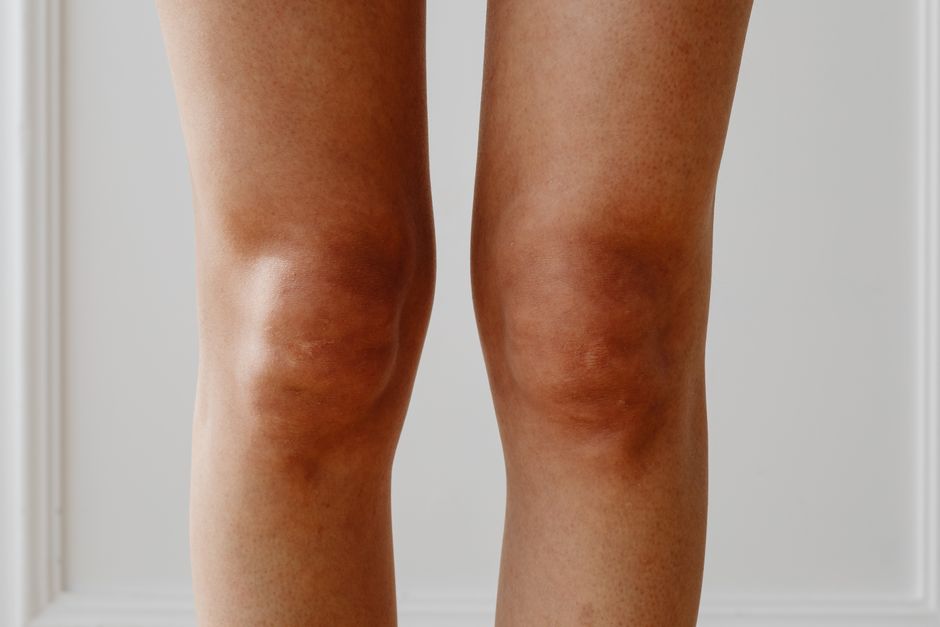
A rash on your legs can be annoying, itchy, and sometimes painful. The causes range from simple dry skin to allergic reactions and chronic conditions like eczema or psoriasis. Identifying the specific type of rash is the first step toward finding the right treatment and knowing when to see a doctor.
What Causes Rashes On Legs Common Skin Conditions?
Most leg rashes fall into a few main categories. These include contact dermatitis from irritants, eczema (atopic dermatitis), fungal infections like ringworm, and inflammatory conditions such as psoriasis. Poor circulation can also cause a specific type of rash known as stasis dermatitis. Each condition has distinct features, and accurate identification matters because treatments differ significantly.
For example, a corticosteroid cream that helps eczema can make a fungal infection worse. This is why guessing at a diagnosis is risky. If you are unsure what type of rash you have, a dermatologist can provide a definitive answer.
What Does Contact Dermatitis Look Like on the Legs?
Contact dermatitis happens when your skin touches something that irritates it or triggers an allergic reaction. On the legs, common culprits include new laundry detergents, fabric softeners, dyes in clothing, and plants like poison ivy. Nickel in belt buckles or metal snaps on jeans can also cause a reaction.
The rash typically appears as red, itchy, and sometimes swollen skin. In more severe cases, small blisters may form. The rash is usually limited to the area that touched the irritant. If you recently changed soaps, lotions, or detergents, that is a strong clue.
Treatment involves removing the irritant and applying a gentle moisturizer. Over-the-counter hydrocortisone cream can reduce itching for mild cases. If the rash is severe, blistering, or spreading, medical care is needed.
Why Does Eczema Appear on the Lower Legs?
Eczema, also called atopic dermatitis, is a chronic inflammatory skin condition. It often runs in families and is linked to asthma and allergies. On the legs, eczema commonly appears behind the knees but can affect any area. The skin becomes dry, red, intensely itchy, and may crack or flake.
The exact cause is not fully understood, but it involves a weakened skin barrier and an overactive immune response. Triggers include stress, sweat, harsh soaps, and dry weather. Scratching creates a cycle where the skin thickens and becomes more irritated.
Management focuses on restoring the skin barrier. Daily moisturizing with a thick cream or ointment is the foundation. Prescription treatments, including topical steroids and newer non-steroidal creams, can control flare-ups. The National Eczema Association provides patient education resources, but your dermatologist should guide your specific treatment plan.





Is It a Fungal Infection Like Ringworm?
Ringworm, despite its name, is not caused by a worm. It is a fungal infection of the skin. On the legs, it often appears as a red, scaly, ring-shaped patch with a clearer center. It is itchy and can spread to other body parts through direct contact.
Fungi thrive in warm, moist environments. Tight clothing, excessive sweating, and shared towels or gym equipment increase your risk. The infection is contagious, so avoid sharing personal items until it clears.
Over-the-counter antifungal creams, such as clotrimazole or terbinafine, are usually effective. Treatment typically lasts two to four weeks. If the rash does not improve, a doctor can prescribe a stronger topical or oral antifungal. Stopping treatment early often leads to a return of the infection.
How Does Psoriasis Present on the Legs?
Psoriasis is an autoimmune condition that speeds up skin cell turnover. On the legs, it typically appears as thick, silvery scales over red patches. The knees are a common site. Unlike eczema, psoriasis plaques are often well-defined and less weepy.
The cause involves the immune system mistakenly attacking healthy skin cells. Genetics play a significant role. Triggers include stress, skin injuries, infections, and certain medications. Psoriasis is not contagious.
Treatment depends on severity. Mild cases may respond to topical corticosteroids or vitamin D analogs. Moderate to severe psoriasis may require phototherapy or systemic medications. Because psoriasis is linked to joint inflammation and cardiovascular risk, a doctor should monitor your overall health.
What Is Stasis Dermatitis and Who Gets It?
Stasis dermatitis occurs when poor circulation in the legs causes fluid to pool. It usually affects older adults and people with chronic venous insufficiency. The condition starts with swelling in the lower legs and ankles, especially after standing for long periods.
The skin becomes discolored, often reddish-brown, and may feel tight or shiny. Itching and scaling follow. Over time, the skin can harden and become prone to ulcers. This is a circulation problem, not a simple skin issue.
Management focuses on improving blood flow. Compression stockings are the mainstay of treatment. Elevating the legs above heart level several times a day also helps. Without proper management, stasis dermatitis can progress to open sores that are difficult to heal.
When Should You See a Doctor for a Leg Rash?
Most rashes are not emergencies, but some signs warrant prompt medical attention. See a doctor if the rash is accompanied by fever, spreads rapidly, or shows signs of infection like warmth, pus, or increasing pain. A rash that does not improve after two weeks of self-care also needs evaluation.
Sudden, severe swelling with a rash could indicate a serious allergic reaction or a blood clot. If you have diabetes or a weakened immune system, skin infections can become dangerous quickly. Trust your judgment. If a rash looks concerning or feels wrong, get it checked.
A dermatologist can perform a skin scraping or biopsy to confirm a diagnosis. This is especially important when the rash does not respond to initial treatment. Accurate diagnosis prevents wasted time on ineffective treatments and reduces the risk of complications.
How Can You Prevent Leg Rashes?
Prevention depends on the cause, but some general habits help. Keep your skin moisturized to maintain the barrier. Use fragrance-free products if you have sensitive skin. Wear breathable fabrics like cotton, especially in warm weather.
Avoid known triggers. If you have eczema, identify and avoid your personal triggers. If you get contact dermatitis, read product labels carefully. For fungal infections, keep your skin dry and wear sandals in communal showers.
For circulation-related rashes, regular movement and leg elevation make a difference. Maintaining a healthy weight reduces pressure on leg veins. These habits do not guarantee you will never get a rash, but they lower your risk.
Frequently Asked Questions
Can dry skin alone cause a rash on my legs?
Yes, severely dry skin can cause redness, flaking, and itching that looks like a rash. This is called xerosis and is more common in winter or with frequent hot showers.
Is a leg rash always a sign of an allergy?
No, many leg rashes have non-allergic causes. Fungal infections, psoriasis, and circulation problems do not involve allergies.
How long does it take for a contact dermatitis rash to heal?
Once you remove the irritant, most contact dermatitis rashes improve within one to three weeks. Severe reactions may take longer and benefit from medical treatment.
Can stress cause a rash on my legs?
Stress does not directly cause a rash, but it can trigger or worsen conditions like eczema and psoriasis. Stress management may help reduce flare-ups.
