
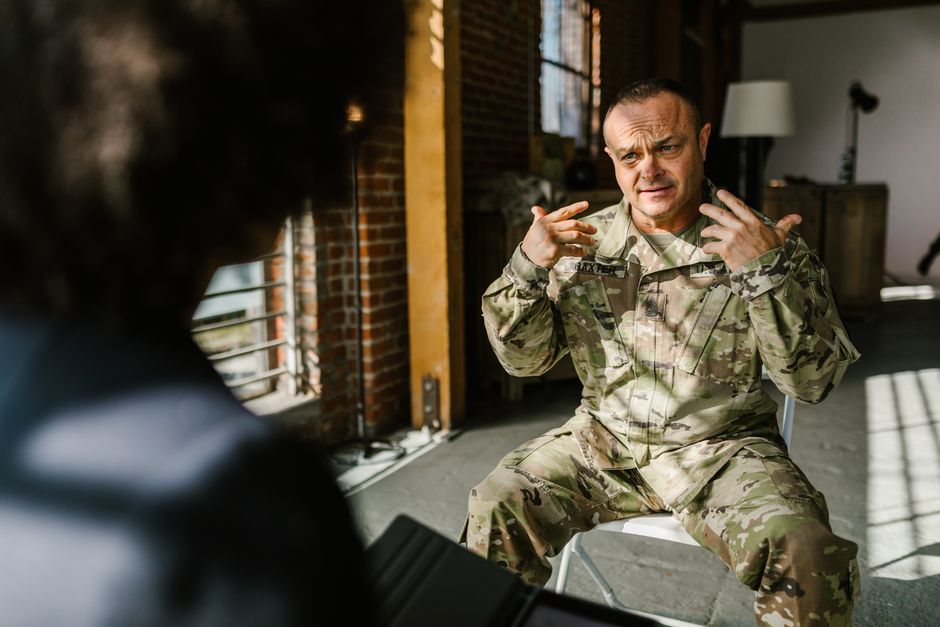
Post-traumatic stress disorder in veterans is not a sign of weakness. It is a real, diagnosable condition that develops after exposure to a traumatic event. While many veterans return from service without long-term mental health issues, a significant number develop PTSD. The causes are rooted in the specific nature of military trauma, and the risk varies from person to person based on biology, history, and the type of experiences they endured.
What Causes PTSD In Veterans And Why Some Are At Risk?
PTSD develops when the brain’s fear response system gets stuck in an “on” position. Normally, after a threat passes, the body returns to a calm state. In PTSD, the brain keeps reacting as if the danger is still present. This happens because the traumatic event overwhelms the brain’s normal processing systems.
For veterans, the trauma is often more severe and more repeated than what civilians typically face. Combat exposure is the most obvious cause. But military service involves other traumatic experiences too. These include training accidents, sexual assault, witnessing death, handling human remains, and surviving near-miss events like roadside bombs or ambushes.
What Military Experiences Most Commonly Trigger PTSD?
Combat is the leading cause of PTSD in veterans. Direct firefights, artillery attacks, and being on patrol in hostile territory all count. The constant hypervigilance required in a war zone wears on the nervous system. When a soldier must stay alert for months at a time, the brain’s alarm system never fully powers down.
Moral injury is another significant trigger. This happens when a service member does something or fails to stop something that violates their own moral code. Killing an enemy combatant, even when justified, can cause lasting guilt. So can failing to save a fellow soldier. Moral injury is not the same as PTSD, but the two often overlap. Research shows that moral injury can produce PTSD symptoms even without direct physical danger.
Military sexual trauma is a specific and serious cause. The Department of Veterans Affairs reports that about 1 in 4 women and 1 in 100 men report experiencing military sexual trauma during their service. These experiences can involve assault, harassment, or any unwanted sexual contact. The betrayal involved — being harmed by someone who should be a teammate — makes this form of trauma especially damaging.
Non-combat roles carry risk too. Medical personnel who treat severe battlefield wounds may develop PTSD from what they witness. Mortuary affairs soldiers who handle remains are at high risk. Even training accidents, such as helicopter crashes or live-fire exercises gone wrong, can trigger the condition.
Why Do Some Veterans Develop PTSD And Others Do Not?
Two veterans can experience the exact same combat event. One develops PTSD. The other does not. This difference comes down to several interacting factors.
Genetics play a meaningful role. Some people inherit a more reactive amygdala, the brain region that processes fear. Others have a more efficient prefrontal cortex, which helps calm the amygdala after a threat passes. Twin studies have shown that identical twins — who share all their genes — are more likely to both develop PTSD after trauma than fraternal twins who share only half their genes.
Childhood history matters. Veterans who experienced abuse, neglect, or other trauma before joining the military are more likely to develop PTSD after deployment. Early adversity shapes how the developing brain handles stress. It can make the fear response system more sensitive for life.
Prior mental health conditions increase vulnerability. Veterans with a history of depression, anxiety, or previous PTSD are at higher risk. So are those with a family history of mental illness. These conditions may share underlying genetic and neurobiological roots with PTSD.
The intensity and duration of trauma matters. A single brief firefight carries less risk than months of continuous combat. Multiple deployments increase risk further. Each traumatic exposure adds to the cumulative load on the stress system.
Social support after trauma is protective. Veterans who return to strong family and community connections recover better. Those who feel isolated, misunderstood, or judged after deployment face higher risk. This is one reason why unit cohesion during service and family support after service both matter so much.





What Are The Symptoms Of PTSD In Veterans?
PTSD symptoms fall into four main categories. Not every veteran experiences all of them, and severity varies widely.
Re-experiencing involves flashbacks, nightmares, and intrusive memories. A veteran might feel like they are back in combat when they hear a car backfire. Nightmares can be so vivid that the person wakes up sweating and disoriented.
Avoidance means staying away from anything that reminds the person of the trauma. A veteran might avoid crowds, refuse to watch war movies, or steer clear of places that resemble the deployment zone. Avoidance can also be emotional — pushing away feelings or numbing out entirely.
Hyperarousal keeps the body in a state of high alert. Veterans with PTSD often have trouble sleeping, startle easily, and feel constantly on edge. They may have difficulty concentrating or become irritable and angry without clear triggers.
Negative changes in thinking and mood can include feeling detached from loved ones, losing interest in activities once enjoyed, and holding negative beliefs about oneself or the world. A veteran might believe they are permanently damaged or that other people cannot be trusted.
These symptoms must last more than one month and cause significant distress or impairment to meet the diagnostic criteria. Symptoms that resolve within a month are classified as acute stress disorder, not PTSD.
How Is PTSD Diagnosed In Veterans?
Diagnosis requires a clinical evaluation by a qualified professional. The VA uses a structured interview called the Clinician-Administered PTSD Scale, or CAPS. This is considered the gold standard for diagnosis. Self-report questionnaires like the PTSD Checklist are used for screening, but they cannot diagnose the condition alone.
A proper evaluation rules out other conditions that can mimic PTSD. Traumatic brain injury from blast exposure produces overlapping symptoms including memory problems, irritability, and sleep disturbance. Depression, anxiety disorders, and substance use disorders also commonly co-occur with PTSD. A thorough assessment sorts out which condition is driving which symptoms.
Many veterans do not seek help because they fear it will affect their career or how others see them. This is understandable but harmful. PTSD is treatable, and early intervention produces better outcomes.
What Treatments Work For Veterans With PTSD?
Several treatments have strong evidence behind them. Trauma-focused psychotherapies are the first-line approach. These include Prolonged Exposure therapy, Cognitive Processing Therapy, and Eye Movement Desensitization and Reprocessing.
Prolonged Exposure helps veterans gradually approach trauma-related memories and situations they have been avoiding. Over time, the brain learns that these reminders are not dangerous. Cognitive Processing Therapy helps veterans examine and change unhelpful beliefs that developed after trauma, such as self-blame or the belief that the world is completely unsafe.
Medications can also help. The FDA has approved sertraline and paroxetine, both SSRIs, for PTSD. Venlafaxine, an SNRI, is also commonly prescribed. These medications do not erase the trauma, but they can reduce symptom severity enough that therapy becomes more effective.
The evidence for some alternative treatments is weaker. Service dogs, acupuncture, and yoga are widely used and many veterans report benefit. But large controlled trials have not confirmed their effectiveness to the same standard as trauma-focused therapy. That does not mean they are useless. It means the evidence base is still developing.
Can PTSD Be Prevented In Veterans?
Prevention is complicated because the trauma happens before the condition develops. But some strategies show promise.
Pre-deployment resilience training helps service members build coping skills before they face combat. Unit cohesion and strong leadership during deployment provide protective social support. Post-deployment screening identifies veterans who are struggling early, before symptoms become entrenched.
One of the most important protective factors is how a veteran is received when they come home. A supportive family, understanding friends, and a community that acknowledges their service without judgment all reduce the risk of PTSD becoming chronic. Veterans who feel their sacrifices are understood and valued tend to fare better than those who feel forgotten or stigmatized.
Frequently Asked Questions
How common is PTSD in veterans compared to civilians?
PTSD is significantly more common in veterans than in the general population. Lifetime prevalence estimates for veterans range from about 7 to 29 percent, compared to roughly 6 to 8 percent in civilians.
Can PTSD develop years after leaving the military?
Yes, PTSD can emerge months or even years after discharge. Symptoms may not appear until a later life stressor — such as a divorce, job loss, or health problem — overwhelms the veteran’s coping capacity.
Is PTSD a permanent condition for veterans?
No, PTSD is treatable and many veterans recover substantially with proper care. Some may continue to have symptoms, but trauma-focused therapy and medication help most veterans regain meaningful functioning.
Does every veteran who sees combat develop PTSD?
No, most veterans who experience combat do not develop PTSD. Risk depends on a combination of genetics, childhood history, trauma intensity, and post-deployment support.
