
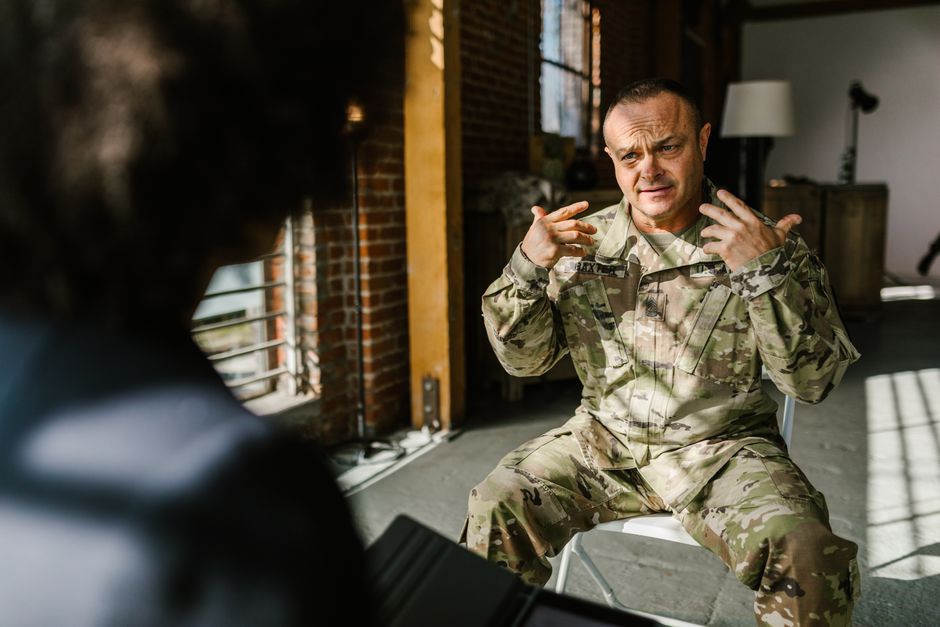
Post-traumatic stress disorder develops when the brain’s threat system gets stuck in the “on” position after a terrifying event. It is not a sign of weakness, and it is not something a person can simply decide to get over. The cause is a combination of what happened, how the brain and body responded at the time, and a range of biological and life factors that shape how resilient or vulnerable a person is to lasting stress reactions.
Two people can live through the same event and only one develops PTSD. That difference is the central question researchers have been trying to answer for decades. The short version: trauma is necessary but not sufficient. Genetics, prior life experiences, the type and duration of the trauma, and the support available afterward all shift the odds.
What Actually Causes PTSD?
PTSD requires exposure to a traumatic event — something involving actual or threatened death, serious injury, or sexual violence. That exposure can be direct, witnessed, or in some cases repeated indirect exposure through work, such as for first responders.
But the event itself is only the trigger. What follows is a cascade of biological events that, in some people, fails to resolve.
When a person faces overwhelming threat, the body releases stress hormones including cortisol and adrenaline. Heart rate spikes. Attention narrows. The hippocampus — the brain region involved in forming and storing memories — and the amygdala, which processes threat, both become highly activated. In most people, this system returns to baseline over days and weeks. In people who develop PTSD, something keeps the alarm system sensitized.
Research using brain imaging has found differences in how the amygdala, hippocampus, and prefrontal cortex communicate in people with PTSD. The prefrontal cortex, which helps put the brakes on fear responses, appears less able to dampen amygdala activity. This is a real, measurable pattern. What researchers still debate is whether these differences are caused by the trauma, existed beforehand, or both.
That question matters. Some evidence suggests certain brain and hormonal patterns may be present before trauma exposure in people who later develop PTSD. Other evidence points to trauma itself reshaping these circuits. Most likely, both are true — pre-existing vulnerability plus trauma-driven changes.
Why Do Some People Develop PTSD and Others Don’t?
No single factor determines who gets PTSD. Risk is cumulative — the more risk factors present, the higher the likelihood.
Several factors consistently show up in research as increasing risk:
- Trauma severity and duration. Longer, more intense, or repeated trauma raises risk. Intentional harm by another person, such as assault, tends to carry higher risk than accidents or natural disasters.
- Prior trauma. People who experienced abuse or other trauma in childhood are more vulnerable to PTSD from later events.
- Lack of social support. Isolation after a traumatic event is one of the more consistent predictors of developing PTSD.
- Additional life stress. Ongoing financial, relationship, or health problems after the event can interfere with recovery.
- Personal or family history of mental illness. Anxiety, depression, or PTSD in close relatives is associated with higher risk.
- Biological sex. Women are diagnosed with PTSD at roughly twice the rate of men. Researchers debate how much this reflects true biological difference versus differences in the types of trauma men and women typically experience and how likely they are to seek help.
Protective factors matter just as much. Strong social connections, a sense of control over one’s life, and the ability to make meaning of what happened are all associated with lower risk. So is early access to support — not necessarily formal therapy, but people who listen and help.
What Happens in the Brain During PTSD?
PTSD is not a memory problem in the ordinary sense. It is a problem with how a specific memory is stored and retrieved.
Normally, memories get filed away as past events. In PTSD, the traumatic memory stays vivid, fragmented, and easily triggered. A sound, a smell, or a physical sensation can bring the body back into the original threat response as if it were happening now.
Three brain regions are central to this process:
- Amygdala. Acts as the threat detector. In PTSD, it appears hyperreactive.
- Hippocampus. Handles context and memory. Research suggests its function may be altered, which could explain why the brain struggles to tag the trauma as “over.”
- Prefrontal cortex. Responsible for reasoning and impulse control. It appears less effective at calming the amygdala in people with PTSD.
This is why PTSD symptoms feel physical, not just emotional. The body genuinely responds as though danger is present. That is also why treatments targeting the body’s stress response — not just talking about the event — can help.





Does Everyone Who Experiences Trauma Get PTSD?
No. Most people who experience a traumatic event do not develop PTSD.
Estimates vary by trauma type and population, but across studies a substantial majority of trauma survivors recover without lasting symptoms. Symptoms in the first days and weeks after trauma are common and often normal. The diagnosis of PTSD is generally not made until symptoms have persisted for more than a month and are causing significant distress or impairment.
This distinction matters. Feeling shaken, having trouble sleeping, or replaying the event in your mind right after it happens is not the same as PTSD. For many people these reactions fade. For others they don’t, and that is when assessment and treatment become important.
Can PTSD Be Prevented?
There is no reliable way to prevent PTSD after trauma. Some interventions have shown promise, but the evidence is not strong enough to say any single approach prevents the disorder in everyone.
What research does support is that early practical and social support helps. Feeling safe, staying connected to others, and having basic needs met in the aftermath of trauma are consistently linked to better outcomes. Some clinicians use brief early interventions for people at high risk, but this is an area where practice varies and evidence is still developing.
One thing that has not held up: routine psychological debriefing — a single session where survivors are pushed to recount the event in detail — has not been shown to prevent PTSD and may in some cases make things worse. This is worth knowing because it is still offered in some settings.
What Makes Someone More Vulnerable After the Same Event?
Two people in the same car accident can have very different outcomes. The difference often comes down to what each person brings to the event and what happens afterward.
Someone with a history of childhood adversity, a tendency toward anxiety, limited social support, and ongoing financial stress is starting from a different place than someone without those burdens. That is not blame. It is biology and circumstance interacting.
Age also plays a role. Children and older adults may be more vulnerable for different reasons. Children may lack the language and coping tools to process what happened. Older adults may have fewer social connections or existing health conditions that complicate recovery.
One non-obvious point: how the body responded during the event itself may offer clues. Elevated heart rate in the immediate aftermath of trauma has been studied as a possible predictor of later PTSD, though it is not used as a standalone diagnostic tool. The body’s reaction and the mind’s reaction are not separate things.
When Should Someone Seek Help?
Anyone experiencing symptoms that last more than a month, interfere with daily life, or feel unmanageable should consider talking to a healthcare provider. This is not a high bar — it is a reasonable one.
Signs that warrant attention include:
- Repeated, unwanted memories or nightmares about the event
- Avoiding places, people, or situations that bring it back
- Feeling constantly on edge, easily startled, or unable to relax
- Negative beliefs about yourself or the world that won’t shift
- Feeling detached from people you care about
Effective treatments exist. Trauma-focused psychotherapy, particularly cognitive processing therapy and prolonged exposure therapy, has strong evidence behind it. Certain medications, including some antidepressants, have also been shown to reduce symptoms. Treatment does not erase what happened. It helps the brain and body stop responding as if the danger is still present.
Frequently Asked Questions
Is PTSD caused by a chemical imbalance?
PTSD is not explained by a simple chemical imbalance. It involves changes in how stress hormones, brain circuits, and memory systems interact after trauma.
Can you get PTSD from something that wasn’t life-threatening?
The diagnosis requires exposure to actual or threatened death, serious injury, or sexual violence. Events that feel overwhelming but don’t meet that threshold can still cause significant distress, though they may not meet criteria for PTSD.
Why do women get PTSD more often than men?
Women are diagnosed with PTSD about twice as often as men. Researchers believe this reflects a mix of differences in trauma types, reporting patterns, and possibly biological factors.
Does everyone who goes through trauma need therapy?
No. Most people recover without formal treatment. Therapy is recommended when symptoms persist beyond a month or interfere with daily functioning.
