
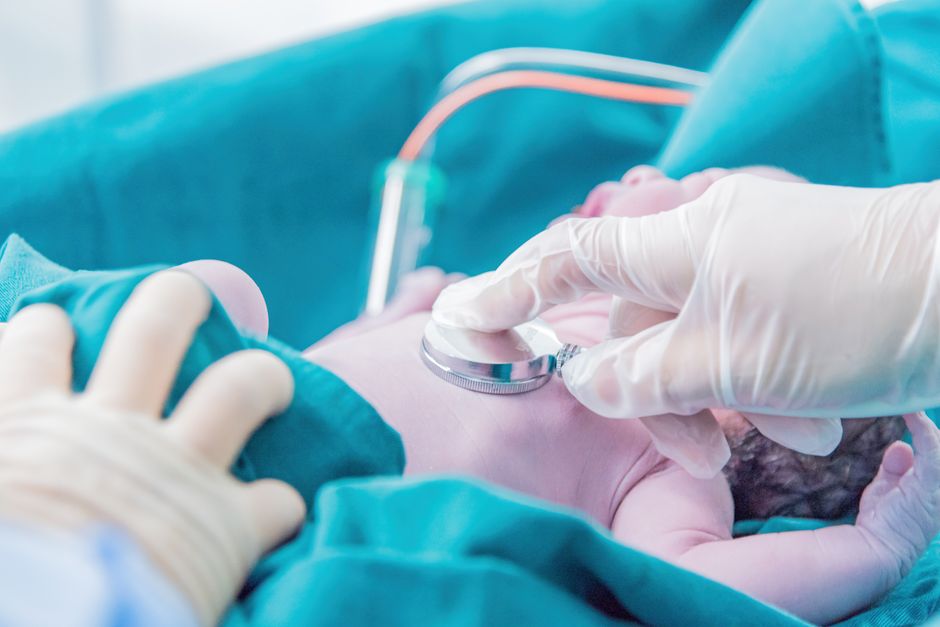
Premature birth is when a baby is born before 37 weeks of pregnancy. It happens because labor starts too early, or because a medical problem makes delivery safer than waiting. In most cases, no single cause is found. Instead, several risk factors combine, and the final trigger often stays unknown.
Doctors call it preterm birth. About 1 in 10 babies in the United States is born preterm, according to the Centers for Disease Control and Prevention. That makes it one of the most common pregnancy complications. It is also one of the leading causes of infant death and long-term disability.
Understanding what causes premature birth helps you ask better questions and recognize warning signs. It does not let anyone predict who will deliver early. Most women who go into preterm labor have no obvious risk factors at all.
What Causes Premature Birth?
Premature birth is not one disease. It is the shared outcome of many different problems, and in roughly half of cases the cause is never identified.
The most common pathway is infection or inflammation. Bacteria can move up from the vagina into the uterus. The immune system responds, and that response can trigger contractions and cervical changes. This is why urinary tract infections and certain vaginal infections are linked to preterm labor.
Other causes fall into a few broad groups:
- Stretching of the uterus. Twins, triplets, or too much amniotic fluid overstretch the uterus and can start labor early.
- Bleeding between the placenta and the uterus. This can trigger contractions.
- Problems with the cervix. A short or weak cervix may open before the baby is ready.
- Medical conditions in the mother. These include high blood pressure, diabetes, and infections.
- Placental problems. When the placenta does not work well, the baby may need to be delivered early.
Sometimes labor starts on its own. Other times a doctor induces labor or performs a C-section because staying pregnant is more dangerous than delivering. Both are called preterm birth, but the reasons differ.
Why Does the Body Start Labor Too Early?
Normal labor begins when a series of signals switch on in the uterus. In preterm labor, part of that switch flips early. Scientists have mapped much of this process, but not all of it.
One key signal is inflammation. When the body detects infection or tissue damage, immune cells release compounds that soften the cervix and make the uterus contract. This is a normal response that has gone off at the wrong time.
A second signal involves hormones. Progesterone helps keep the uterus relaxed during pregnancy. If progesterone signaling drops or is blocked, the uterus can become active too soon.
A third involves physical stretch. When the uterus is stretched beyond a certain point, it releases proteins that promote contractions. This is one reason multiples are more likely to arrive early.
A fourth involves the cervix itself. The cervix must stay firm and closed for months, then soften and open at the right time. If it shortens or opens early, the pregnancy is at higher risk.
These pathways overlap. A woman may have more than one at work, which is why pinpointing a single cause is often impossible.
What Risk Factors Raise the Chance?
Risk factors are not causes. They are conditions that make preterm birth more likely. Many women with several risk factors carry to term, and many with none deliver early.
Factors linked to higher risk include:
- A previous preterm birth. This is one of the strongest predictors.
- Being pregnant with twins or more.
- A short cervix, usually found on ultrasound.
- Certain infections, especially of the urinary tract or vagina.
- High blood pressure, preeclampsia, or diabetes.
- Bleeding during pregnancy.
- Smoking, using certain drugs, or heavy alcohol use.
- Being underweight or overweight before pregnancy.
- Short time between pregnancies, often less than 18 months.
- Stress, long working hours, and physical strain.
- Being younger than 17 or older than 35.
- Black race, which reflects systemic inequities in care and environment rather than biology.
That last point deserves care. Preterm birth rates are higher among Black women in the United States. Researchers attribute much of this to chronic stress, unequal access to care, and environmental factors, not to any inherent biological difference.





Can Infections Cause Premature Birth?
Infections are one of the most studied causes of spontaneous preterm birth. They do not explain most cases, but they matter.
Urinary tract infections are a clear example. Bacteria in the bladder or kidneys can spread and cause inflammation. Treating these infections during pregnancy reduces the risk of preterm labor. This is why routine urine testing is part of prenatal care.
Vaginal infections such as bacterial vaginosis have also been linked to preterm birth. The evidence for treating them to prevent early delivery is mixed. Some studies suggest treatment helps, while others do not show a clear benefit. Screening and treatment decisions are best made with a clinician.
Infections of the amniotic fluid and membranes are often found after a preterm birth, but they are hard to detect beforehand. This is one reason the cause of a given preterm birth often stays unknown.
How Do Multiple Pregnancies and Cervical Problems Fit In?
Twins, triplets, and higher-order multiples are born early far more often than singletons. The uterus is stretched beyond what it would normally hold, and that stretch itself can trigger labor. Multiples also raise the risk of preeclampsia and other complications that may require early delivery.
Cervical problems are a separate pathway. A cervix that is shorter than expected on ultrasound is linked to higher preterm birth risk. Some women have a cervix that opens without pain or contractions, a condition called cervical insufficiency. In these cases, treatments such as a cervical cerclage, a stitch to hold the cervix closed, are sometimes used. The evidence supports cerclage in selected women with a history of preterm birth and a short cervix, but not for everyone.
What Are the Warning Signs of Preterm Labor?
Knowing the signs does not prevent preterm birth, but it can lead to faster care. Call your doctor if you notice any of these before 37 weeks:
- Regular contractions or a tightening feeling in the belly
- Low, dull backache that does not go away
- Pressure in the pelvis or a feeling that the baby is pushing down
- Cramps like menstrual cramps
- Fluid leaking from the vagina
- Vaginal bleeding or spotting
- A change in vaginal discharge
These symptoms can also be caused by normal pregnancy changes. That is exactly why you should not try to sort it out alone. A quick check can rule out preterm labor or catch it early.
Can Premature Birth Be Prevented?
Prevention is possible in some cases, but not all. The evidence is strongest for a few specific situations and weaker for others.
Progesterone supplementation is used in some women with a history of preterm birth or a short cervix. Studies suggest it can lower the risk in certain groups, though results vary and it is not effective for everyone. A clinician can explain whether it fits your situation.
Treating urinary tract infections, managing high blood pressure and diabetes, and avoiding smoking all support a healthier pregnancy. These steps lower risk, but they do not guarantee a full-term delivery.
What does not work is worth naming. Bed rest is widely recommended, but the evidence does not show that it prevents preterm birth. In fact, prolonged bed rest carries its own risks, including blood clots and muscle loss. Some clinicians still suggest it, but it is not strongly supported by trials.
If you are at high risk, your care team may suggest more frequent visits, cervical length checks, or referral to a specialist. These steps aim to catch problems early rather than prevent every preterm birth.
What Happens After a Preterm Birth?
Outcomes depend heavily on how early the baby is born. Babies born between 34 and 36 weeks, called late preterm, often need only brief support. Babies born before 28 weeks may need intensive care for weeks or months.
Common challenges for preterm babies include breathing problems, feeding difficulties, jaundice, and temperature control. Some face longer-term issues with development, vision, or hearing. Early intervention services can help, and many preterm children grow up healthy.
The experience is hard on parents too. Support from family, friends, and hospital staff matters. So does honest information from the care team about what to expect.
Frequently Asked Questions
What is the most common cause of premature birth?
There is no single most common cause. Infection, inflammation, uterine stretching, and cervical problems are the main pathways, but in about half of cases no cause is identified.
Can stress cause premature birth?
Some studies suggest that high levels of chronic stress are linked to a higher risk of preterm birth. The relationship is complex and stress alone rarely explains a preterm delivery.
Does bed rest prevent premature birth?
The evidence does not show that bed rest prevents preterm birth. It is still recommended by some clinicians, but it is not supported by strong trial data and carries its own risks.
Can you carry a baby to term after a previous preterm birth?
Yes. Many women who have had one preterm birth go on to deliver at term. A previous preterm birth does raise the risk, so extra monitoring is often recommended.
