
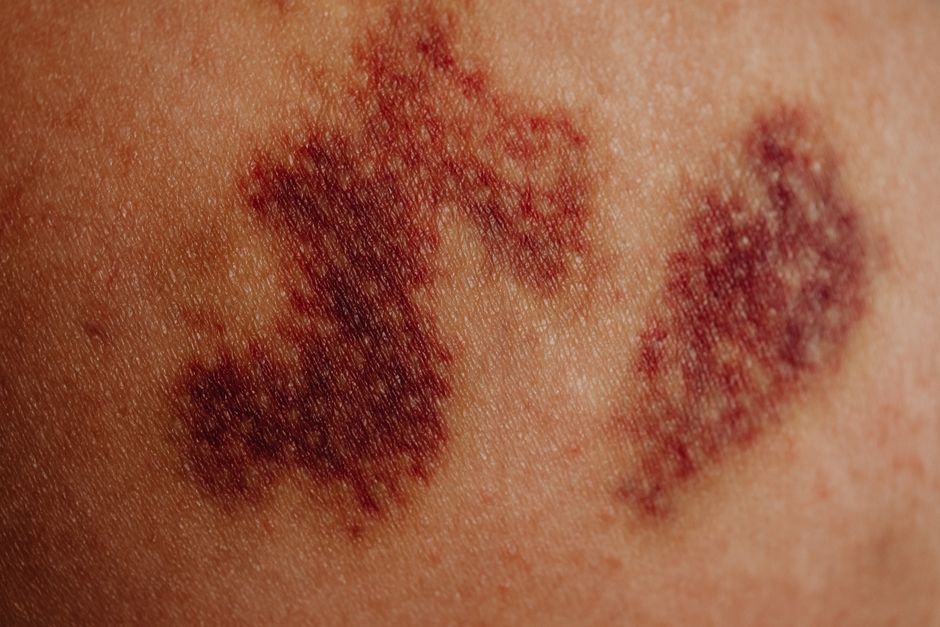
A subconjunctival hemorrhage — the medical name for a popped blood vessel in the eye — looks alarming but is almost always harmless. It happens when a tiny blood vessel breaks just underneath the clear surface of your eye. The blood has nowhere to go, so it spreads out and turns the white of your eye bright red. Most people panic when they see it in the mirror. But the truth is, this condition is rarely a sign of anything serious and usually clears up on its own within one to two weeks.
What Exactly Is a Popped Blood Vessel in the Eye?
A subconjunctival hemorrhage is exactly what it sounds like — a broken blood vessel under the conjunctiva, the clear membrane that covers the white part of your eye. The conjunctiva contains many tiny, fragile blood vessels. When one of them bursts, blood leaks out and gets trapped between the conjunctiva and the sclera (the white part). Because the conjunctiva absorbs the blood slowly, the red spot can look dramatic.
Think of it like a tiny bruise on your eye. The blood is trapped in a thin layer, so it spreads out and looks worse than it actually is. The American Academy of Ophthalmology states that a subconjunctival hemorrhage is usually painless and does not affect your vision. If you feel pain or notice changes in your eyesight, that is a different situation and you should see a doctor.
What Causes Pop Blood Vessel In Eye?
The most common causes are everyday activities that put sudden pressure on the blood vessels in your eyes. Sneezing, coughing, vomiting, or straining during a bowel movement can all cause a vessel to pop. Even lifting something heavy or laughing too hard can do it. These actions increase pressure in your head, and the fragile vessels in your eyes can’t always handle it.
Eye trauma is another frequent cause. Rubbing your eyes too hard, getting poked in the eye, or having something small fly into it can break a vessel. Contact lens users sometimes get subconjunctival hemorrhages from inserting or removing lenses roughly. In many cases, people wake up with a red spot and have no idea what caused it. That is normal. Sometimes the cause is simply unknown.
Certain medical conditions can make you more prone to these hemorrhages. High blood pressure, diabetes, and blood clotting disorders all increase the risk. Blood thinners like aspirin, warfarin, or clopidogrel also make it easier for vessels to break. If you are on a blood thinner, you might notice these red spots more often. That does not mean you should stop your medication — talk to your doctor if it happens frequently.
How Do You Know If It Is Serious?
Most popped blood vessels in the eye are not serious. The key sign is that it does not hurt. You might feel a slight scratchiness or fullness, but true pain is not typical. Your vision should remain clear. If the red spot covers most of the white part of your eye, that still does not mean it is dangerous — it just means more blood leaked out.
You should see a doctor if you have pain, vision changes, or if both eyes are affected at the same time. Recurring hemorrhages without a clear cause also warrant a checkup. The CDC reports that high blood pressure often has no symptoms, and a popped blood vessel can sometimes be the first sign. If you are over 40 and have not had your blood pressure checked recently, this is a good reminder to do so.
Research published in the journal Ophthalmology found that subconjunctival hemorrhages are more common in people with hypertension and diabetes. But for the vast majority of people, it is an isolated event with no underlying problem. If you have no other symptoms, you can safely wait for it to heal on its own.

How Long Does It Take to Heal?
A subconjunctival hemorrhage typically resolves in 7 to 14 days. The blood does not drain out — your body reabsorbs it. You will see the color change over time, much like a bruise. It may start as bright red, then turn yellow or orange, and finally fade away. The process is slow but steady.
There is no treatment that speeds up healing. Artificial tears can help if the eye feels dry or scratchy, but they do not make the blood disappear faster. Warm compresses are sometimes recommended for bruises elsewhere on the body, but they are not helpful for the eye itself. The best thing you can do is leave it alone. Do not rub your eye, and avoid activities that might cause another bleed until it heals.
If the hemorrhage does not start to improve after two weeks, or if it gets bigger instead of smaller, see an eye doctor. That is uncommon, but it can sometimes indicate a more persistent issue like a clotting disorder or a vascular problem. Most people, however, see complete resolution within the expected timeframe.
Can You Prevent Popped Blood Vessels in the Eye?
You cannot prevent every subconjunctival hemorrhage. Some happen for no identifiable reason. But you can reduce your risk by managing the factors you control. Keeping your blood pressure in a healthy range is the single most effective step. The American Heart Association recommends a blood pressure below 120/80 mm Hg for most adults. If yours is higher, talk to your doctor about lifestyle changes or medication.
Avoiding eye strain and trauma also helps. Do not rub your eyes aggressively. If you have allergies, treat them so you are less tempted to rub. Wear protective eyewear during sports or yard work. If you wear contact lenses, handle them gently and keep your hands clean. People who strain frequently during bowel movements should increase fiber and water intake to prevent constipation.
For those on blood thinners, the risk is higher but the benefits of the medication usually outweigh the risk of an occasional eye bleed. Do not stop taking prescribed blood thinners without consulting your doctor. If you notice frequent hemorrhages, your doctor may want to check your INR levels or adjust your dose.
What Not to Do When You Have a Popped Blood Vessel
Here is what you should avoid if you wake up with a red spot on your eye:
- Do not take aspirin or ibuprofen for the redness — they can thin your blood further and make the bleed worse.
- Do not use eye drops meant for redness relief, like tetrahydrozoline. These shrink blood vessels temporarily but do not help the trapped blood and can cause rebound redness.
- Do not rub or press on the eye. This can cause additional bleeding.
- Do not wear contact lenses until the hemorrhage clears. Lenses can irritate the area and slow healing.
- Do not panic. It looks bad, but it is almost never an emergency.
Many people make the mistake of thinking a popped blood vessel means they have high blood pressure or a serious eye disease. That is rarely the case. One isolated event is not a diagnostic sign. But if you have other symptoms like headaches, blurred vision, or frequent nosebleeds, those together with eye bleeds may point to hypertension.
| Characteristic | Typical Popped Vessel | When to See a Doctor |
|---|---|---|
| Pain | None or mild scratchiness | Moderate to severe pain |
| Vision | Clear and unchanged | Blurred, double, or loss of vision |
| Appearance | Bright red patch on white | Blood covers entire white or both eyes |
| Onset | Sudden, often after straining | Recurring without clear cause |
| Healing | Fades over 1-2 weeks | No improvement after 2 weeks |
Common Misconceptions About Popped Blood Vessels
One widespread myth is that a popped blood vessel means you have a brain aneurysm or a stroke. That is false. Subconjunctival hemorrhages are superficial — they happen in the eye itself, not in the brain. There is no connection between a broken vessel in your eye and a serious neurological event. The two conditions involve completely different blood vessels and mechanisms.
Another misconception is that you should use eye drops to “flush out” the blood. Eye drops cannot remove blood that is trapped under the conjunctiva. The blood is not on the surface of your eye — it is underneath a membrane. Only your body’s natural absorption process can clear it. No drop, rinse, or home remedy can speed that up.
Some people also believe that a popped blood vessel is contagious. It is not. You cannot give it to someone else, and you did not catch it from anyone. It is a mechanical issue, not an infection. Unless you have discharge, itching, or crusting — which would suggest pink eye or another infection — you have nothing to worry about in terms of spreading it.
When to See a Specialist
Most subconjunctival hemorrhages do not require a doctor visit. But there are clear situations where you should make an appointment. If you have a history of bleeding disorders, if you are on blood thinners and the hemorrhage is large, or if you experience multiple episodes in a short period, an eye exam is wise. An ophthalmologist can check for underlying conditions like conjunctival vascular abnormalities or elevated intraocular pressure.
If the hemorrhage occurs after an injury — especially if you were hit in the eye with an object or fist — get checked. Trauma can cause more damage than just a broken vessel. A doctor needs to rule out a hyphema (blood inside the front chamber of the eye) or a retinal detachment. Both are serious and require immediate treatment.
For people with diabetes, a subconjunctival hemorrhage may signal diabetic retinopathy, which affects the blood vessels in the retina. The American Diabetes Association recommends annual dilated eye exams for all people with diabetes. If you have diabetes and notice frequent eye bleeds, do not wait for your next scheduled exam — call your eye doctor.
Frequently Asked Questions
Can stress cause a popped blood vessel in the eye?
Stress itself does not directly break a blood vessel. But stress can raise your blood pressure, and high blood pressure increases the risk of subconjunctival hemorrhage.
Is a popped blood vessel in the eye the same as pink eye?
No. Pink eye is an infection that causes redness, discharge, and itching. A popped blood vessel is a broken vessel with no discharge or pain.
Should I go to the emergency room for a popped blood vessel?
No, unless you also have severe pain, vision loss, or the bleed happened after a head injury. Otherwise, it is not an emergency.
Can I exercise with a popped blood vessel in my eye?
Light exercise is fine. Avoid heavy lifting or intense straining that could cause more bleeding until the spot heals.
