
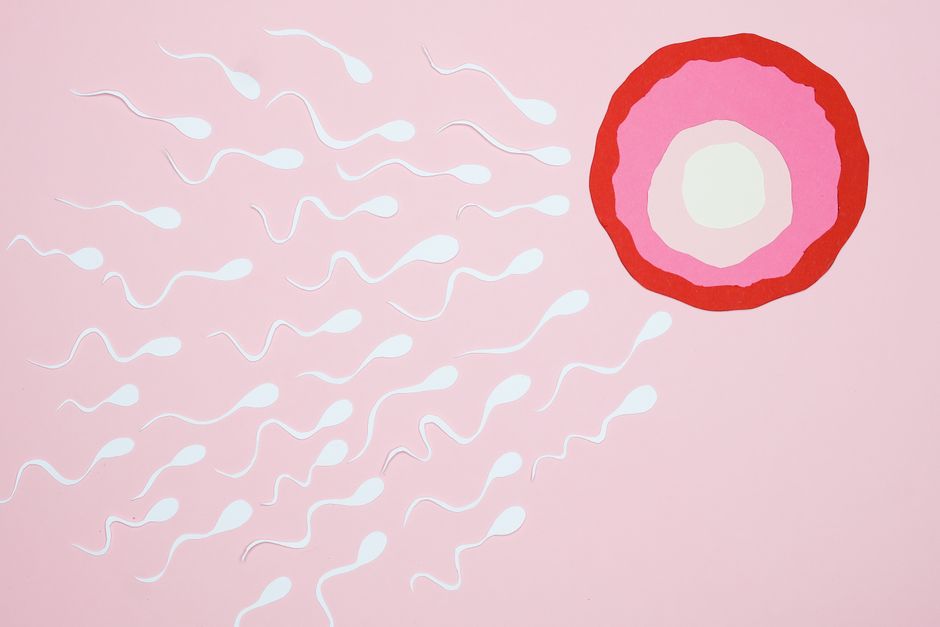
Poor sperm quality has many possible causes, and often more than one is at work. The ten factors with the strongest evidence behind them are heat exposure, smoking, alcohol, obesity, sexually transmitted infections, varicocele, hormone and genetic conditions, certain medications, recreational drug use, and age. Most of these affect sperm through measurable changes in count, shape, or movement.
Sperm are unusually vulnerable cells. They are produced continuously, they depend on a temperature a few degrees below core body temperature, and they take roughly two to three months to mature. That long production cycle means a change you make today may not show up in a semen analysis for months.
What Causes Poor Sperm Quality 10 Key Factors?
The ten factors below are the ones most consistently linked to poorer semen parameters in clinical research. Some are within your control. Others are not.
1. Heat Exposure to the Testicles
Sperm production works best at about 2 to 4 degrees Celsius below core body temperature. The scrotum and its blood vessels act as a cooling system to maintain that. Anything that raises testicular temperature for prolonged periods can impair sperm production.
Common sources include frequent hot tubs or saunas, laptops resting directly on the lap for long stretches, prolonged sitting, and tight clothing that holds heat close to the body. Occupational heat — working in hot environments or spending long hours driving — has also been studied in relation to semen quality.
This is one of the better-supported environmental factors. The mechanism is well established. What is less clear is how much everyday heat exposure matters for an individual man, since the effect varies and often reverses when the exposure stops.
2. Smoking and Tobacco Use
Smoking is associated with lower sperm count, poorer sperm movement, and more abnormal sperm shapes. Research consistently shows a link between cigarette smoking and reduced semen quality, and the effect tends to be dose-related — heavier smokers generally show larger effects.
Tobacco smoke contains compounds that cause oxidative stress, a state where reactive molecules damage cells. Sperm are particularly sensitive to this kind of damage because their membranes are rich in fats that oxidize easily.
Smokeless tobacco and vaping are not established safe alternatives for fertility. Evidence on vaping and sperm quality is still limited, which is not the same as evidence that it is harmless.
3. Alcohol Consumption
Heavy and chronic alcohol use is linked to lower testosterone, reduced sperm count, and poorer sperm quality. The relationship appears stronger at higher intakes. Evidence on light or moderate drinking is less consistent, and no clear safe threshold for fertility has been established.
Alcohol affects the hormonal signals from the brain that drive sperm production. It can also interfere with how the testes respond to those signals.
4. Obesity and Excess Body Fat
Obesity, defined as a body mass index of 30 or higher, is associated with lower sperm count and reduced sperm quality. Excess body fat changes the hormonal environment, including shifting the balance of testosterone and estrogen, and raises scrotal temperature.
Weight loss in men with obesity has been associated with improvements in some semen parameters, though results vary across studies. The evidence points in a consistent direction without guaranteeing a specific outcome for any one person.
5. Sexually Transmitted Infections
Infections such as chlamydia and gonorrhea can cause inflammation in the epididymis — the coiled tube where sperm mature and are stored — and in the testes. This inflammation can damage the delicate ducts and impair sperm function.
A key point many people miss: these infections are often silent. Chlamydia in particular frequently causes no symptoms, so an infection can affect fertility without anyone knowing it is there. Untreated infection is the concern; testing and treatment are straightforward.
Whether a past, properly treated infection causes lasting damage depends on how severe the inflammation was and how long it went untreated. Many men recover fully.
6. Varicocele
A varicocele is an enlarged, dilated vein in the scrotum, most often on the left side. It is one of the most common identifiable causes of poor sperm production in men being evaluated for infertility.
The mechanism is thought to involve impaired cooling and blood flow within the scrotum, raising temperature and increasing oxidative stress. Not everyone with a varicocele has fertility problems — many men with one have normal semen quality.
Treatment decisions are genuinely debated. Some clinicians recommend repair for men with a varicocele and documented poor semen quality, while others are more cautious about how much benefit surgery reliably delivers. This is a conversation to have carefully with a specialist, not a decision to make from an internet article.
7. Hormone and Genetic Conditions
Sperm production depends on a hormonal chain of command that runs from the brain to the testes. Problems anywhere along that chain can reduce sperm output.
- Low testosterone from pituitary or hypothalamic problems — the brain does not send enough of the signals that tell the testes to produce sperm.
- Klinefelter syndrome — a genetic condition in which males have an extra X chromosome, commonly associated with low sperm production.
- Y chromosome microdeletions — small missing sections of the Y chromosome that can impair sperm production.
- Prior testicular injury, torsion, or cancer treatment — can affect production depending on severity.
These are less common than lifestyle factors but important to rule out, which is why a full evaluation matters when sperm quality is poor.
8. Medications and Medical Treatments
Several categories of medication can affect sperm production or function. These include some chemotherapy drugs, certain hormonal treatments, some antibiotics, and some medications used for other chronic conditions.
This is a place to be careful with general information. The effect depends heavily on the specific drug, the dose, and the individual. Never stop a prescribed medication on the basis of reading about fertility effects. Talk to the prescriber about your concerns.
Cancer treatment is a special case. Sperm banking before chemotherapy or radiation is well established as an option, and it is best discussed before treatment begins.
9. Recreational Drug Use
Regular use of anabolic steroids is one of the more clearly documented causes of poor sperm production. These drugs suppress the brain signals that drive sperm production, and sperm counts can fall sharply — sometimes to zero. Recovery after stopping can take months to years and is not always complete.
Cannabis use has been studied in relation to sperm quality, but the evidence is mixed and the studies have limitations. Some research suggests associations with reduced sperm count or altered sperm function; other studies have not found clear effects. It is not possible to state a firm conclusion.
Other drugs, including opioids and heavy stimulant use, can affect hormones and sperm production.
10. Age
Unlike women, men produce sperm throughout life, but sperm quality does decline with age. Studies have found that older men tend to have lower semen volume, reduced sperm movement, and more sperm with abnormal shape, though the changes vary widely between individuals.
Age also affects DNA integrity within sperm, and some research links older paternal age to a modestly higher risk of certain genetic conditions in offspring. The absolute risk remains low, but the pattern has been observed across large studies.
What About Stress, Diet, and Environmental Chemicals?
These come up often. The evidence is real but less definitive than for the ten factors above.
Psychological stress has been linked to changes in semen quality in some studies, but measuring stress and proving cause and effect is difficult. Diet patterns — particularly ones high in processed foods and low in fruits and vegetables — have been associated with poorer semen parameters, though the research is observational.
Environmental exposure to certain chemicals, including some pesticides and endocrine-disrupting compounds, has been studied and remains an active area of research. The findings are suggestive rather than conclusive for any individual. It is reasonable to pay attention to these without treating them as proven causes.
How Is Poor Sperm Quality Actually Measured?
The main test is a semen analysis, which measures sperm concentration, total count, movement (motility), and shape (morphology). Reference ranges come from the World Health Organization, though these describe the lower end of what is seen in men who have fathered children — they are not a strict pass-fail line for fertility.
Semen quality varies naturally from sample to sample, which is why a single abnormal result is not a diagnosis. Repeat testing is common. A full evaluation can also include hormone testing and a physical exam.
One practical point: the sperm being produced now are not the sperm that will be measured in a few weeks. Because the maturation cycle takes roughly two to three months, any change — stopping a habit, treating an infection — needs time before it shows up in a test.
Frequently Asked Questions
Can poor sperm quality be improved?
Yes, in many cases. Removing a contributing factor such as smoking, heat exposure, or an untreated infection is often followed by improvement, though the degree varies by person and cause. Some causes, such as genetic conditions, do not reverse.
How long does it take to improve sperm quality?
Sperm take roughly two to three months to mature, so most changes take at least that long to appear on a semen analysis. Improvement is not guaranteed, and the timeline depends on the cause.
Does masturbation cause poor sperm quality?
No. Normal ejaculation does not reduce sperm quality, though a short period of abstinence before a semen test can affect the sample. This is why labs give specific instructions before testing.
Can tight underwear cause low sperm count?
It may contribute to increased scrotal temperature, which can affect sperm production, but the evidence is not strong enough to call it a major cause. It is one small factor among many.
