
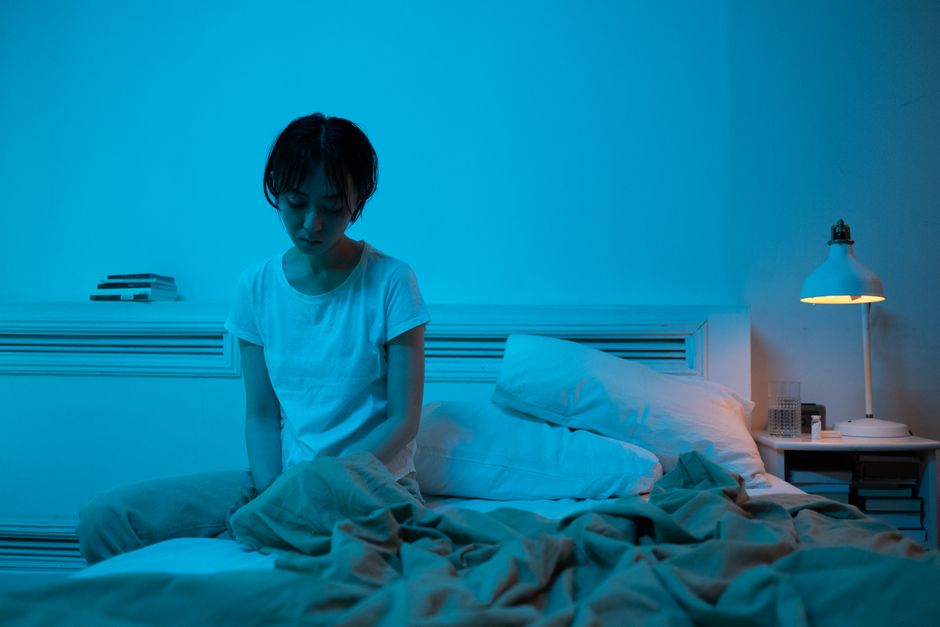
Poor sleep quality means sleep that fails to leave you feeling rested, regardless of how many hours you spend in bed. It is typically caused by a combination of lifestyle habits, underlying health conditions, and environmental factors that disrupt the natural sleep cycle. The most common culprits include irregular sleep schedules, excessive screen time before bed, caffeine and alcohol consumption, stress, and untreated sleep disorders like sleep apnea.
What Causes Poor Sleep Quality?
Sleep quality is not the same as sleep duration. You can spend eight hours in bed and still wake up exhausted. Quality sleep means cycling through the stages of sleep — light sleep, deep sleep, and REM sleep — without frequent interruptions.
Several factors disrupt this cycle. The most common are behavioral. Going to bed at a different time every night confuses your body’s internal clock. Using your phone or watching television in bed exposes you to blue light that suppresses melatonin, the hormone that signals it is time to sleep.
Caffeine is another major disruptor. Its effects can last six to eight hours in most people. A late afternoon coffee can still be interfering with your sleep at midnight. Alcohol has a similar problem. It may help you fall asleep faster, but it fragments sleep later in the night and reduces REM sleep.
How Stress and Anxiety Affect Sleep
Stress keeps your nervous system in a state of alert. When you lie down at night, your body may still be producing cortisol and adrenaline — hormones designed for daytime challenges, not rest.
Anxiety often triggers a specific pattern. You fall asleep fine, then wake up at 2 or 3 a.m. with your mind racing. This happens because anxiety lowers your threshold for waking during lighter sleep stages. Your brain is primed to notice threats, and a small noise or a thought is enough to pull you fully awake.
Worrying about sleep itself makes the problem worse. This is called psychophysiological insomnia. You begin to associate your bed with frustration and alertness rather than rest. The more you try to force sleep, the more elusive it becomes.
If stress is the primary cause, addressing it often requires more than “trying to relax.” Cognitive behavioral therapy for insomnia, known as CBT-I, is the most evidence-based approach. It helps break the cycle of anxiety and poor sleep by changing behaviors and thought patterns around bedtime.
The Role of Medical Conditions in Sleep Disruption
Several medical conditions directly impair sleep quality. Sleep apnea is one of the most significant. In this condition, your airway repeatedly collapses during sleep, causing you to stop breathing for seconds at a time. You may not consciously wake, but your brain registers each pause and pulls you out of deep sleep. People with sleep apnea often feel exhausted despite sleeping a full night.
Restless legs syndrome also disrupts sleep. It causes an uncomfortable urge to move the legs, usually in the evening. The sensation is often described as crawling, tingling, or aching. It makes falling asleep difficult and fragments sleep throughout the night.
Chronic pain is another common culprit. Pain signals keep the brain partially alert even during sleep. Conditions like arthritis, fibromyalgia, and back problems are strongly associated with poor sleep quality.
Hormonal changes matter too. Menopause frequently disrupts sleep through night sweats and hot flashes. Thyroid disorders can also affect sleep — an overactive thyroid can cause difficulty falling asleep, while an underactive thyroid can cause excessive daytime sleepiness.
If you have persistent poor sleep with no clear lifestyle explanation, a medical evaluation is appropriate. A doctor can screen for these conditions. Sleep studies, either at home or in a clinic, can identify problems like sleep apnea that you might not notice yourself.





How Your Sleep Environment Matters
Your bedroom plays a direct role in sleep quality. The three most important environmental factors are light, noise, and temperature.
Light suppresses melatonin production. Even small amounts of light from a digital clock, streetlights, or a phone charger can reach your eyes and signal your brain to stay alert. Blackout curtains and eye masks are simple, effective solutions.
Noise is more than just loud sounds. Intermittent noises — a neighbor’s dog, a passing car, a partner’s snoring — can pull you out of deep sleep without you remembering it. White noise machines or earplugs can mask these disruptions.
Temperature matters because your body needs to cool down to fall asleep and stay asleep. The ideal bedroom temperature for most people is between 60 and 67 degrees Fahrenheit. A room that is too warm interferes with the natural drop in core body temperature that occurs during sleep.
Lifestyle Habits That Quietly Ruin Sleep
Some habits harm sleep without obvious connection. Eating large meals late at night is one. Digestion raises your core temperature and can cause acid reflux, both of which disrupt sleep.
Exercise timing matters for some people. Regular exercise improves sleep quality overall, but intense workouts within two hours of bedtime can leave you too alert to sleep. This varies by person. Some people sleep fine after evening exercise; others do not.
Napping is a double-edged sword. A short nap of 10 to 20 minutes in the early afternoon can improve alertness. Longer naps or naps late in the day reduce your sleep drive at night, making it harder to fall asleep and stay asleep.
Inconsistent wake times are a hidden problem. Many people focus on when they go to bed, but your wake time matters more for your internal clock. Waking at a different time every day — including weekends — keeps your circadian rhythm unstable. A consistent wake time, even on days off, is one of the most effective ways to improve sleep quality.
Screen Time and Blue Light
Screen use before bed is a well-established cause of poor sleep. The blue light emitted by phones, tablets, and computers suppresses melatonin more than other types of light. This delays the onset of sleep and reduces the amount of REM sleep you get.
The content you consume matters too. Social media, news, and work emails can increase mental arousal. Scrolling through stressful content right before bed keeps your mind active when it should be winding down.
Research consistently shows that reducing screen time in the hour before bed improves sleep quality. If you must use screens, dimming the brightness and using night mode can help, but these features do not eliminate the effect. The most reliable approach is to stop using screens entirely for at least 30 to 60 minutes before sleep.
When to Seek Professional Help
Occasional poor sleep is normal. Life events, travel, and short-term stress all cause temporary sleep disruption. You do not need treatment for a few bad nights.
Persistent poor sleep is different. If you have difficulty falling asleep or staying asleep at least three nights per week for three months, this meets the clinical definition of chronic insomnia. Professional evaluation is appropriate at this point.
Seek help sooner if you have additional symptoms. Loud snoring, gasping during sleep, or pauses in breathing suggest sleep apnea. Severe daytime sleepiness that interferes with driving or work is also a reason to see a doctor promptly.
Treatment options depend on the cause. CBT-I is the first-line treatment for chronic insomnia. It is more effective long-term than sleep medications and has no side effects. Sleep apnea is treated with continuous positive airway pressure (CPAP) therapy or oral appliances. Underlying conditions like thyroid disorders or depression require treatment of the condition itself.
Sleep medications are appropriate in some situations but not as a long-term solution. Most sleeping pills are intended for short-term use. They can cause dependence and lose effectiveness over time. Discuss any sleep medication with a doctor rather than relying on over-the-counter products, which have limited evidence for long-term use.
Frequently Asked Questions
How many hours of sleep do adults need?
Most adults need between seven and nine hours of sleep per night for optimal health. Some people function well on seven hours while others need closer to nine.
Can poor sleep quality cause health problems?
Yes. Chronic poor sleep is linked to higher risks of heart disease, high blood pressure, type 2 diabetes, obesity, and depression. It also impairs memory, concentration, and immune function.
Is it better to take melatonin or a prescription sleep aid?
Melatonin is appropriate for sleep timing issues like jet lag, but evidence for general insomnia is limited. Prescription sleep aids are more potent but intended for short-term use due to dependence risk. Discuss both options with a doctor.
Does exercise improve sleep quality?
Regular exercise improves sleep quality and reduces the time it takes to fall asleep. Aerobic exercise and resistance training both help, but intense workouts close to bedtime may keep some people awake.
