
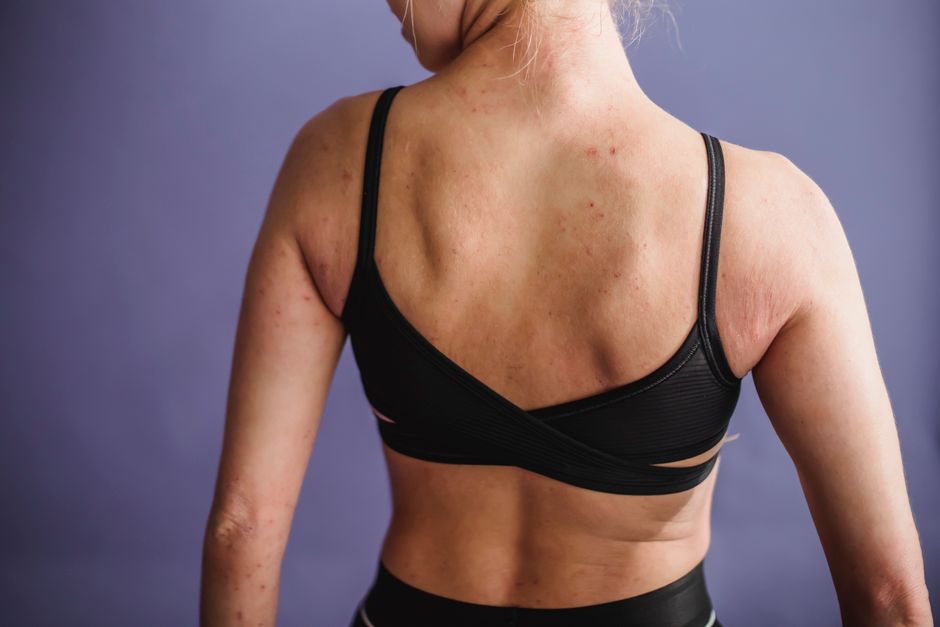
Pityriasis is not one disease. It is a descriptive term doctors use for several different skin conditions that share a similar look — flaky, scaly, sometimes slightly pink or lighter-than-surrounding patches. The causes differ completely depending on which condition you actually have. A virus drives one common type, a yeast drives another, and some forms have no confirmed infectious cause at all. That is the core reason the word “pityriasis” appears in front of so many different diagnoses.
The confusion is understandable. Pityriasis rosea, pityriasis versicolor, and pityriasis alba sound like siblings. They are not. They have different triggers, different treatments, and different outlooks. Understanding what is actually causing the patches on your skin starts with identifying which of these conditions you are dealing with.
Why Do So Many Different Conditions Share the Name Pityriasis?
The word comes from the Greek word for bran. It describes the fine, flaky scale that these conditions have in common on the skin surface. Historically, doctors grouped skin conditions by how they looked rather than by what caused them. The name stuck even after the underlying causes were separated.
This is a naming pattern, not a shared disease process. Think of it the way “arthritis” describes joint inflammation from many different causes — autoimmune, infectious, or wear-related. The label describes a feature, not a mechanism.
When a dermatologist says “pityriasis,” they are describing a visual pattern. The diagnosis behind that pattern could be viral, fungal, or something else entirely. That distinction matters because treatment for one type will not work for another.
What Causes Pityriasis Rosea?
Pityriasis rosea is most likely triggered by reactivation of human herpesviruses 6 and 7. These are extremely common viruses. Most people are infected in early childhood, and the virus stays dormant in the body afterward. In some people, it reactivates and sets off the rash.
The evidence for this link is strong but not absolute. Researchers have found viral DNA and evidence of reactivation in many — not all — people with pityriasis rosea. The virus is not the only factor, which is why not everyone who carries it develops the rash.
The rash has a recognizable pattern. It often starts with one larger patch called a herald patch, followed days to weeks later by a wider spread of smaller patches, usually on the trunk. The patches are oval and tend to follow the lines of the ribs, forming a pattern sometimes described as a Christmas tree.
Pityriasis rosea is not considered contagious in normal social contact. It usually clears on its own within several weeks to a few months. Some people experience itching, and a clinician may suggest treatment to ease it. The evidence for specific antiviral treatment is limited, and most cases do not require it.
What Causes Pityriasis Versicolor?
Pityriasis versicolor is caused by an overgrowth of Malassezia, a yeast that normally lives on human skin. This is the yeast connection in the name. Malassezia is part of the normal skin microbiome in most adults and usually causes no problem.
Under certain conditions — heat, humidity, sweating, and oily skin — the yeast multiplies beyond its usual balance. The result is patches that may be lighter or darker than the surrounding skin, often with fine scale. The patches most often appear on the chest, back, and shoulders.
One detail people find confusing: the patches can stay lighter than the surrounding skin even after the yeast is treated. This is not active infection. It reflects changes in how the affected skin produces pigment, and it can take months to even out.
Pityriasis versicolor is not spread person to person. It comes from your own skin flora. It also tends to recur, particularly in warm climates or during sweaty seasons. Antifungal treatments — topical or sometimes oral — are effective, but recurrence is common and does not mean treatment failed.
What Causes Pityriasis Alba?
Pityriasis alba is a form of mild eczema that produces pale, slightly scaly patches, most often on the face and upper arms of children and young adults. It is more visible in people with darker skin because the affected patches lose some pigment temporarily.
The cause is not an infection. It is linked to the same dry-skin and inflammation processes seen in atopic dermatitis. It is more common in people with a personal or family history of eczema, asthma, or allergies.
Pityriasis alba usually fades on its own over months to a few years. Gentle moisturizing is the main supportive measure. The pale patches are not scarring and are not a sign of a serious underlying condition. It is worth knowing that it is often mistaken for a fungal infection, which leads to unnecessary antifungal treatment.
How Do You Tell These Conditions Apart?
The differences show up in where the patches appear, what they look like, and who tends to get them. A visual comparison helps clarify the distinctions.
| Condition | Likely Cause | Typical Appearance | Common Locations | Contagious? |
|---|---|---|---|---|
| Pityriasis rosea | Reactivation of HHV-6 or HHV-7 | Herald patch, then oval scaly patches along rib lines | Trunk, upper arms, thighs | No, not in normal contact |
| Pityriasis versicolor | Overgrowth of Malassezia yeast | Lighter or darker patches with fine scale | Chest, back, shoulders | No |
| Pityriasis alba | Mild eczema-related inflammation | Pale, slightly scaly patches | Face, upper arms | No |
This table is a starting guide, not a diagnosis. Skin conditions can look alike, and several can appear on the same person at once. A clinician can often tell them apart by examination, and sometimes with a simple skin scraping viewed under a microscope to check for yeast.
When Should You See a Doctor?
See a clinician if a rash spreads quickly, itches severely, or does not improve over several weeks. Also seek care if you are unsure what you are looking at, or if the patches are on your face and affecting how you feel about your appearance.
Some skin conditions that look like pityriasis can mimic more serious problems. A proper exam rules those out. This is not a reason to panic — most scaly rashes are benign — but it is a reason not to self-diagnose from photos alone.
People with weakened immune systems should be seen promptly for any new or spreading rash. The same applies to anyone with a rash accompanied by fever, joint pain, or feeling unwell.
What About Other Causes People Ask About?
Pityriasis also appears in a few less common contexts. Pityriasis lichenoides is an uncommon inflammatory condition of uncertain cause, and it is not linked to the same viruses as pityriasis rosea. Some forms of scalp flaking are described using pityriasis-related terms, but these are separate from the skin conditions above.
There is no single virus, yeast, or environmental trigger that explains all pityriasis conditions. The shared name reflects a shared appearance, not a shared cause. That is the most useful thing to understand when you encounter the term.
One clarification worth holding onto: the presence of yeast on your skin is normal. Malassezia is not an invader you need to eliminate. Problems arise from imbalance, not from the yeast simply being there.
Frequently Asked Questions
Is pityriasis rosea caused by a virus?
Research strongly links pityriasis rosea to reactivation of human herpesviruses 6 and 7. Not everyone who carries these viruses develops the rash, so other factors are likely involved.
Is pityriasis versicolor contagious?
No. It comes from an overgrowth of yeast that normally lives on your own skin, so it cannot be passed to other people.
Can pityriasis alba turn into a serious skin condition?
No. Pityriasis alba is a mild form of eczema that fades on its own and does not progress to a serious condition.
Do all types of pityriasis need treatment?
No. Pityriasis rosea and pityriasis alba often clear without treatment, while pityriasis versicolor usually responds to antifungal treatment but commonly recurs.
