
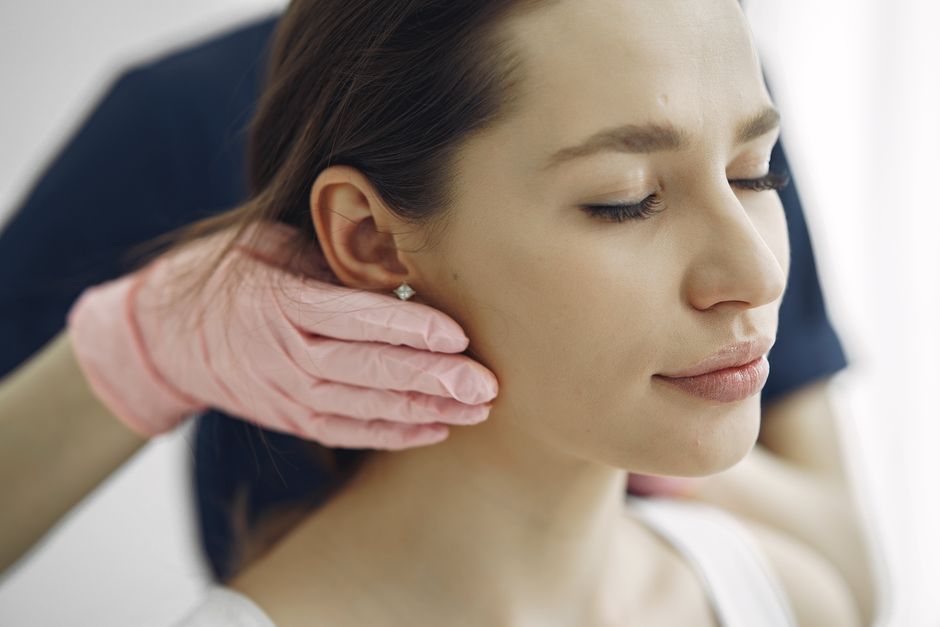
The parotid glands are the largest of your salivary glands, one on each side of your face just in front of your ears. When they swell, you notice it quickly — a visible bump or puffiness that can make your jawline look distorted. The most common causes are infections, blockages, and autoimmune conditions, but the specific reason matters for how the swelling is treated.
What Causes Parotid Gland Swelling?
The parotid gland produces saliva that drains into your mouth through a tube called Stensen’s duct. When that flow is disrupted, or when the gland tissue itself becomes inflamed, swelling follows. The most frequent culprit is a viral infection, particularly mumps, though this is far less common now due to vaccination. Bacterial infections can also occur, often as a secondary problem when saliva flow slows down.
Blockages are another major cause. A stone can form inside the duct and prevent saliva from escaping, causing the gland to back up and swell. Less commonly, a tumor — either benign or malignant — can press on the gland or grow within it. Autoimmune conditions like Sjögren’s syndrome can also cause chronic inflammation and swelling.
How Do Viral and Bacterial Infections Differ?
Viral infections typically cause swelling on both sides of the face. Mumps is the classic example, but other viruses like Epstein-Barr, influenza, and even HIV can cause parotitis. The swelling from a viral infection usually peaks within a few days and resolves on its own as the immune system clears the virus. There is no specific antiviral treatment for most of these cases — supportive care with fluids and pain relief is the standard approach.
Bacterial parotitis is different. It usually affects one side only and often occurs in people who are dehydrated, hospitalized, or have poor oral hygiene. The gland becomes painful, warm to the touch, and the swelling may worsen rapidly. Pus may drain from the duct opening inside the mouth. Bacterial infections require antibiotics, and in severe cases, surgical drainage may be necessary.
One key difference: if you have a bacterial infection, you may feel systemically unwell with fever and chills. Viral infections can cause fever too, but bacterial parotitis tends to make people feel significantly sicker.
Can Salivary Gland Stones Cause Swelling?
Yes. Salivary duct stones, called sialoliths, are one of the most common causes of parotid swelling in adults. These stones are made of calcium and other minerals that crystallize inside the duct. When a stone partially or completely blocks the duct, saliva backs up into the gland, causing swelling that often worsens during meals when saliva production increases.
The pain and swelling typically come and go. You might notice that the swelling appears right before or during eating and then gradually subsides over the next hour or two. If the stone completely blocks the duct, the gland can become infected, leading to bacterial parotitis on top of the obstruction.
Treatment depends on the size and location of the stone. Small stones may pass on their own or with the help of hydration and gentle massage. Larger stones may require a procedure called sialendoscopy, where a thin scope is inserted into the duct to locate and remove the stone.





When Could It Be Sjögren’s Syndrome or Another Autoimmune Condition?
Sjögren’s syndrome is an autoimmune disorder in which the body’s immune system attacks its own moisture-producing glands, including the parotid glands. Swelling in this condition is often bilateral, meaning both sides are affected. It tends to be chronic and may come and go over months or years. Dry eyes and dry mouth are the hallmark symptoms that accompany the gland swelling.
Other autoimmune conditions like sarcoidosis and lupus can also affect the parotid glands, though less commonly. If you have recurrent parotid swelling without an obvious infectious or obstructive cause, and you also experience persistent dry eyes or dry mouth, it is worth discussing autoimmune testing with your doctor.
What About Tumors and Growths?
Tumors of the parotid gland are relatively uncommon, but they do occur. The vast majority — about 80 percent — are benign. The most common benign tumor is a pleomorphic adenoma, which typically presents as a slow-growing, painless lump. Malignant tumors are rarer but more concerning, especially if the lump is hard, fixed to surrounding tissue, or associated with facial nerve weakness.
Facial nerve weakness or paralysis on the same side as the swelling is a red flag. The facial nerve runs directly through the parotid gland, so any growth that affects it can cause drooping on that side of the face. This symptom requires prompt evaluation by an ear, nose, and throat specialist.
Imaging with ultrasound or MRI is usually the first step in evaluating a suspected tumor. A biopsy may be needed to determine whether the growth is benign or malignant.
What Other Conditions Can Mimic Parotid Swelling?
Not every bump near the jaw is the parotid gland itself. Enlarged lymph nodes in the area can look similar, especially during an infection. A dental abscess or an infection in the jaw bone can also cause swelling in the same region. In some cases, what appears to be parotid swelling is actually inflammation of the nearby temporomandibular joint, though this usually causes pain with jaw movement rather than a visible lump.
Dehydration is a common and often overlooked cause. When you are dehydrated, saliva flow decreases, and the parotid gland can become swollen and tender. This is frequently seen in elderly people who do not drink enough fluids, but it can happen to anyone after a long period without adequate hydration.
Certain medications can also cause parotid swelling as a side effect. Antihistamines, diuretics, and some blood pressure medications can reduce saliva production, leading to glandular swelling. If you recently started a new medication and noticed swelling, review this with your doctor or pharmacist.
When Should You See a Doctor?
Most cases of parotid swelling resolve on their own, especially when caused by a viral infection or mild dehydration. But some situations warrant medical attention without delay. Seek evaluation if the swelling is severe, rapidly worsening, or accompanied by high fever. Difficulty swallowing or breathing is an emergency.
You should also see a doctor if the swelling persists for more than two weeks, if it is painless and slowly growing, or if you notice any weakness in your facial muscles. A history of prior parotid swelling that keeps recurring also deserves investigation, as it may point to an underlying stone or autoimmune condition.
If the gland is painful and you have a fever, do not wait. Bacterial parotitis can progress to an abscess, which may require drainage. Early treatment with antibiotics is far simpler than managing a complicated infection.
How Is Parotid Swelling Treated?
Treatment depends entirely on the cause. For viral infections, rest, hydration, and over-the-counter pain relievers are usually sufficient. For bacterial infections, antibiotics are necessary, and sometimes hospitalization with intravenous fluids and antibiotics is required. For stones, the approach ranges from conservative measures like hydration and sour candies to stimulate saliva flow, to procedures like sialendoscopy or lithotripsy to break up larger stones.
For autoimmune causes, treatment focuses on managing the underlying condition. This may include medications to reduce inflammation or suppress the immune system. For tumors, surgical removal is the standard treatment, with the extent of surgery depending on whether the tumor is benign or malignant.
Regardless of the cause, staying well-hydrated and maintaining good oral hygiene are sensible measures that support salivary gland health. Chewing sugar-free gum or sucking on sugar-free candies can help stimulate saliva flow, which may prevent blockages and reduce the risk of infection.
Can Parotid Swelling Be Prevented?
Prevention is possible for some causes but not all. Staying hydrated is the single most effective preventive measure for dehydration-related swelling and for reducing the risk of stone formation. Good oral hygiene reduces the bacterial load in your mouth, which lowers the risk of bacterial parotitis. Vaccination against mumps is highly effective and has dramatically reduced the incidence of mumps-related parotitis in vaccinated populations.
For people prone to recurrent stones, some clinicians recommend regular hydration and limiting foods that are very high in calcium or oxalate, though the evidence for dietary modification is limited. If you have an autoimmune condition, working with your rheumatologist to keep the disease under control is the best way to reduce gland involvement.
Frequently Asked Questions
Can stress cause parotid gland swelling?
Stress itself does not directly cause parotid swelling, but it can lead to dehydration, teeth grinding, and reduced saliva flow, which may contribute to gland problems.
How long does parotid gland swelling last?
Viral-related swelling typically resolves within one to two weeks. Swelling from a stone or tumor may persist or come and go until the underlying cause is addressed.
Is parotid gland swelling serious?
Most cases are not serious and resolve on their own. However, swelling with high fever, rapid progression, or facial weakness requires prompt medical evaluation.
Can allergies cause parotid gland swelling?
Allergic reactions can occasionally cause salivary gland swelling, but this is uncommon. More often, allergy symptoms like nasal congestion lead to mouth breathing and dehydration, which indirectly affects saliva flow.
