
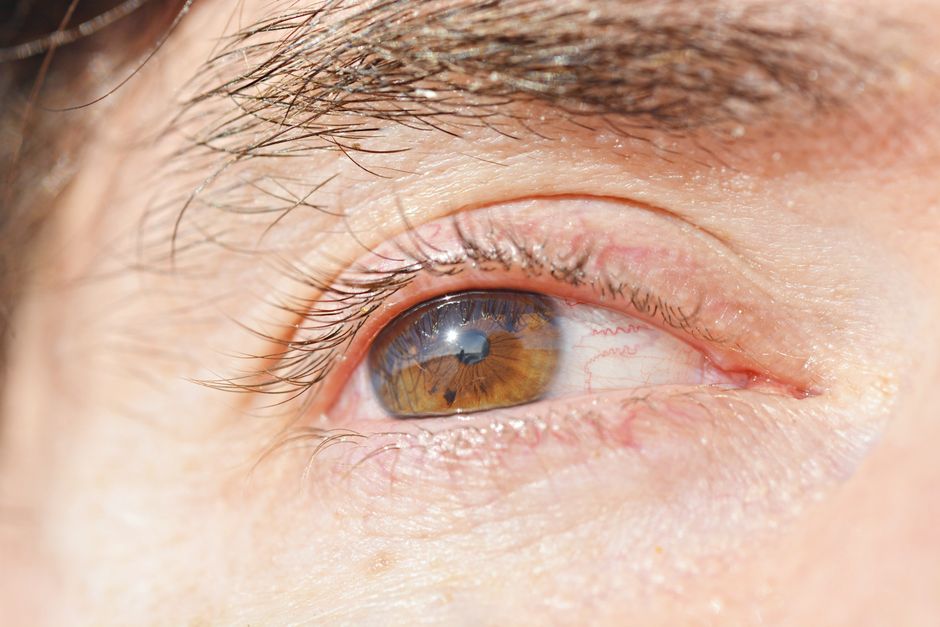
Ocular dermatitis is inflammation of the thin, delicate skin around the eyes. It causes redness, itching, swelling, and flaking. The condition is usually triggered by either an allergic reaction to something touching the skin or an irritant damaging the skin barrier. Treatment depends on identifying and removing the trigger, then using gentle skincare and prescription medications to calm the inflammation.
What Exactly Is Ocular Dermatitis?
The skin around your eyes is among the thinnest on your body. It has fewer oil glands and less protective barrier function than skin elsewhere. That makes it highly vulnerable to irritation and allergic reactions.
Ocular dermatitis is not an eye disease. It affects the eyelids and the skin surrounding the eye socket. The eyeball itself is usually uninvolved, though sometimes the conjunctiva—the clear membrane over the white of the eye—can also become inflamed.
There are two main types. Allergic contact dermatitis occurs when the immune system overreacts to a substance that touches the skin. Irritant contact dermatitis happens when a substance directly damages the skin without involving the immune system. Both produce similar symptoms, which can make them hard to tell apart without a doctor’s evaluation.
What Causes Ocular Dermatitis?
The most common causes fall into three categories: cosmetics and skincare products, medications, and environmental allergens.
Cosmetic products are the leading culprit. Nail polish is a frequent hidden cause. You touch your eyes with your fingers, and the nail polish transfers to the eyelid skin. Hair dye, especially para-phenylenediamine (PPD), can cause severe eyelid swelling. Eye creams, mascara, eyeliner, and eyeshadow all contain preservatives, fragrances, and dyes that can trigger reactions.
Skincare products applied to the face often migrate to the eye area. Retinoids, alpha-hydroxy acids, and benzoyl peroxide are common irritants. Even “gentle” products can cause problems if you apply them too close to the eye margin.
Medications are another significant cause. Antibiotic eye drops, especially neomycin and gentamicin, commonly cause allergic reactions. Glaucoma drops like brimonidine and beta-blockers can also trigger dermatitis. Preservatives in eye drops, particularly benzalkonium chloride, are frequent irritants.
Environmental factors matter too. Pollen, dust mites, and pet dander can cause eyelid dermatitis, especially in people with a history of allergies. Nickel from eyeglass frames is a classic trigger. So is fragrance from laundry detergent or fabric softener that transfers to pillows and then to your face.
What Are the Symptoms of Ocular Dermatitis?
Symptoms typically appear within hours to days after exposure. The skin becomes red, swollen, and itchy. It may feel dry, tight, or scaly. Small blisters can form in severe cases. Chronic cases show thickening and darkening of the eyelid skin, a process called lichenification.
Swelling is often the most alarming symptom. The eyelids have loose connective tissue, so fluid accumulates easily. Eyes can swell nearly shut in severe allergic reactions. This looks frightening but is rarely dangerous unless accompanied by breathing difficulty, which would indicate a more serious systemic reaction.
Burning and stinging are more common with irritant dermatitis. Itching dominates in allergic dermatitis. Weeping or crusting can occur if the skin cracks or if a secondary bacterial infection develops.
One important distinction: if you have pain inside the eye, light sensitivity, blurred vision, or discharge from the eye itself, you may have conjunctivitis or another eye condition. Ocular dermatitis alone does not typically cause these symptoms.
How Is Ocular Dermatitis Diagnosed?
A dermatologist or allergist usually diagnoses ocular dermatitis through history and examination. The doctor will ask about new products, medications, and activities. The location and appearance of the rash provide important clues.
Patch testing is the gold standard for identifying allergic triggers. Small amounts of potential allergens are applied to the back and covered with adhesive patches. They remain in place for 48 hours. The skin is examined for reactions at 48 and 96 hours. This test can identify specific allergens so you can avoid them precisely.
Patch testing is not always necessary. If symptoms resolve after stopping a suspected product, that product is likely the cause. But when the trigger is unclear or symptoms persist, patch testing becomes valuable.
No blood test currently exists to diagnose contact dermatitis. Skin biopsy is rarely needed but may be performed if the diagnosis is uncertain or if the rash does not respond to treatment.
What Is the Treatment for Ocular Dermatitis?
Treatment has two phases: stopping the exposure and calming the inflammation.
Stopping the trigger is the most critical step. If you have identified a product, stop using it immediately. This includes makeup, skincare, hair products, and nail polish. Sometimes the trigger is less obvious, like a new detergent or a medication you have taken for months without issue. Allergic reactions can develop after years of uneventful use, so do not rule out long-standing products.
During the acute phase, simplify your routine. Use only warm water to cleanse the face. Avoid all cosmetics and skincare products around the eyes. If you must moisturize, use a plain petrolatum-based product without fragrances or preservatives. Petrolatum is well tolerated by most people with sensitive skin.
Topical corticosteroids are the mainstay of medical treatment. Hydrocortisone 1% is available over the counter, but the eye area requires caution. Prolonged use of even mild steroids can thin the skin and cause other complications. A dermatologist may prescribe a stronger steroid for short-term use, typically one to two weeks. Never use a stronger steroid on the eyelids without medical supervision.
Calcineurin inhibitors are an alternative to steroids. Tacrolimus and pimecrolimus are non-steroidal creams that suppress the immune response. They do not cause skin thinning, making them attractive for the delicate eye area. Some dermatologists prefer them for long-term management.
Oral antihistamines can reduce itching, especially at night. They do not treat the dermatitis itself but can improve comfort and prevent scratching, which worsens the condition.
Cold compresses applied for 10 to 15 minutes several times daily can reduce swelling and soothe the skin. This is a safe, effective adjunct to medical treatment.
What Should You Avoid During Treatment?
Avoid rubbing or scratching the area. This damages the skin further and increases the risk of infection. Keep fingernails short and consider wearing cotton gloves at night if you scratch in your sleep.
Avoid all fragranced products, including those labeled “natural” or “hypoallergenic.” These terms are not regulated and do not guarantee safety. Essential oils are common allergens and should be avoided during an active flare.
Avoid hot water on the face. Hot water strips oils and worsens irritation. Use lukewarm water for cleansing.
Avoid makeup until the skin has fully healed, which may take several weeks even after the trigger is removed. The skin barrier needs time to repair, and applying products too soon can restart the cycle.
When Should You See a Doctor?
See a doctor if the rash is severe, spreading, or not improving within a few days of removing the suspected trigger. Seek immediate care if you have difficulty breathing, facial swelling beyond the eye area, or signs of infection such as increasing pain, yellow discharge, or fever.
An ophthalmologist should evaluate you if you experience eye pain, vision changes, or discharge from the eye itself. These symptoms suggest the eye itself is involved, which requires different treatment.
Recurrent ocular dermatitis warrants professional evaluation. Repeated flares suggest an ongoing exposure you have not identified. Patch testing can often solve this puzzle.
How Can You Prevent Ocular Dermatitis?
Prevention starts with knowing your triggers. If you have identified an allergen through patch testing, read ingredient labels carefully. Cosmetic ingredients change, so recheck labels even for products you have used for years.
Apply face products at least an inch away from the eye margin. This simple habit prevents many cases. Most people apply moisturizer and sunscreen too close to the eyes without realizing it.
Wash your hands before touching your face. Nail polish, hair products, and residue from other substances transfer easily to the eye area.
If you wear eyeglasses, ensure the frames fit properly. Constant friction from ill-fitting frames can cause irritant dermatitis. Nickel-free frames are available for people with nickel allergy.
Frequently Asked Questions
Can ocular dermatitis affect your vision?
Ocular dermatitis itself does not typically affect vision. If you experience blurred vision, eye pain, or light sensitivity, see an eye doctor promptly because these suggest the eye itself is involved.
How long does ocular dermatitis take to heal?
Mild cases improve within a few days of removing the trigger. Complete healing of the skin barrier can take two to four weeks, and chronic cases may take longer.
Is it safe to use hydrocortisone cream on eyelids?
Hydrocortisone 1% is sometimes used on eyelids for short periods, but prolonged use can thin the skin. A doctor should supervise any steroid use on the eye area, especially if it lasts more than a week.
Can stress cause ocular dermatitis?
Stress does not directly cause ocular dermatitis, but it can worsen existing skin conditions and increase scratching. Managing stress may help reduce flare severity but will not cure the underlying trigger.
