
Nosebleeds happen when tiny blood vessels inside your nose break open. In adults, the most common causes are dry air, nose picking, allergies, and certain medications like blood thinners. The medical term is epistaxis, and while they can be alarming, most nosebleeds are not serious and stop on their own.
How do nosebleeds happen?
The inside of your nose is lined with many small, fragile blood vessels. These vessels sit close to the surface, so they bleed easily when irritated. Most nosebleeds come from the front part of the nose, an area called Kiesselbach’s plexus. When the lining dries out or gets rubbed, a blood vessel can crack open. Bleeding from the back of the nose is less common and usually more serious.
What causes nose bleeds in adults?
Dry air is the most common cause. It dries out the nasal lining, making it crack and bleed. This happens often in winter when indoor heating runs, or in dry climates. Nose picking or blowing your nose too hard can also break the vessels. Allergies and colds cause inflammation and congestion, which increases pressure in the nose and makes bleeding more likely. Some medications, especially blood thinners like aspirin, warfarin, or clopidogrel, make bleeding easier and harder to stop. Nasal sprays used for allergies, if used incorrectly, can also irritate the lining. Trauma from a hit to the face or a foreign object is another cause. High blood pressure is sometimes mentioned, but research does not clearly show it causes nosebleeds on its own. High blood pressure may make a nosebleed worse once it starts, but it is rarely the primary trigger. Other causes include nasal tumors (benign or malignant, though rare), bleeding disorders, pregnancy (due to increased blood flow and hormone changes), and alcohol use (which can affect blood clotting).
How can you tell if a nosebleed is serious?
Most nosebleeds stop within 20 minutes with proper first aid. You should see a doctor if the bleeding lasts longer than 30 minutes, is very heavy, or happens after a head injury. Nosebleeds that come back frequently or cause significant blood loss are also worth checking. If you take blood thinners, even a moderate nosebleed needs medical attention because it may be harder to control. Bleeding from the back of the nose often causes blood to flow down the throat, which can lead to vomiting blood. That type usually requires a doctor or emergency room visit.





What is the correct way to stop a nosebleed?
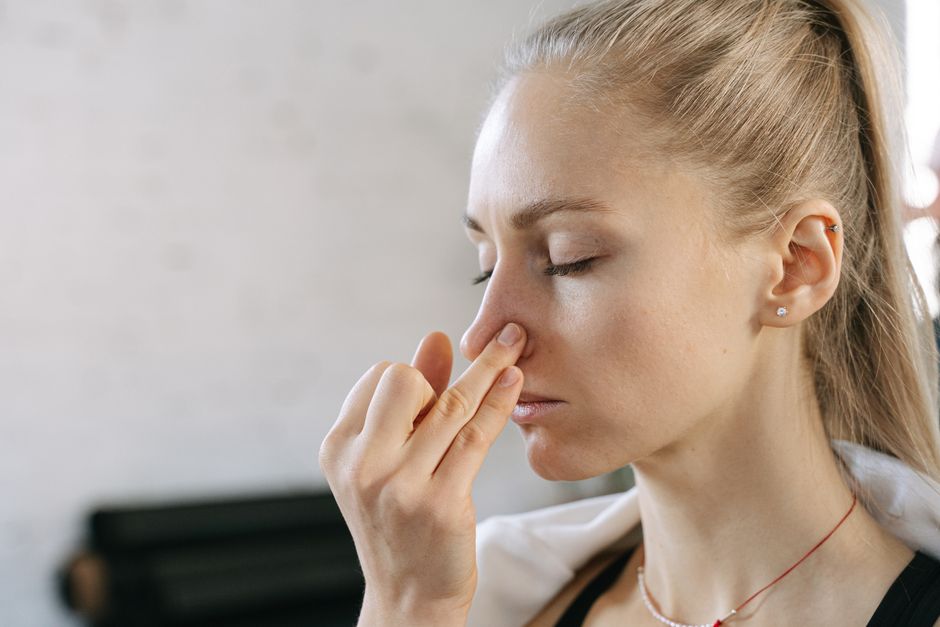
Sit up straight and lean your head slightly forward. Do not tilt your head back – that sends blood down your throat, which can cause nausea or choking. Pinch the soft part of your nose, just below the bony bridge, and hold it firmly for 10 to 15 minutes without releasing. Breathe through your mouth. You can put an ice pack on the bridge of your nose to help constrict blood vessels, though evidence for this is limited. Avoid blowing your nose for several hours after the bleeding stops to let the clot form.
How can you prevent nosebleeds?
Keep the inside of your nose moist. Use a saline nasal spray or a humidifier in your home, especially in dry rooms or during winter. Apply a thin layer of petroleum jelly just inside the nostrils with a clean cotton swab before bed. Avoid picking your nose or blowing it too forcefully. If you have allergies, treat them effectively to reduce inflammation. If you take blood thinners, talk to your doctor about whether any adjustments are appropriate – never change medication on your own. Trim your child’s fingernails if they are prone to nose picking.
What medical treatments are available for frequent nosebleeds?
If nosebleeds happen often and do not respond to home care, a doctor may recommend cauterization. This uses a chemical (silver nitrate) or heat to seal the bleeding blood vessel. It is a quick office procedure and usually effective. Another option is nasal packing, where a strip of gauze or a special sponge is placed inside the nose to apply pressure. Packing is more common for posterior bleeds. In some cases, doctors may use a balloon catheter or tie off the bleeding artery. For people on blood thinners, the underlying medication management needs review. No single treatment works for everyone, and the choice depends on the cause and severity.
Frequently Asked Questions
Can stress cause a nosebleed?
Stress itself does not directly cause nosebleeds, but it can raise blood pressure and lead to habits like nose rubbing or picking that can trigger bleeding.
Is it dangerous to swallow blood from a nosebleed?
Swallowing a small amount of blood is not dangerous, but it can irritate your stomach and cause nausea or vomiting. Leaning forward helps avoid swallowing blood.
Should I lie down during a nosebleed?
No, you should sit up and lean forward. Lying down increases blood flow to the head and can cause blood to run down your throat, which may lead to choking or upset stomach.
What causes nosebleeds at night while sleeping?
Dry air from heating or air conditioning is the main cause. Breathing through your mouth at night can also dry out the nasal lining, making it more likely to crack and bleed.
