
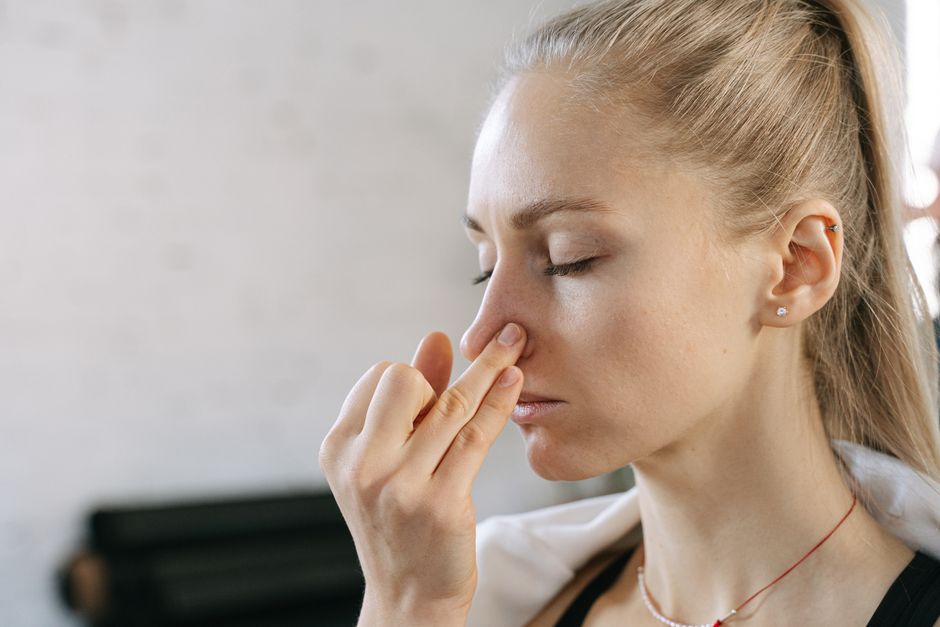
A nosebleed during pregnancy is usually caused by the normal hormonal and blood flow changes that come with pregnancy. Blood volume rises by roughly 45 to 50 percent by the third trimester, and pregnancy hormones relax and widen blood vessels. The lining inside the nose is packed with small, fragile vessels, so extra blood flow and extra pressure make it easier for them to break and bleed.
That is the short answer. The longer one explains why some pregnant women get nosebleeds often and others never do, what makes them more likely, and when a nosebleed is a sign of something that needs medical attention.
What Causes Nose Bleeding During Pregnancy?
Pregnancy increases the blood supply to every mucous membrane in the body, including the lining of the nose. This is a real, measurable change, not a minor side effect. Cardiac output rises significantly, and the tiny vessels in the nasal lining become more engorged with blood.
Two things happen as a result. First, the vessels in the nose sit closer to the surface and are stretched thinner. Second, the hormones of pregnancy, especially estrogen, affect the walls of blood vessels and make them more likely to dilate. The combination means a small bump, a dry day, or a hard sneeze can open a vessel that would normally stay intact.
This is why nosebleeds are considered a common and expected part of pregnancy. They are not a sign that something is wrong with your baby or with your health in most cases. They are a direct consequence of how pregnancy changes the circulatory system.
Why Are Nosebleeds More Common in Pregnancy Than at Other Times?
Blood volume in pregnancy increases by about 45 to 50 percent overall, and the plasma portion of blood increases more than the red blood cell portion. This extra fluid has to go somewhere, and it flows through a network of vessels that have been widened by pregnancy hormones.
The nasal lining is one of the most vascular tissues in the body relative to its size. It is designed to warm and moisten the air you breathe, which requires a dense blood supply. When that supply is boosted, the tissue becomes swollen and delicate. The medical term for this is pregnancy rhinitis, a stuffy or congested nose caused by pregnancy itself rather than infection or allergy.
Pregnancy rhinitis is common and often accompanies the increased tendency to nosebleeds. The swollen tissue is more easily irritated, and the vessels within it are under more pressure. This is a normal physiological response, not a disease.
What Makes Nosebleeds More Likely During Pregnancy?
Several everyday factors raise the chance of a nosebleed, and they matter more during pregnancy because the nasal lining is already vulnerable.
- Dry air. Heated indoor air in winter, air conditioning, and dry climates all dry out the nasal lining. Dry tissue cracks and the vessels underneath are exposed.
- Nose blowing and picking. Forceful blowing or picking at the nose can rupture the small vessels in the front of the nose, which is where most nosebleeds start.
- Allergies and colds. These cause swelling and irritation, and the medications used to treat them can dry the nose further.
- Nasal sprays. Decongestant sprays and some steroid sprays can irritate or dry the lining. Some clinicians advise caution with certain decongestants in pregnancy, so check with a pharmacist or clinician before using them.
- Blood-thinning medications. Some medicines, including certain over-the-counter pain relievers, affect clotting. Do not start or stop any medicine in pregnancy without asking a clinician.
- High blood pressure. Elevated blood pressure can make bleeding more likely and harder to stop. This is one reason persistent or heavy nosebleeds deserve a check.
There is a detail worth knowing. Most nosebleeds come from a small area at the front of the nose called Kiesselbach’s plexus, where several blood vessels meet. That area is easy to reach and easy to irritate, which is why the front of the nose is the usual source.


Are Nosebleeds a Sign of a Problem in Pregnancy?
In most cases, no. Occasional nosebleeds that stop within a few minutes are a normal effect of pregnancy and do not signal a complication.
There are situations where a nosebleed should prompt a call to a clinician. These include bleeding that lasts more than about 10 to 15 minutes despite pressure, bleeding that is very heavy or that runs down the back of the throat, repeated nosebleeds that are hard to stop, and nosebleeds accompanied by headache, vision changes, swelling, or a blood pressure reading that is high. Those combinations can be relevant to conditions like gestational hypertension or preeclampsia, and they warrant prompt medical assessment.
Nosebleeds on their own are not a recognized sign of preeclampsia. The concern is the combination of symptoms, not the nosebleed by itself. If you are unsure, call your clinician. That is always a reasonable step.
How Do You Stop a Nosebleed During Pregnancy?
The standard first aid for a nosebleed works the same way in pregnancy. Sit upright, lean slightly forward, and pinch the soft part of the nose just below the bony bridge. Breathe through your mouth and hold steady pressure for 10 to 15 minutes without checking.
Leaning forward matters. Tilting the head back lets blood run down the throat, which can cause nausea and makes it harder to judge whether the bleeding has stopped. Spit out any blood that reaches your mouth rather than swallowing it.
If pressure does not stop it, a cold pack or a cool cloth on the bridge of the nose can help. Some clinicians suggest a small amount of a saline nasal gel or a thin layer of petroleum jelly inside the nostrils to keep the lining moist, though the evidence for petroleum jelly specifically is limited. Saline sprays are generally considered low risk. Avoid decongestant sprays unless a clinician has approved them.
Once the bleeding stops, avoid blowing your nose, bending over, or lifting heavy things for a short while. These actions can restart a clot that has just formed.
Can You Prevent Nosebleeds in Pregnancy?
You cannot prevent the hormonal and blood volume changes that set the stage, but you can reduce the triggers that tip a vulnerable nose into bleeding.
- Keep indoor air moist with a humidifier, especially in heated rooms.
- Use a saline nasal spray or gel to keep the lining from drying out.
- Drink enough water. Hydration supports healthy mucous membranes.
- Blow your nose gently, one nostril at a time.
- Avoid picking or trimming nose hairs with sharp tools.
- Wear a scarf over your nose and mouth in cold, dry weather.
- Tell your clinician about any medicine you take, including over-the-counter products.
These steps are sensible and low risk. They are not guaranteed to stop nosebleeds entirely, because the underlying changes are part of pregnancy. But they can make episodes less frequent for many women.
When Should You See a Doctor About Nosebleeds in Pregnancy?
See a clinician if nosebleeds are frequent enough to interfere with daily life, if they are hard to stop, or if you lose enough blood to feel dizzy or weak. Also seek care if you have a nosebleed along with a severe headache, changes in vision, upper abdominal pain, sudden swelling of the face or hands, or a blood pressure reading that is high.
Those combined symptoms can point to a condition that needs medical attention. A nosebleed by itself usually does not. The distinction matters, and it is worth discussing with your clinician at a routine visit if you are prone to them.
Some women also develop iron deficiency anemia in pregnancy. Frequent or heavy nosebleeds can contribute to blood loss, so if you feel unusually tired or short of breath, mention it. Your clinician can check your blood counts if needed.
Frequently Asked Questions
Are nosebleeds normal during pregnancy?
Yes, occasional nosebleeds are a common and expected effect of pregnancy’s increased blood volume and hormonal changes. They usually stop with simple first aid and are not a sign of a complication on their own.
What causes nosebleeds in early pregnancy?
Blood volume and hormone levels begin rising early in pregnancy, and the nasal lining responds by becoming more engorged and fragile. Even in the first trimester, this can make the small vessels in the nose more likely to bleed.
Can nosebleeds during pregnancy be a sign of high blood pressure?
A nosebleed alone is not a reliable sign of high blood pressure. However, a nosebleed along with headache, vision changes, or swelling should be checked promptly by a clinician.
How long should a pregnancy nosebleed last?
Most stop within 10 to 15 minutes with steady pressure on the soft part of the nose. If bleeding continues beyond that despite correct pressure, seek medical care.
