
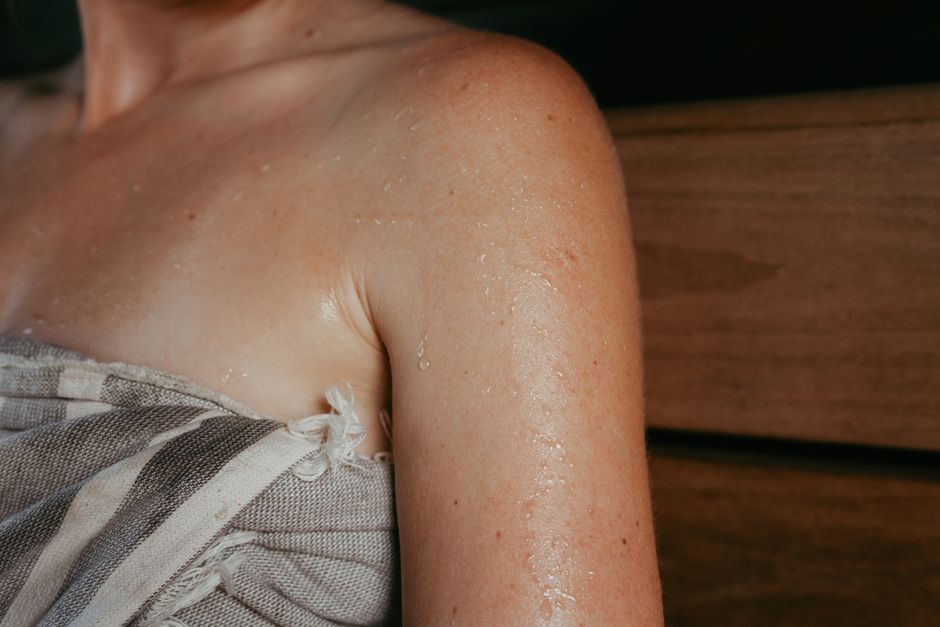
Night sweats in a 70-year-old woman are most often caused by hormonal changes, medication side effects, or an underlying medical condition. While hot flashes linked to menopause can persist for years, new or worsening night sweats at this age deserve a closer look. The most common culprits include medications—especially antidepressants and hormone therapy—along with infections, blood sugar drops, and thyroid problems. Less common but serious causes include certain cancers, so persistent night sweats should always be evaluated by a doctor.
What Causes Night Sweats In A 70 Year Old Woman?
Night sweats are episodes of heavy sweating during sleep that soak through clothing and sheets. They are different from feeling warm in bed or sweating because the room is too hot. True night sweats happen regardless of room temperature and often wake the person up.
In a 70-year-old woman, the cause is rarely just one thing. Medications are a leading trigger. Antidepressants, particularly selective serotonin reuptake inhibitors (SSRIs), cause night sweats in many people. Hormone therapy for breast cancer, including tamoxifen and aromatase inhibitors, also commonly causes them. Blood pressure medications, steroids, and some diabetes drugs can trigger sweating as well.
Infections are another important cause. Tuberculosis is classically associated with night sweats, but so are other chronic infections. Endocarditis, an infection of the heart valves, and osteomyelitis, a bone infection, both cause night sweats. These are less common but should be considered when sweating persists.
Hormonal shifts beyond menopause matter too. Thyroid disorders, particularly hyperthyroidism, increase metabolism and body temperature, leading to sweating. Blood sugar drops during the night, called nocturnal hypoglycemia, can also cause drenching sweats, especially in women taking diabetes medications.
When Should Night Sweats Worry You?
Most night sweats are not caused by cancer. However, certain types of lymphoma and leukemia do present with night sweats as an early symptom. The key is looking at the whole picture.
See a doctor promptly if night sweats come with any of these:
- Unexplained weight loss
- Persistent fever
- Swollen lymph nodes
- Cough that does not go away
- Fatigue that interferes with daily life
- Pain in a specific area that is new
These symptoms together with night sweats raise the concern for a more serious condition. On their own, night sweats are rarely a sign of cancer. But combined with other symptoms, they warrant an evaluation.
Night sweats that have lasted more than a few weeks without explanation also deserve medical attention. The doctor will take a full history, ask about all medications, and likely order blood tests. The evaluation is straightforward and usually starts with basic labs.
How Do Medications Trigger Night Sweats?
Many common medications affect the body’s temperature regulation center in the brain. The hypothalamus controls body temperature and sweating. Certain drugs change how neurotransmitters work in this region, which disrupts temperature control.
SSRI antidepressants are among the most frequently reported culprits. Studies show that a significant percentage of people taking these medications experience sweating as a side effect. The sweating can happen day or night, but it is more noticeable at night when the body is resting.
Other medications linked to night sweats include:
- Hormone therapy for breast cancer
- Steroids like prednisone
- Certain blood pressure medications
- Diabetes medications that lower blood sugar
- Opioid pain medications
- Some antibiotics
If a medication is causing night sweats, the doctor may adjust the dose or switch to an alternative. Never stop a prescribed medication without talking to your doctor first. Some medications, especially antidepressants, need to be tapered slowly to avoid withdrawal effects.



Is It Menopause Or Something Else?
Many women assume night sweats at 70 are just menopause continuing. This is partially true but not the whole story. Menopause itself is defined as the point one year after the final menstrual period. The average age for this is 51 or 52. But hot flashes and night sweats can continue for a decade or more after that point.
Research indicates that about 40 percent of women in their 60s still experience hot flashes. A smaller percentage continue into their 70s. So menopause-related night sweats at 70 are possible. But they should not be assumed without checking for other causes.
The distinction matters because the treatment differs. If menopause is the cause, hormone therapy or non-hormonal options like certain antidepressants at low doses can help. If a medication or medical condition is the cause, treating that underlying issue will resolve the sweating.
A doctor can help determine whether night sweats are menopausal or something else. Blood tests can check hormone levels, thyroid function, and blood sugar. The pattern of the sweats matters too. Menopausal hot flashes often come with a feeling of intense heat spreading through the upper body, followed by sweating and then chills.
What Medical Conditions Cause Night Sweats?
Several medical conditions beyond cancer and infection can cause night sweats. Understanding them helps narrow down the cause.
Thyroid disorders are a common and easily treatable cause. Hyperthyroidism, where the thyroid produces too much hormone, speeds up the metabolism. This raises body temperature and causes sweating. A simple blood test checks thyroid function.
Blood sugar issues can cause night sweats. When blood sugar drops too low during sleep, the body releases adrenaline to raise it back up. This surge of adrenaline causes sweating, rapid heartbeat, and sometimes nightmares. Women with diabetes who take insulin or sulfonylurea medications are at highest risk.
Autoimmune disorders like rheumatoid arthritis and lupus can cause night sweats as part of systemic inflammation. These conditions usually come with other symptoms like joint pain, rash, or fatigue.
Neurological conditions that affect the autonomic nervous system can disrupt sweating. Conditions like Parkinson’s disease or autonomic neuropathy can cause inappropriate sweating patterns.
Anxiety and stress trigger the same fight-or-flight response as low blood sugar. The body releases adrenaline, which raises heart rate and body temperature. For some people, nighttime anxiety causes drenching sweats.
Acid reflux is a less obvious cause. Some research suggests that reflux episodes during sleep can trigger sweating. The mechanism is not fully understood, but treating reflux sometimes resolves night sweats.
What Tests Should You Expect?
A doctor evaluating night sweats will start with a thorough history and physical exam. The history focuses on when the sweats started, how often they happen, and what other symptoms accompany them.
Blood tests typically include:
- Complete blood count to check for infection or anemia
- Thyroid function tests
- Fasting blood sugar
- Inflammatory markers like ESR or CRP
- Kidney and liver function tests
If the doctor suspects an infection, they may order specific tests like a chest X-ray for tuberculosis or blood cultures for endocarditis. If lymphoma is a concern, imaging studies like a CT scan might be ordered. But these are not routine first steps.
The evaluation is guided by symptoms. A woman with night sweats and a cough will get a chest X-ray. A woman with night sweats and joint pain will get autoimmune blood tests. The doctor works backward from the symptoms to the most likely cause.
What Can You Do At Home?
While waiting for a medical evaluation, some practical steps can reduce discomfort. These do not treat the underlying cause but make nights more manageable.
- Keep the bedroom cool, around 65-68 degrees Fahrenheit
- Use breathable cotton or moisture-wicking bedding
- Layer bedding so you can remove layers during the night
- Keep a change of pajamas by the bed
- Avoid spicy foods, caffeine, and alcohol in the evening
- Stay hydrated during the day
These measures help with comfort but do not address the cause. If a medication is responsible, no amount of cooling bedding will stop the sweating. The only effective treatment is addressing the underlying trigger.
Some women find that regular exercise helps regulate body temperature over time. But exercise close to bedtime can raise core body temperature and trigger sweating. Morning or early afternoon exercise is better.
Frequently Asked Questions
Can dehydration cause night sweats in elderly women?
Dehydration alone does not typically cause night sweats. However, dehydration can make the body less able to regulate temperature, which may worsen sweating from another cause.
Are night sweats a sign of heart problems in older women?
Night sweats are not a classic sign of heart disease. But sweating can occur during a heart attack, especially in women, and is usually accompanied by chest pain, shortness of breath, or nausea.
How long do menopausal night sweats last?
Most women experience hot flashes and night sweats for 7 to 10 years around menopause. Some women continue having them into their 70s, though they usually become less frequent and less intense over time.
What is the difference between hot flashes and night sweats?
Hot flashes are sudden feelings of heat that can happen any time of day. Night sweats are hot flashes that occur during sleep and cause enough sweating to soak clothing or sheets.
