
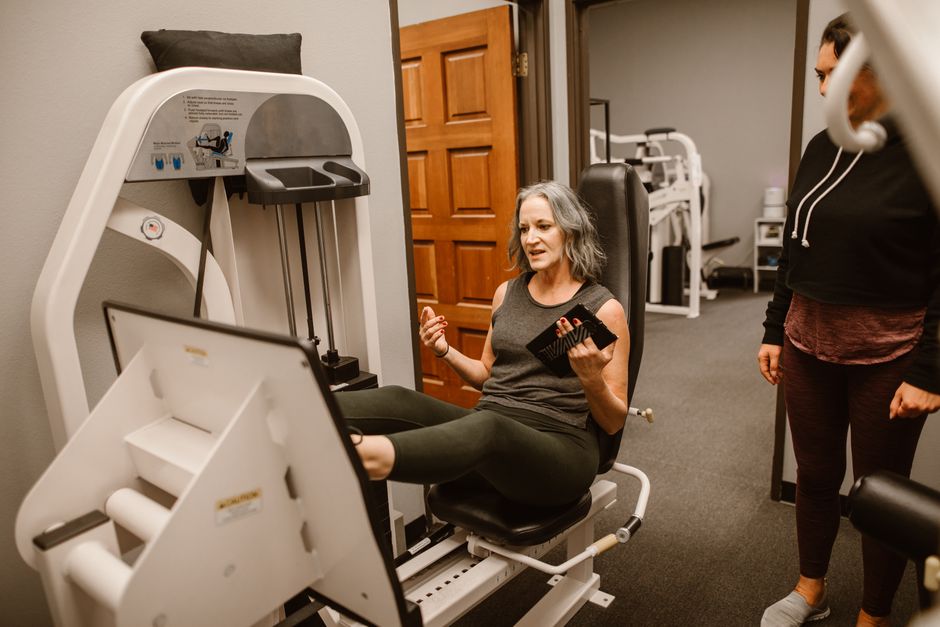
Muscle cramps happen when motor nerve cells fire faster than normal and the muscle fibers they control contract together, without a matching signal to relax. Electrolytes matter because calcium, magnesium, sodium, and potassium carry the electrical signals that start and stop that firing. Most everyday cramps come from a mix of nerve overactivity, fatigue, and shifts in fluid and electrolyte balance, not from one single cause.
What Causes Muscle Cramps Nerves Electrolytes More?
A cramp is a firing problem first. The muscle itself is doing what it was told. The question is why the nerve told it to keep going.
Nerves communicate with muscle at the neuromuscular junction, where a signal triggers calcium release inside the muscle fiber. That calcium is what actually makes the fiber contract. To relax, calcium has to be pumped back where it came from. Anything that keeps calcium hanging around, or keeps the nerve firing, tips the muscle toward a sustained contraction.
Electrolytes sit at the center of this. Calcium triggers contraction. Magnesium helps regulate calcium movement and nerve excitability. Potassium affects how easily nerve and muscle cells fire. Sodium and fluid balance set the environment all of this happens in.
When people ask what causes muscle cramps, the honest answer is usually several small things stacking up: a tired nerve, a muscle held in a shortened position, and a modest electrolyte or fluid shift. No single one of these is the whole story.
How Do Nerves Trigger a Muscle Cramp?
Motor nerve cells in the spinal cord control skeletal muscle. When they fire, the muscle contracts. Normally the signal stops, calcium is cleared, and the muscle relaxes.
A cramp happens when those motor nerve cells fire at a high rate and the relaxation step does not keep up. Researchers who study cramps have found that the abnormal signal originates in the nerve, not the muscle fiber itself. That is why cramps can sometimes be quieted by stretching the muscle, which increases tension on the nerve endings and helps settle the reflex.
Fatigue is a real factor. A muscle that has been working hard, or held in one position for a long time, has nerve endings that are more prone to firing when the muscle shortens. This helps explain why cramps cluster at night or after heavy exercise.
Which Electrolytes Actually Affect Cramping?
Calcium and magnesium have the clearest direct roles in muscle contraction and relaxation. Sodium and potassium matter for nerve signaling and fluid balance, but their link to ordinary exercise cramps is weaker than most people assume.
Here is the distinction that gets lost. A true electrolyte deficiency can cause cramps and muscle twitching. But most recreational exercise does not produce a large enough electrolyte loss to trigger that. Sweat does contain sodium and some potassium, and heavy sweating over hours can shift fluid balance, but the relationship between sweat losses and cramps is not as direct as sports drink marketing suggests.
Research on exercise-associated muscle cramps has repeatedly failed to show that athletes who cramp are more dehydrated or more depleted of electrolytes than those who do not. That does not mean electrolytes are irrelevant. It means the simple “you sweated out your salt” story is incomplete.
Does Low Magnesium or Low Calcium Cause Cramps?
Yes, when levels are genuinely low. This is well established. Low blood calcium increases nerve and muscle excitability and can produce cramps, twitching, and spasms. Low magnesium does something similar because magnesium helps regulate calcium entry into cells and calms nerve firing.
The important qualifier: these are clinical deficiencies, not mild dips in a healthy person eating a normal diet. Low magnesium from diet alone is uncommon in people with healthy kidneys, because the kidneys conserve magnesium efficiently.
Low magnesium is more likely with certain medications, heavy alcohol use, poorly controlled diabetes, and some digestive conditions that reduce absorption. Low calcium is more often tied to parathyroid problems, low vitamin D, kidney disease, or surgery in the neck region. These are medical situations, not everyday nutrition gaps.
This is where supplement marketing overreaches. Taking magnesium when your level is normal has not been shown in good trials to prevent ordinary cramps. Some studies suggest possible benefit in pregnancy-related leg cramps, but results vary and are not consistent enough to call it established.
Why Do Cramps Happen at Night or During Exercise?
Night cramps and exercise cramps share a common thread: a muscle held in a shortened position combined with a nerve that is more excitable than usual.
During sleep, the foot often points downward, which shortens the calf muscles. That position, held for a while, leaves the nerve endings primed to fire. Stretching the calf before bed is one of the few preventive measures with reasonable support for night cramps.
Exercise cramps tend to hit muscles that cross two joints, like the calf and the hamstring, especially when the muscle is worked in a shortened range. Fatigue builds, the nerve endings get twitchy, and the muscle contracts and does not let go.
Age matters too. Older adults lose some motor nerve cells over time, and the remaining nerves take over more muscle fibers. That reorganization can make the system more prone to cramping. Pregnancy, thyroid disease, kidney disease, diabetes, and some medications including diuretics and statins are all associated with more frequent cramps.
Do Electrolyte Drinks Prevent Cramps?
The evidence is weak for ordinary exercise cramps. Sports drinks replace fluid, sodium, and some carbohydrate, which helps with hydration and endurance. Preventing cramps is a different claim, and the trials do not strongly support it.
Pickle juice has been studied for cramp relief, and some research suggests it can shorten a cramp, possibly through a reflex triggered by the strong taste rather than by its electrolyte content. That is an interesting finding, but it is not the same as preventing cramps.
What does have better support for prevention:
- Stretching the affected muscle group regularly, especially before bed for night cramps
- Avoiding sustained positions that keep a muscle shortened
- Staying adequately hydrated during long or hot exercise
- Reviewing medications with a clinician if cramps are frequent and unexplained
For immediate relief, stretching the cramped muscle gently and holding it is the most reliable first step. It works by increasing tension on the nerve endings and helping the reflex settle.
When Should Frequent Cramps Be Checked by a Doctor?
Occasional cramps are common and usually harmless. Frequent, severe, or one-sided cramps deserve a medical look, especially if they come with weakness, numbness, or muscle wasting.
Some patterns are worth raising with a clinician:
- Cramps that are frequent, severe, or worsening over time
- Cramps with muscle weakness, loss of muscle bulk, or changes in sensation
- Cramps in someone with kidney disease, diabetes, thyroid disease, or liver disease
- Cramps that began after starting a new medication
- Cramps with swelling, color change, or pain that does not ease
These can point to nerve, metabolic, or circulation problems that need proper evaluation. Blood tests for calcium, magnesium, potassium, kidney function, and thyroid function are common first steps when a cause is not obvious.
One clarification worth keeping in mind: a cramp is not the same as a muscle spasm from a nerve injury, and it is not the same as restless legs. They can feel similar, but they have different mechanisms and different evaluations.
What Actually Helps With Muscle Cramps?
For most people, the practical tools are stretching, hydration, and paying attention to patterns. Those address the nerve and position side of cramps more reliably than electrolyte supplements do.
Electrolytes still matter, but mostly in specific situations: genuine deficiency, heavy prolonged sweating, illness with vomiting or diarrhea, and certain medications that shift electrolyte levels. In those cases, the fix is medical assessment, not a tub of powder.
The honest summary is that cramps are a nerve-firing problem with an electrolyte and fluid backdrop. Neither piece alone explains most cramps, and no single product fixes them. If cramps are frequent or unusual, get them checked rather than self-treating indefinitely.
Frequently Asked Questions
What is the main cause of muscle cramps?
The main cause is abnormal firing of motor nerve cells that control the muscle, which makes it contract without relaxing. Fatigue, muscle position, and electrolyte or fluid shifts can all make that firing more likely.
Can low electrolytes cause muscle cramps?
Yes, genuinely low calcium or magnesium can cause cramps and muscle twitching, and low potassium can affect nerve and muscle function. However, mild diet-related dips in healthy people are an uncommon cause of ordinary cramps.
Do electrolyte drinks stop cramps during exercise?
The evidence is weak for preventing ordinary exercise cramps. Sports drinks help with hydration and endurance, but trials have not consistently shown they prevent cramps.
When should I worry about frequent muscle cramps?
See a clinician if cramps are frequent, severe, or come with weakness, numbness, or muscle wasting. Cramps that start after a new medication or occur with kidney, thyroid, or liver disease also warrant evaluation.
