
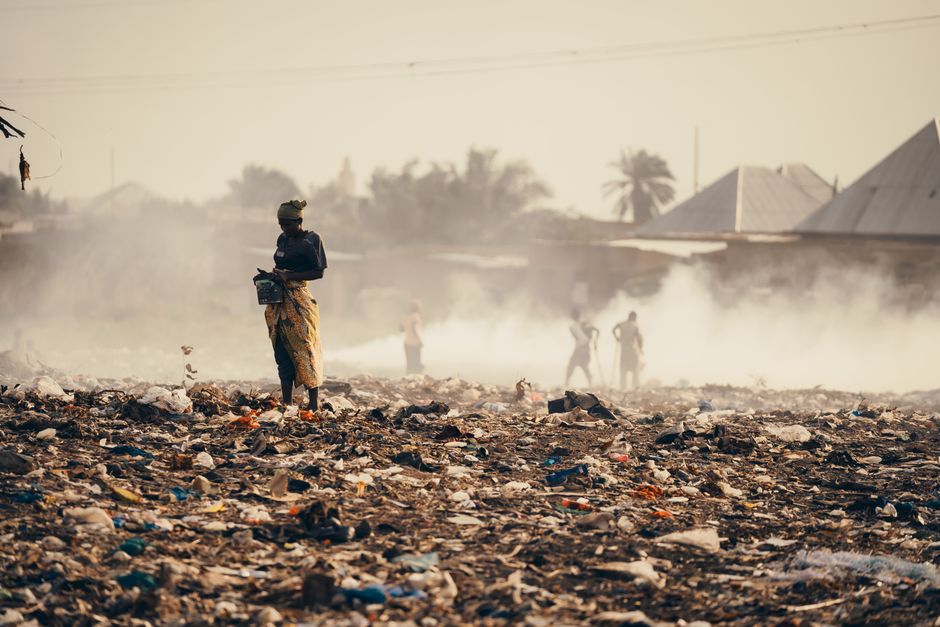
Most people picture smokestacks, traffic jams, or a plastic-filled ocean when they think about pollution. The single largest source is none of those. It is the burning of fossil fuels — coal, oil, and natural gas — for electricity, heat, industry, and transportation. That one activity drives the biggest share of outdoor air pollution and the greenhouse gas emissions warming the planet, and it feeds into water and soil contamination too.
This is not a fringe claim. The World Health Organization and the International Energy Agency both point to fossil fuel combustion as the dominant contributor to outdoor air pollution and global carbon emissions. Understanding why it ranks first — and how it connects to the other pollution people worry about — makes the whole picture clearer.
What Causes Most Pollution In The World?
Burning fossil fuels is the largest single cause of pollution worldwide. When coal, oil, and gas are burned, they release carbon dioxide, sulfur dioxide, nitrogen oxides, and fine particulate matter (called PM2.5) into the air. These are the pollutants most consistently linked to heart disease, stroke, lung cancer, and respiratory illness in global health data.
Fossil fuels are not just one source among many. They are the engine behind several at once:
- Electricity and heat production — coal and gas power plants are major emitters of both greenhouse gases and air pollutants.
- Industry — steel, cement, and chemical manufacturing burn enormous amounts of fuel.
- Transportation — cars, trucks, ships, and planes run mostly on petroleum products.
- Residential heating and cooking — in many regions, homes burn coal, wood, or gas directly.
The reason fossil fuels dominate is simple: they are energy-dense, cheap, and used almost everywhere. A single power plant or highway serves millions of people, so the pollution concentrates where people live and breathe.
How Does Fossil Fuel Burning Actually Pollute the Air?
Combustion is a chemical reaction, and it does not just produce energy. It produces waste. Burning a carbon-based fuel combines carbon with oxygen to form carbon dioxide. But fuels are not pure carbon. Coal and oil contain sulfur, nitrogen, and trace metals, and those become sulfur dioxide, nitrogen oxides, and particulate matter.
Fine particulate matter is the pollutant most directly tied to human harm. These particles are small enough to travel deep into the lungs and, in some cases, into the bloodstream. Research consistently links long-term exposure to PM2.5 with higher rates of cardiovascular and respiratory disease.
Ground-level ozone is another product, though an indirect one. Nitrogen oxides and volatile organic compounds react in sunlight to form ozone, which irritates airways and worsens asthma. This is why smog tends to be worst on hot, sunny days in traffic-heavy cities.
Is Air Pollution Worse Than Water and Plastic Pollution?
Air pollution causes more documented human deaths than any other type of pollution. The World Health Organization attributes millions of premature deaths each year to outdoor and household air pollution combined. That does not mean water and plastic pollution are minor — it means they operate on a different scale and timeline.
| Pollution type | Main source | Primary harm |
|---|---|---|
| Outdoor air | Fossil fuel combustion | Heart and lung disease, premature death |
| Household air | Burning wood, coal, or dung indoors | Respiratory illness, especially in women and children |
| Water | Agriculture runoff, untreated sewage, industry | Waterborne disease, ecosystem damage |
| Plastic | Consumer waste, fishing gear | Wildlife harm, microplastic contamination |
Plastic pollution gets more public attention than its death toll would suggest, while air pollution gets less. That gap is one of the more useful things to understand about how pollution is discussed. The visible problem and the deadliest problem are not the same problem.





What About Agriculture and Household Sources?
Agriculture is the largest source of water pollution in many countries. Fertilizer and manure runoff carry nitrogen and phosphorus into rivers and lakes, which fuels algal blooms. When those blooms die and decompose, they strip oxygen from the water, creating “dead zones” where fish cannot survive.
Household air pollution is a separate and serious category. Roughly a third of the world’s population cooks and heats with solid fuels like wood, crop waste, and coal, often indoors with poor ventilation. The WHO considers this one of the largest environmental health risks globally, with women and young children facing the highest exposure because they typically spend more time near the cooking area.
Agriculture also contributes to air pollution through ammonia from livestock and fertilizer, which reacts in the atmosphere to form fine particles. So farming shows up on both the air and water sides of the ledger.
Why Do Fossil Fuels Keep Winning?
Fossil fuels persist because they solve a hard problem: storing and delivering large amounts of energy on demand. Renewables like solar and wind produce electricity, but they are variable — the sun does not always shine and the wind does not always blow. Storing that energy at scale remains expensive, though costs have fallen sharply.
There is also an infrastructure lock-in. Power plants, pipelines, refineries, and vehicle fleets represent trillions of dollars of investment designed around fossil fuels. Replacing that system takes decades, not years, even when the technology exists.
This is why pollution is not simply a matter of individual choices. A person can drive less or use less electricity, but the dominant sources are industrial and systemic. Individual action matters at the margins; the bulk of the problem sits in how energy is produced and used at scale.
Does Cleaning Up Pollution Actually Help?
Yes, and there is strong historical evidence for it. When countries regulate fossil fuel emissions, air quality improves and health outcomes follow. The removal of lead from gasoline is one of the clearest examples — blood lead levels in the general population dropped dramatically after leaded fuel was phased out.
More recent examples point the same direction. Areas that have shut down coal plants or tightened vehicle emission standards have generally seen measurable drops in particulate matter and related health problems. The relationship is not perfectly linear, and results vary by region and policy design, but the direction is well established.
What is less certain is the pace. Air quality improvements can take years to show up in health statistics because the diseases linked to pollution — heart disease, lung cancer — develop slowly. The benefit is real; it is just delayed.
What Can Actually Reduce Pollution at Scale?
Shifting energy production away from fossil fuels is the highest-leverage change, according to most energy and health agencies. That means replacing coal and gas power with renewables, nuclear, or other low-carbon sources, and electrifying transportation and heating where feasible.
Other measures with solid support include:
- Tighter emission standards for vehicles and industry.
- Cleaner cooking fuels and better ventilation in homes that rely on solid fuels.
- Better treatment of sewage and limits on agricultural runoff.
- Reducing waste and improving recycling systems for plastics.
None of these is a complete solution on its own. The point is that the biggest gains come from targeting the biggest source — and that source is fossil fuel combustion, not the plastic straw in your drink.
Frequently Asked Questions
What is the number one cause of pollution in the world?
The burning of fossil fuels — coal, oil, and natural gas — is the largest single cause of pollution worldwide. It drives most outdoor air pollution and the majority of greenhouse gas emissions.
Is air pollution more harmful than plastic pollution?
Air pollution is linked to far more premature deaths each year than plastic pollution. Plastic pollution causes serious harm to wildlife and ecosystems, but its direct human health toll is smaller.
Why is fossil fuel pollution so hard to stop?
Fossil fuels are cheap, energy-dense, and built into nearly every part of the global economy. Replacing the infrastructure around them takes decades even when cleaner technology is available.
Does reducing pollution actually improve health?
Yes. When leaded gasoline was phased out, population blood lead levels fell sharply, and regions that cut coal use or tightened emission standards have generally seen measurable drops in particulate matter.
