
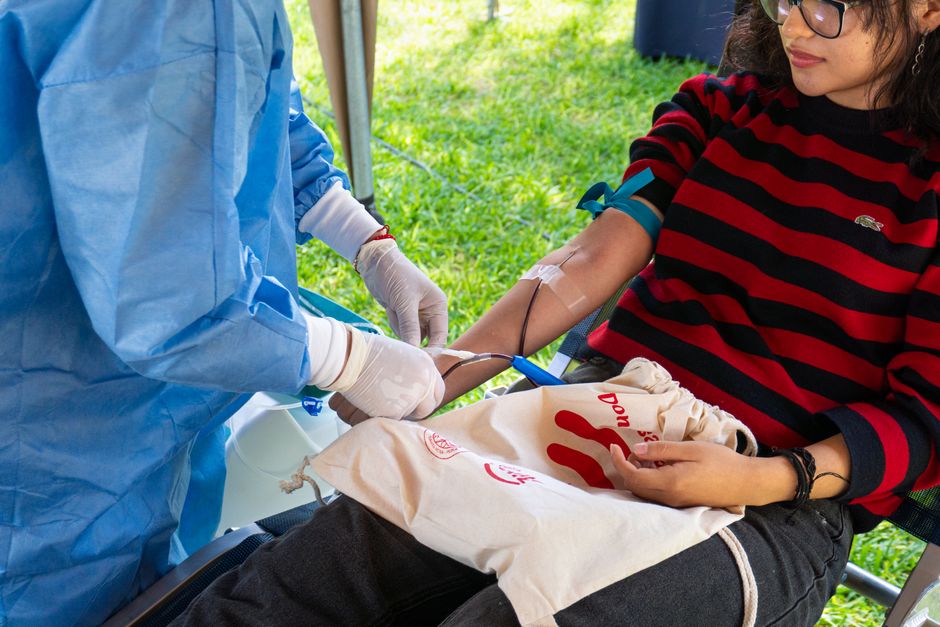
Platelets are tiny cell fragments in your blood that stick together to form clots and stop bleeding. A low platelet count, called thrombocytopenia, happens when your bone marrow makes too few platelets, when your body breaks them down or uses them up too fast, or when they get trapped in an enlarged spleen. Doctors diagnose it with a complete blood count and a blood smear, then look for the cause through history, exam, and sometimes a bone marrow test.
A normal platelet count runs roughly 150,000 to 450,000 per microliter of blood. When the number drops, the reasons range from harmless and temporary to serious. The count itself is a clue, not a diagnosis. What matters is why it fell.
What Causes Low Platelets And How Is It Diagnosed?
Low platelets have three broad causes: reduced production in the bone marrow, increased destruction or consumption in the bloodstream, and sequestration, which means platelets get trapped in the spleen. Most cases fit into one of these buckets, and figuring out which one you are in drives the entire diagnostic workup.
Reduced production happens when the bone marrow is not making enough platelets. Causes include viral infections, heavy alcohol use, certain medications, vitamin B12 or folate deficiency, and bone marrow disorders such as leukemia, myelodysplastic syndromes, or aplastic anemia. Some chemotherapy drugs suppress the marrow directly.
Increased destruction happens when platelets are cleared from the blood faster than they are made. Immune thrombocytopenia (ITP) is the classic example. In ITP, the immune system mistakenly targets platelets for destruction. Other causes include certain infections, drug reactions, and pregnancy-related changes. Blood thinners like heparin can trigger a serious immune reaction called heparin-induced thrombocytopenia, though this is uncommon.
Consumption is different from immune destruction. Here platelets get used up forming clots in small blood vessels. This happens in conditions like disseminated intravascular coagulation (DIC), thrombotic thrombocytopenic purpura (TTP), and hemolytic uremic syndrome (HUS). These are uncommon but serious.
Sequestration means platelets pool in an enlarged spleen. Liver disease with portal hypertension and certain blood cancers can enlarge the spleen, and a larger spleen holds more platelets. This is a storage problem, not a production or destruction problem.
Diagnosis starts with the basics. A complete blood count confirms the platelet number. A blood smear lets a specialist look at the platelets directly and check for clumping, which is a lab artifact that can falsely lower the count. History and physical exam look for bleeding, bruising, medications, alcohol use, infections, and signs of liver or spleen problems. Depending on what turns up, doctors may order clotting tests, liver tests, viral screening, or a bone marrow biopsy. No single test identifies every cause.
What Symptoms Do Low Platelets Cause?
Many people with mildly low platelets have no symptoms at all. The count often turns up on a routine blood test. Symptoms tend to appear when the count falls further, though the threshold varies from person to person.
When bleeding does happen, it usually shows up in the skin and mucous membranes first. Common signs include:
- Easy bruising, sometimes without a clear injury
- Petechiae, which are tiny flat red or purple dots, often on the legs
- Nosebleeds that are hard to stop
- Bleeding gums when brushing teeth
- Heavier or longer menstrual periods
- Blood in stool or urine
Serious internal bleeding is less common but possible at very low counts. Danger signs include blood in vomit, black tarry stools, severe headache, confusion, or bleeding that will not stop. These need urgent medical attention.
One point worth knowing: symptoms do not track the number perfectly. Some people bruise easily at counts that leave others symptom-free. Doctors weigh the number alongside symptoms and the underlying cause.
How Low Is Dangerous?
There is no single cutoff that defines danger, but general ranges guide clinical thinking. A count between 100,000 and 150,000 is mildly low. Between 50,000 and 100,000 is moderate. Below 50,000 raises the risk of bleeding with injury or surgery. Below 20,000 raises the risk of spontaneous bleeding. Below 10,000 is considered severe.
These ranges are guides, not rules. A person with a count of 30,000 from a stable cause may do fine, while someone with the same count and a rapidly falling number needs closer attention. The trend matters as much as the single value.
Doctors also consider the cause. A low count from ITP behaves differently than one from bone marrow failure or DIC. Procedures like surgery or dental work carry different bleeding risks at the same number depending on the situation.
Which Medications and Conditions Lower Platelets?
Many medications can lower platelet counts, and the list is long. Common culprits include certain antibiotics, seizure medications, blood thinners, and some over-the-counter pain relievers. Not every person on these drugs develops low platelets, and confirming a drug as the cause can be difficult.
Health conditions linked to low platelets include:
- Viral infections such as hepatitis C, HIV, and Epstein-Barr virus
- Heavy alcohol use
- Liver disease and enlarged spleen
- Autoimmune conditions like lupus
- Pregnancy, especially in the later stages
- Blood cancers and bone marrow disorders
- Vitamin B12 or folate deficiency
Sometimes a low count is a clue to something else going on. That is why a single abnormal result usually leads to repeat testing and a broader look rather than immediate treatment.
How Is Low Platelet Count Treated?
Treatment depends entirely on the cause and the count. Mild cases with no bleeding often need only monitoring. The approach is not one-size-fits-all, and what works for one cause may be wrong for another.
When a medication is suspected, stopping it may be the first step, but only under a doctor’s guidance. Never stop a prescribed drug on your own. For immune thrombocytopenia, doctors may use steroids or other immune-modulating treatments. For severe bleeding, platelet transfusions can raise the count quickly, though they are used carefully because transfused platelets do not last long and repeated use can reduce their effectiveness.
Treating the underlying condition matters most. Managing liver disease, correcting a vitamin deficiency, or treating an infection can restore platelets without any direct platelet therapy. In some cases, removing the spleen is considered, but this is a significant step reserved for specific situations.
Some clinicians recommend avoiding aspirin and other drugs that affect clotting when counts are low, but this decision depends on the individual and the reason for the medication. No universal rule applies to everyone.
When Should You See a Doctor?
See a doctor if you notice unexplained bruising, tiny red dots on your skin, frequent nosebleeds, bleeding gums, or blood in your urine or stool. A routine blood test showing a low platelet count also warrants follow-up, even without symptoms.
Seek emergency care for bleeding that will not stop, blood in vomit, black or tarry stools, a sudden severe headache, or confusion. These can signal serious internal bleeding.
Most low platelet counts are not emergencies, and many turn out to be temporary or easily explained. But the cause matters, and only testing can sort that out. Do not assume a low number is harmless, and do not panic either. Get it checked, ask what the cause might be, and follow through on repeat testing if your doctor recommends it.
Frequently Asked Questions
Can low platelets be caused by stress?
Stress alone is not a recognized direct cause of low platelets. Some conditions linked to stress, like severe illness, can affect platelet counts, but stress by itself is not a known cause.
What is the most common cause of low platelets?
There is no single most common cause, because it depends on the population. In general medical practice, infections, medications, and liver disease are frequent causes, while immune thrombocytopenia is a common cause of isolated low platelets.
Can low platelets be fixed with diet?
Diet can help only if a deficiency like vitamin B12 or folate is the cause. No food or supplement raises platelets directly in people whose low count comes from other causes.
Do low platelets always mean cancer?
No. Most low platelet counts are not cancer. Blood cancers are one possible cause, but infections, medications, immune conditions, and liver disease are far more common explanations.
