
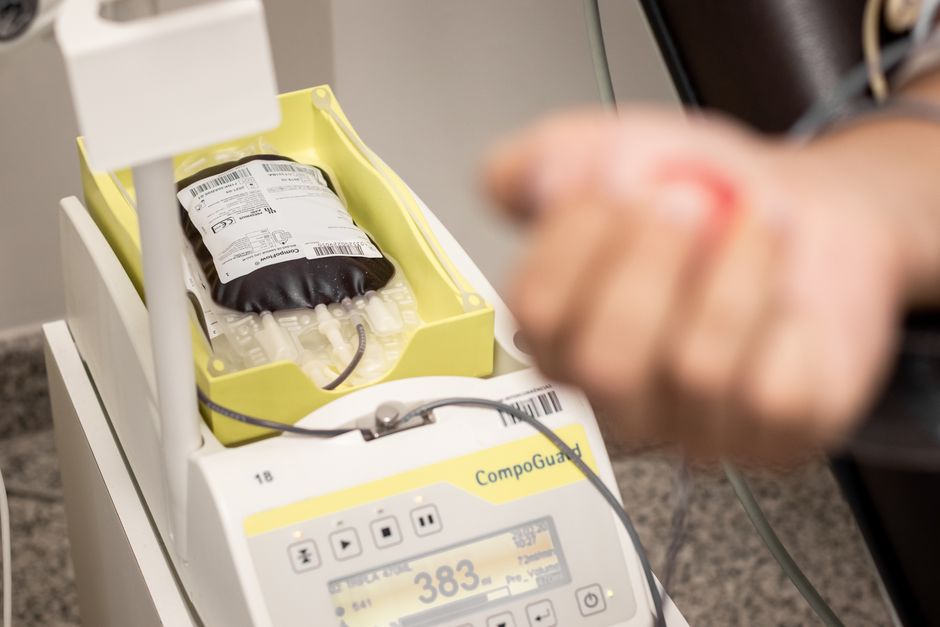
Low plasma volume means your blood has less liquid portion than it should. This liquid, called plasma, carries blood cells, nutrients, and hormones throughout your body. When plasma volume drops, blood becomes thicker and the heart has to work harder to pump it. The most common causes are dehydration, blood loss, and certain medical conditions. Treatment depends entirely on what caused the drop in the first place. Replacing fluids and addressing the underlying condition are the two main goals.
What Exactly Is Plasma and Why Does Its Volume Matter?
Blood is made of two main parts: cells and plasma. The cells are red blood cells, white blood cells, and platelets. Plasma is the straw-colored liquid that carries them. About 55 percent of your blood volume is plasma.
Plasma is mostly water — roughly 92 percent. The rest is proteins, glucose, electrolytes, and waste products. These components do critical work. Plasma proteins like albumin help keep fluid inside blood vessels. Electrolytes like sodium and potassium keep nerves and muscles firing correctly. When plasma volume falls, every one of these systems feels the effect.
Your body tightly regulates blood volume. Kidneys control how much water you retain or release. Hormones like aldosterone and antidiuretic hormone (ADH) fine-tune this process. When plasma volume drops too low, your body responds by constricting blood vessels and increasing heart rate. These are emergency measures to keep blood flowing to vital organs.
What Causes Low Plasma Volume?
Low plasma volume has three main categories of causes: fluid loss, fluid shifting, and reduced fluid intake. Many conditions can trigger one or more of these pathways.
Dehydration is the most common cause. You lose water through sweat, urine, and breathing. If you do not replace that water, plasma volume falls. Severe diarrhea and vomiting cause rapid fluid loss. Fever increases fluid loss through sweating. High-intensity exercise in hot weather can deplete fluids quickly.
Blood loss directly reduces plasma volume. Trauma and surgical procedures are obvious examples. Internal bleeding from ulcers, gastrointestinal conditions, or ruptured blood vessels also counts. Even moderate blood loss can trigger symptoms if it happens quickly.
Burns cause a different kind of fluid loss. Damaged skin loses its ability to keep fluid inside the body. Large burns can cause massive plasma loss through the wound surface. This is why burn patients need aggressive fluid replacement.
Kidney disease can cause low plasma volume through excessive urine output. Conditions like diabetes insipidus prevent the kidneys from concentrating urine properly. The result is large volumes of dilute urine and falling plasma volume.
Third-space fluid shifting is a less obvious cause. In some conditions, fluid moves out of blood vessels and into body tissues. Severe pancreatitis, liver failure, and some allergic reactions cause this shift. The fluid is still in the body, but it is not in the bloodstream where it belongs.
Medications can contribute to low plasma volume. Diuretics, often called water pills, increase urine output. Some blood pressure medications work by reducing blood volume. If doses are too high, plasma volume can drop to problematic levels.
What Are the Symptoms of Low Plasma Volume?
Symptoms range from mild to life-threatening. The severity depends on how much volume was lost and how quickly.
Mild cases cause thirst, dry mouth, and darker urine. You might feel slightly dizzy when standing up quickly. Urine output decreases as the body tries to conserve water.
Moderate cases add fatigue, weakness, and confusion. Heart rate increases as the heart works harder to circulate thicker blood. Blood pressure drops, especially when standing. Skin loses elasticity — if you pinch it, it returns to place slowly.
Severe cases are medical emergencies. Confusion progresses to lethargy. Blood pressure falls dangerously low. Kidneys stop producing urine as they shut down from poor blood flow. Without treatment, this can lead to shock and organ failure.
The speed of onset matters. A slow, gradual drop in plasma volume may produce few symptoms until it becomes severe. The body adapts. A rapid drop, like from sudden blood loss, causes dramatic symptoms almost immediately.





How Is Low Plasma Volume Diagnosed?
Doctors use several methods to assess plasma volume. No single test measures it directly in most clinical settings. Instead, doctors look at a combination of signs and lab values.
Vital signs provide the first clues. Low blood pressure and high heart rate suggest volume depletion. Orthostatic vital signs are particularly useful. The doctor measures blood pressure and heart rate while you lie down, then again after standing. A significant drop in blood pressure or rise in heart rate upon standing indicates volume depletion.
Blood tests give more detailed information. A complete blood count shows whether red blood cells are concentrated. When plasma volume falls, the ratio of cells to liquid rises. This is called hemoconcentration. Basic metabolic panel results show kidney function and electrolyte levels. Blood urea nitrogen and creatinine levels often rise when blood flow to the kidneys is reduced.
Urine tests help distinguish causes. Dark, concentrated urine suggests dehydration. Dilute urine despite low plasma volume points to kidney problems or diabetes insipidus. Urine sodium levels help doctors determine whether the kidneys are responding appropriately to volume depletion.
How Is Low Plasma Volume Treated?
Treatment has two parts: restore volume and address the cause. Both matter. Replacing fluid without treating the underlying problem leads to repeat episodes.
Oral rehydration works for mild to moderate dehydration. Water alone is not always enough. Electrolytes, especially sodium, help the body retain the fluid you drink. Oral rehydration solutions contain the right balance of water, salt, and sugar. Sports drinks work for mild cases but contain more sugar than medically necessary.
Intravenous fluids are needed for moderate to severe cases. IV fluids deliver water and electrolytes directly into the bloodstream. This bypasses the digestive system entirely. Doctors choose from several types of IV fluid depending on the situation. Normal saline, which is salt water, is the most common. Lactated Ringer’s solution contains additional electrolytes closer to blood composition.
Blood products treat low plasma volume caused by blood loss. Packed red blood cells restore oxygen-carrying capacity. Fresh frozen plasma and albumin replace plasma proteins. Platelets may be needed if clotting is impaired. The choice depends on what the patient lost and what their lab tests show.
Treating the underlying cause prevents recurrence. Stopping the medication causing excessive urination. Controlling diarrhea. Managing the disease that causes fluid shifting. Surgery to stop internal bleeding. This step is essential for lasting recovery.
Severe cases require hospital care. Patients may need continuous monitoring of blood pressure, heart rate, urine output, and lab values. Fluid replacement is adjusted based on these measurements. The goal is to restore adequate blood flow to organs without overloading the heart and lungs.
Can Low Plasma Volume Be Prevented?
Prevention works best when you understand your own risk factors. Staying hydrated is the foundation. Thirst is not always a reliable indicator, especially in older adults. Urine color is a practical guide — pale yellow indicates adequate hydration, dark yellow suggests you need more fluids.
People taking diuretics need regular monitoring. Blood tests track electrolyte levels and kidney function. Dose adjustments happen when lab values drift outside normal ranges.
Athletes and outdoor workers in hot climates need extra attention to fluid intake. Sweat losses can be substantial. Weighing yourself before and after exercise helps estimate fluid needs. Each pound lost during exercise corresponds to roughly 16 ounces of fluid needed.
Older adults face higher risk. The sense of thirst diminishes with age. Kidney function declines. Medications are more common. These factors combine to make dehydration more likely and harder to recognize.
When Should You Seek Emergency Care?
Some symptoms require immediate medical attention. Do not wait to see if they improve on their own.
Fainting or near-fainting is a red flag. So is confusion that does not resolve with rest. Chest pain or palpitations with other dehydration symptoms warrant urgent evaluation. No urine output for more than eight hours signals significant volume depletion. Blood in vomit or stool always requires immediate medical evaluation.
These symptoms can indicate hypovolemic shock, a condition where low blood volume prevents organs from getting enough oxygen. This is a medical emergency that requires hospital treatment. Delaying care increases the risk of permanent organ damage.
Frequently Asked Questions
Can drinking too much water cause low plasma volume?
Drinking excessive water dilutes plasma but does not usually reduce total volume. The bigger risk is low sodium levels, called hyponatremia, which can cause brain swelling in severe cases.
How long does it take to recover from low plasma volume?
Mild cases improve within hours of oral rehydration. Moderate to severe cases may take days of IV fluids and treatment of the underlying cause before symptoms fully resolve.
Is low plasma volume the same as anemia?
No. Anemia means low red blood cell count. Low plasma volume means low liquid portion of blood. Both reduce blood’s ability to deliver oxygen, but the causes and treatments differ.
What does low plasma volume feel like?
Most people describe feeling thirsty, dizzy, and unusually tired. Standing up quickly may cause lightheadedness. Urine becomes darker and less frequent than normal.
