
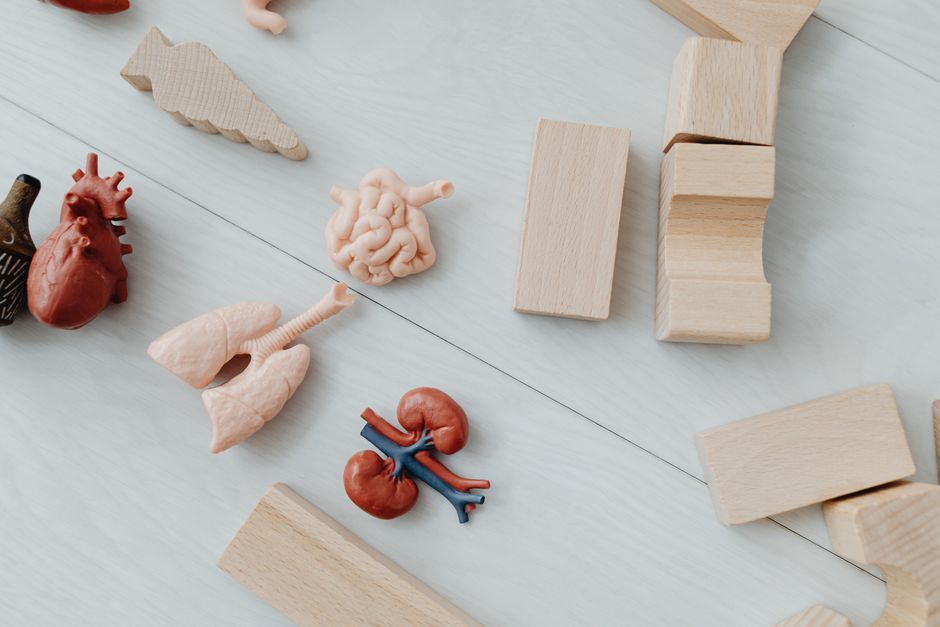
Kidneys filter waste from your blood around the clock. Over time, that filtering system can quietly lose capacity. The most common cause of low kidney function over time is diabetes, followed closely by high blood pressure. Together, these two conditions account for the majority of chronic kidney disease cases in the United States. Other causes include glomerular diseases, repeated kidney damage, certain medications, and inherited conditions like polycystic kidney disease.
What makes kidney decline tricky is its silence. You can lose a significant portion of kidney function before feeling anything unusual. That is why understanding the root causes matters more than watching for symptoms.
What Causes Low Kidney Function Over Time?
Chronic kidney disease means kidney damage or reduced filtering ability that has persisted for at least three months. The damage accumulates slowly, often over years or decades. The mechanisms differ by cause, but they share a common endpoint: nephrons, the tiny filtering units inside each kidney, get destroyed and replaced with scar tissue.
Each kidney contains about a million nephrons. When some are damaged, the remaining ones compensate by filtering harder. That works for a while. Eventually, the extra workload damages the healthy nephrons too. This is why kidney disease tends to progress even after the original trigger is controlled.
The leading root causes include:
- Diabetes — the single most common cause of kidney failure in the US
- High blood pressure — both a cause and a consequence of kidney damage
- Glomerulonephritis — inflammation of the kidney’s filtering structures
- Polycystic kidney disease — an inherited condition causing cysts to form in the kidneys
- Repeated acute kidney injury — especially from severe illness or surgery
- Urinary tract obstruction — such as enlarged prostate or kidney stones
- Certain medications — particularly long-term use of some pain relievers
How Does Diabetes Damage the Kidneys?
Chronic high blood sugar damages the small blood vessels inside the kidneys. The filtering units, called glomeruli, are essentially tiny balls of capillaries. When blood sugar stays elevated, these vessels become damaged and start leaking protein into the urine.
The damage unfolds in stages. Early on, the kidneys may actually filter faster than normal — a stage called hyperfiltration. Over years, the glomeruli become scarred and filtering slows. This is why diabetes-related kidney disease can go unnoticed for a long time.
Protein in the urine, called albuminuria, is often the first measurable sign. A simple urine test can detect it. Controlling blood sugar and blood pressure slows this progression. Research consistently shows that tight glucose control reduces the risk of developing kidney disease in people with diabetes, though it cannot reverse damage already done.
Why Does High Blood Pressure Harm the Kidneys?
High blood pressure damages the small blood vessels throughout the body, and the kidneys are especially vulnerable because they are dense with tiny vessels. When the pressure stays elevated, the vessel walls thicken and stiffen. This reduces blood flow to the filtering units and causes scarring.
The relationship runs both ways. Kidney disease raises blood pressure because damaged kidneys struggle to regulate salt and fluid balance. So high blood pressure can cause kidney damage, and kidney damage can worsen high blood pressure. Breaking this cycle is a central goal of treatment.
Blood pressure below 120/80 mmHg is considered normal. Persistent readings of 130/80 mmHg or higher meet the criteria for hypertension under current American Heart Association and American College of Cardiology guidelines. Keeping blood pressure in a healthy range is one of the most effective ways to protect kidney function.





What Other Conditions Damage Kidneys Over Time?
Diabetes and high blood pressure dominate, but several other conditions cause gradual kidney decline. Knowing them helps because some are treatable or manageable when caught early.
Glomerulonephritis refers to inflammation of the glomeruli. It can be triggered by infections, autoimmune diseases like lupus, or occur on its own. Some forms progress slowly and are only found through urine testing.
Polycystic kidney disease is an inherited disorder. Fluid-filled cysts grow in the kidneys and gradually replace normal tissue. It is one of the most common inherited kidney diseases and typically becomes apparent in adulthood.
Obstruction from an enlarged prostate, kidney stones, or structural problems can block urine flow. Backpressure over time damages kidney tissue. Relieving the obstruction often stops the damage from worsening.
Repeated acute kidney injury matters more than many people realize. Each episode of sudden kidney stress — from severe dehydration, surgery, or serious infection — can leave lasting scars. Several episodes add up.
Certain medications can contribute. Long-term use of nonsteroidal anti-inflammatory drugs, or NSAIDs, has been linked to kidney damage, especially in people already at risk. This includes common over-the-counter pain relievers like ibuprofen and naproxen. Anyone with existing kidney concerns should talk to a clinician before regular use.
How Does Kidney Function Decline Progress?
Kidney function is measured by the glomerular filtration rate, or GFR, estimated from a blood test for creatinine. A normal eGFR is generally above 90 mL/min/1.73 m². Chronic kidney disease is staged by how far that number falls.
| Stage | eGFR (mL/min/1.73 m²) | What It Means |
|---|---|---|
| Stage 1 | 90 or above with kidney damage | Normal filtering, but signs of damage present |
| Stage 2 | 60–89 with kidney damage | Mildly reduced filtering |
| Stage 3a | 45–59 | Mild to moderate reduction |
| Stage 3b | 30–44 | Moderate to severe reduction |
| Stage 4 | 15–29 | Severe reduction |
| Stage 5 | Below 15 | Kidney failure; treatment options include dialysis or transplant |
These stages come from established clinical guidelines used widely in practice. The rate of decline varies enormously between people. Some stay stable for years. Others progress faster. Blood pressure control, blood sugar control, and avoiding kidney stressors strongly influence the pace.
Can You Prevent Low Kidney Function?
Much of the risk is modifiable, which is the encouraging part. The steps that protect the heart and blood vessels also protect the kidneys. Research consistently supports these measures for people at risk.
- Keep blood sugar in target range if you have diabetes
- Maintain healthy blood pressure
- Stay adequately hydrated without overdoing it
- Avoid routine long-term NSAID use unless a clinician advises it
- Get kidney function checked if you have diabetes, high blood pressure, or a family history of kidney disease
- Avoid smoking, which accelerates blood vessel damage
Testing matters because early kidney disease has no symptoms. A blood test for creatinine and a urine test for protein can catch problems years before symptoms appear. People with diabetes or high blood pressure are generally advised to have kidney function checked regularly.
One point worth clarifying: drinking extra water beyond thirst does not “flush” or protect the kidneys in any proven way. Staying hydrated is reasonable, but there is no evidence that forcing large amounts of water improves kidney health.
When Should You See a Doctor?
See a clinician if you have diabetes, high blood pressure, or a family history of kidney disease, since these raise your risk and warrant regular monitoring. Symptoms like swelling in the legs or ankles, foamy urine, persistent fatigue, or changes in urination frequency can signal kidney problems, but they usually appear only after significant damage has occurred.
Do not wait for symptoms. The absence of symptoms does not mean the kidneys are healthy. Early detection through simple blood and urine tests is the most reliable way to catch decline while there is still time to slow it.
Frequently Asked Questions
What is the most common cause of kidney disease?
Diabetes is the most common cause of chronic kidney disease and kidney failure in the United States. High blood pressure is the second leading cause.
Can low kidney function be reversed?
Established chronic kidney damage generally cannot be reversed, but progression can often be slowed significantly with blood pressure and blood sugar control. Early detection gives the best chance of preserving remaining function.
What are the first signs of kidney problems?
Early kidney disease usually has no symptoms and is found through blood and urine tests. When symptoms do appear, they may include swelling, foamy urine, and fatigue, but these typically signal more advanced disease.
Does drinking more water improve kidney function?
No clinical evidence shows that drinking extra water beyond normal thirst improves kidney function in people with healthy kidneys. Staying adequately hydrated is reasonable, but forcing large amounts has no proven benefit.
