
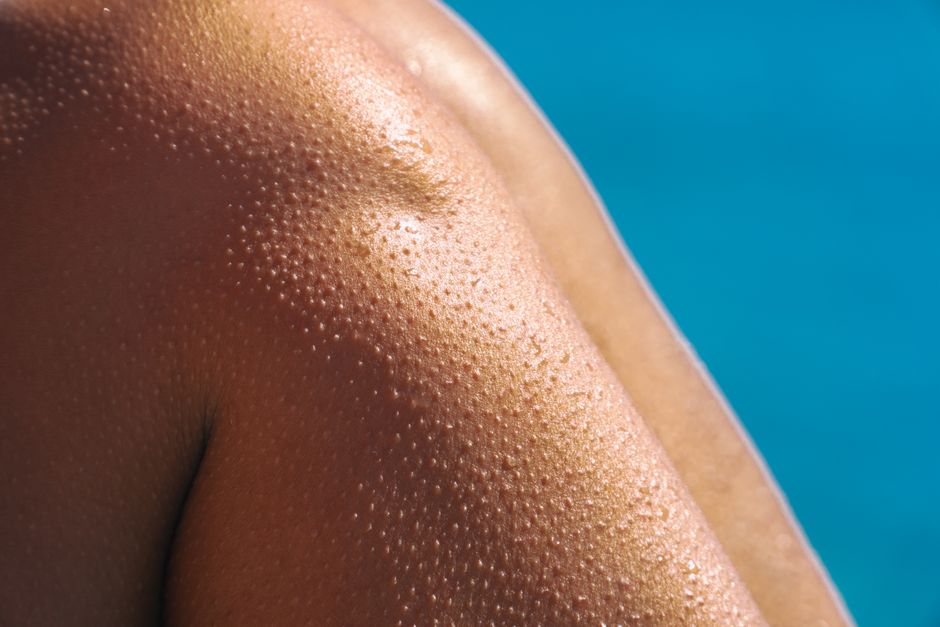
Feeling drained, dizzy, or nauseated when everyone else seems fine in warm weather is more common than many people realize. Low heat tolerance happens when your body struggles to balance heat production and heat loss. The main causes include medications, thyroid problems, poor fitness, dehydration, excess body weight, and medical conditions that affect sweating or blood flow. Management focuses on cooling strategies, hydration, gradual heat acclimation, and treating any underlying cause with a doctor.
How Does The Body Normally Handle Heat?
Your body has a remarkably precise cooling system. When core temperature rises, blood vessels near the skin widen to move heat outward, and sweat glands release fluid that cools you as it evaporates. This process is controlled largely by the hypothalamus, a small region in the brain that acts as a thermostat.
When this system works well, core temperature stays close to 98.6°F (37°C) even in hot conditions. When any part of the chain breaks down — blood flow, sweating, hydration, or brain signaling — heat builds up faster than the body can release it. That gap is what people experience as low heat tolerance.
It is worth understanding that heat intolerance is a symptom, not a diagnosis. It points to something else going on. Finding that something is the first step toward managing it.
What Causes Low Heat Tolerance And How To Manage It?
Low heat tolerance has many possible causes, and most people have more than one contributing factor. The most common categories are medications, hormonal conditions, cardiovascular fitness, body weight, dehydration, and disorders that affect sweating.
Medications
Several classes of prescription drugs interfere with the body’s ability to regulate temperature or sweat. These include:
- Anticholinergic drugs (used for allergies, bladder control, and some psychiatric conditions) — these reduce sweating
- Stimulants (including ADHD medications) — these raise body temperature and metabolic rate
- Beta-blockers — these can blunt the heart rate response needed to move heat to the skin
- Some antidepressants — certain types affect sweating and temperature regulation
- Diuretics — these increase fluid loss and can lead to dehydration
If you take any of these and notice heat intolerance, speak with your prescribing doctor. Do not stop a medication on your own. In many cases, dose adjustment or switching to an alternative helps.
Thyroid And Hormonal Conditions
An overactive thyroid (hyperthyroidism) speeds up metabolism and increases heat production. People with this condition often feel hot when others are comfortable. It is one of the most well-established medical causes of heat intolerance.
Hormonal changes during perimenopause and menopause can also affect temperature regulation. Hot flashes and night sweats are common during this transition. The exact mechanisms involve changes in the hypothalamus’s sensitivity to shifting estrogen levels, though the full picture is still being studied.
Cardiovascular Fitness And Body Weight
Physical fitness affects how efficiently your heart, lungs, and blood vessels move heat away from your core. People with lower cardiovascular fitness tend to reach their heat limit sooner during activity. Excess body weight increases insulation and the metabolic work required to move, which raises heat production.
This does not mean everyone who feels heat-sensitive is unfit or overweight. It means these are contributing factors that can be improved over time with gradual training and medical guidance.
Dehydration
When you are dehydrated, you have less fluid available to produce sweat. Sweating is your primary cooling mechanism in hot conditions. Even mild dehydration can noticeably reduce heat tolerance. This is one of the most fixable causes.
Medical Conditions That Affect Sweating
Some people have a reduced ability to sweat due to skin conditions, nerve damage, or rare genetic disorders. Anhidrosis (the inability to sweat) and hypohidrosis (reduced sweating) are serious because they remove the body’s main cooling tool. These require medical evaluation.
Other Contributing Factors
- Poor sleep — affects the body’s ability to regulate temperature
- Alcohol — widens blood vessels and increases fluid loss
- High humidity — slows sweat evaporation regardless of fitness level
- Certain supplements and herbal products — some have stimulant effects
- Anxiety — can raise heart rate and perceived heat
When Is Heat Intolerance A Sign Of Something Serious?
Heat intolerance alone is rarely an emergency. But certain signs suggest a medical condition that needs prompt evaluation. Seek medical attention if you experience:
- Heat intolerance that started suddenly or is getting worse
- Unexplained weight loss, rapid heartbeat, or tremors alongside heat sensitivity
- Inability to sweat even in hot conditions
- Confusion, fainting, or nausea during heat exposure
- Muscle cramps, weakness, or dark urine after activity in heat
These can signal thyroid disease, autonomic dysfunction, or heat illness. Heat stroke is a medical emergency — core temperature at or above 104°F (40°C) with confusion or loss of consciousness requires immediate emergency care.





How Can You Manage Low Heat Tolerance Day To Day?
Management depends on the cause, but several strategies help almost everyone. The goal is to reduce heat exposure, support the body’s cooling system, and address underlying factors.
Cooling Strategies
- Drink water regularly throughout the day, not just when thirsty
- Wear light-colored, loose, breathable clothing
- Use fans, air conditioning, and cool showers
- Schedule outdoor activity for early morning or evening
- Wear a wet cloth or cooling towel around your neck
Hydration And Electrolytes
Water is usually enough for everyday heat management. If you sweat heavily for more than an hour, electrolyte replacement may help. Sports drinks, coconut water, or electrolyte tablets are options. There is no single recommended amount that fits everyone — needs vary with body size, activity, and climate.
Gradual Heat Acclimation
The body can adapt to heat with repeated exposure. This process, called heat acclimation, improves sweating efficiency and lowers core temperature during activity. It typically takes one to two weeks of gradual exposure. Start with short sessions and increase slowly. People with heart conditions or on certain medications should talk to a doctor before starting.
Treating Underlying Causes
If a medication is the cause, your doctor may adjust the dose or switch drugs. If thyroid disease is present, treatment usually resolves the heat intolerance. If fitness or weight is a factor, gradual exercise and medical guidance can help over time. No single approach works for everyone.
What Does The Evidence Say About Heat Tolerance And Aging?
Heat tolerance tends to decline with age. Older adults sweat less efficiently, have reduced skin blood flow, and may not feel thirst as strongly. Research consistently shows that older adults are at higher risk for heat-related illness.
This does not mean all older adults struggle in heat. It means the margin for error is smaller. Hydration, cooling strategies, and checking on older adults during heat waves matter more, not less, with age.
Can You Improve Heat Tolerance Long-Term?
Yes, within limits. Cardiovascular fitness, hydration habits, and heat acclimation can all improve how well you handle warm conditions. But if the underlying cause is a medication, thyroid condition, or sweating disorder, lifestyle changes alone will not fix it.
The most effective approach combines medical evaluation with practical cooling and hydration strategies. There is no supplement or product that has been shown to reliably raise heat tolerance in people with a medical cause.
Frequently Asked Questions
What is the most common cause of low heat tolerance?
Medications and thyroid conditions are among the most common medical causes. Dehydration and poor cardiovascular fitness are also frequent contributors.
Can low heat tolerance be cured?
It depends on the cause. If a medication or thyroid condition is responsible, treating it often resolves the problem. For other causes, management focuses on cooling strategies and gradual adaptation.
When should I see a doctor for heat intolerance?
See a doctor if heat intolerance starts suddenly, gets worse, or comes with symptoms like unexplained weight loss, rapid heartbeat, or inability to sweat. These can signal a medical condition that needs evaluation.
Does drinking more water help with heat tolerance?
Yes, proper hydration supports sweating, which is the body’s main cooling mechanism. But hydration alone will not fix heat intolerance caused by medications or medical conditions.
