
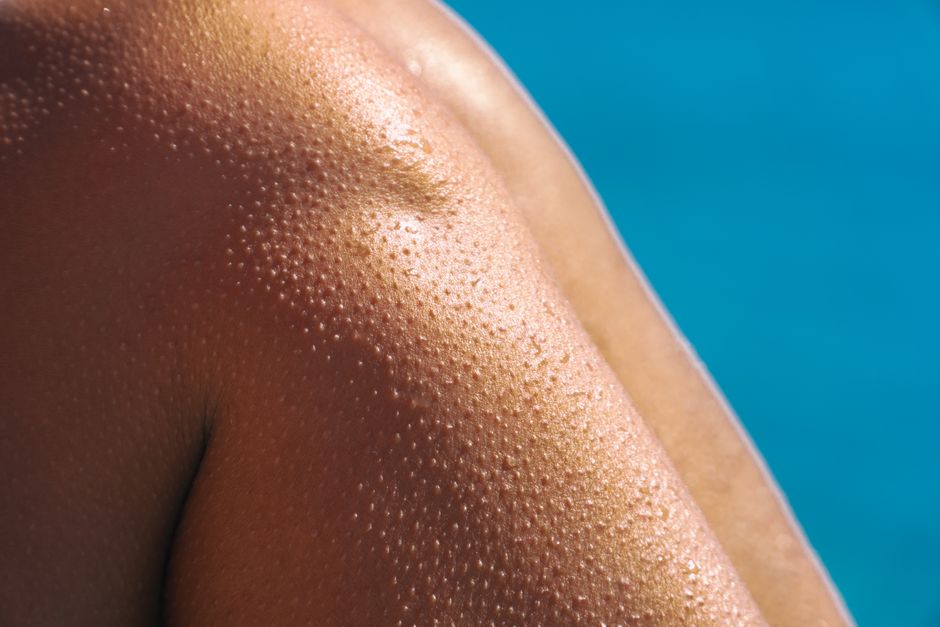
Itchy bumps on your skin can be frustrating and sometimes worrying. The causes range from common allergic reactions and insect bites to skin conditions like eczema or infections. Relief starts with identifying the cause — antihistamines help with allergies, moisturizers soothe dry skin, and cold compresses calm inflammation. If the bumps spread, hurt, or do not improve within a week, see a doctor.
What causes itchy bumps on skin?
Many different conditions cause itchy bumps. The most common include hives, eczema, contact dermatitis, insect bites, and certain infections.
Hives (urticaria) appear as raised, red or skin-colored welts that come and go quickly. They are usually triggered by an allergen — foods, medications, pollen, or even pressure on the skin. Each welt often fades within 24 hours, but new ones can appear.
Eczema (atopic dermatitis) causes dry, scaly, intensely itchy patches. It often starts in childhood but can occur at any age. The bumps may ooze clear fluid when scratched. Eczema is linked to a weak skin barrier and an overactive immune response.
Contact dermatitis happens when skin touches an irritant or allergen — poison ivy, nickel jewelry, fragrances, or certain soaps. The bumps are usually red, itchy, and sometimes blistered, limited to the area of contact.
Insect bites from mosquitoes, fleas, bed bugs, or mites produce small, raised bumps that are very itchy. They often have a small puncture mark in the center. Bites are usually grouped in exposed areas.
Fungal infections such as ringworm can cause circular, itchy, scaly bumps. Ringworm is not a worm — it is a fungus that spreads through direct contact.
Viral infections like chickenpox, shingles, or measles produce distinctive itchy bumps. Chickenpox causes fluid-filled blisters that crust over. Shingles follows a nerve pathway and is painful before the rash appears.
Less common causes include autoimmune conditions, medication reactions, or scabies — a mite that burrows into the skin. Because so many conditions look alike, a precise diagnosis matters.
How do I know what type of itchy bumps I have?
Appearance and pattern offer clues, but self-diagnosis has limits. Here are features to note:
- Location: Bumps on arms and legs exposed to outdoors may be insect bites or poison ivy. Bumps behind knees or inside elbows are common with eczema.
- Shape: Round, ring-shaped bumps suggest ringworm. Irregular, blotchy welts that move around suggest hives.
- Duration: Hives often resolve within hours. Eczema bumps last days to weeks. A single bump that persists longer than a month should be checked.
- Associated symptoms: Fever, pain, or blisters point toward an infection like shingles or chickenpox.
No single feature confirms a cause. For example, hives can also appear from viral infections, not just allergens. If you are unsure, see a dermatologist or primary care doctor. They can sometimes diagnose based on history and appearance alone, or they may do a skin scraping or allergy test.
What is the best way to get relief from itchy bumps?
Relief depends on the cause. The general goal is to stop the itch and prevent scratching, which can lead to infection.
For allergic reactions (hives, contact dermatitis): Oral antihistamines like loratadine, cetirizine, or diphenhydramine reduce itching from histamine release. Diphenhydramine can cause drowsiness, so take it at night. Topical antihistamine creams are less effective and can sometimes cause allergic reactions themselves.
For eczema and dry skin: Moisturizers that are fragrance-free and thick — such as petrolatum or ceramide creams — help repair the skin barrier. Apply immediately after bathing. Low-dose hydrocortisone cream (1%) can calm inflammation for short-term use. Avoid prolonged use on the face or in skin folds without a doctor’s guidance.
For insect bites and mild rashes: Calamine lotion, cool compresses, or an oatmeal bath can soothe itching. A cold pack wrapped in a cloth applied for 10 minutes can numb the area temporarily.
For fungal infections: Over-the-counter antifungal creams such as clotrimazole or terbinafine are effective for ringworm. Use them daily for at least two weeks after the rash clears.
For scabies: Prescription-only creams are needed. Do not treat scabies with over-the-counter products.
General itch relief: Keep nails short and clean. Wear soft, breathable fabrics like cotton. Avoid hot showers and harsh soaps — they strip natural oils and worsen itching.
If itching is severe, interferes with sleep, or covers large areas, a doctor may prescribe stronger treatments like oral steroids, calcineurin inhibitors, or phototherapy.





Can itchy bumps be prevented?
Prevention targets the specific cause. For allergies, identify and avoid triggers. Keep a diary of foods, products, or environments that seem to cause breakouts. Patch testing by a dermatologist can confirm contact allergies.
For dry skin and eczema, moisturize daily, especially after bathing. Use a humidifier in dry climates. Avoid long, hot showers. Choose mild, fragrance-free cleansers.
For insect bites, use EPA-registered insect repellent containing DEET, picaridin, or oil of lemon eucalyptus when outdoors. Wear long sleeves and pants in wooded or grassy areas. Treat clothing with permethrin if exposure is high.
For fungal infections, keep skin dry. Change socks and underwear daily. Avoid sharing towels, razors, or sports gear. Wear shower shoes in public locker rooms.
Not all itchy bumps are preventable. Sometimes the cause is unknown or unavoidable. If you develop itchy bumps despite these steps, it is not a failure — it simply means more investigation is needed.
When should I see a doctor for itchy bumps?
Most itchy bumps are not emergencies, but some situations require medical care.
See a doctor if:
- The bumps are accompanied by fever, chills, or joint pain.
- You have difficulty breathing, swelling of the lips or throat, or dizziness — these could signal anaphylaxis, which is a medical emergency. Call 911.
- The bumps spread rapidly or cover most of your body.
- You have blisters that are painful, ooze pus, or form yellow crusts — signs of secondary infection.
- The itching keeps you awake for several nights.
- Bumps do not improve after one week of home care.
- You have a weakened immune system (from medication, chemotherapy, or a chronic illness) and develop a new rash.
A doctor can distinguish between conditions that look alike, such as hives versus viral rash, or eczema versus fungal infection. Misdiagnosis leads to ineffective treatment and possible worsening.
Frequently Asked Questions
Are itchy bumps always a sign of an allergic reaction?
No, many causes exist including dry skin, infections, insect bites, and autoimmune conditions. Allergies are one possibility, not the only one.
Can stress cause itchy bumps?
Stress does not directly cause bumps, but it can worsen existing conditions like eczema, hives, or psoriasis by triggering inflammation. It may also increase the urge to scratch.
How long do itchy bumps typically last?
Duration varies widely. Hives often resolve within 24 hours, eczema flares last days to weeks, and fungal infections need weeks of treatment. If a single bump lasts more than a month, get it checked.
Is it safe to use antihistamines for itchy bumps?
Oral antihistamines are generally safe for short-term use in adults. Follow the package label. Avoid taking them with alcohol or other sedatives. Pregnant women and people with certain medical conditions should consult a doctor first.
