
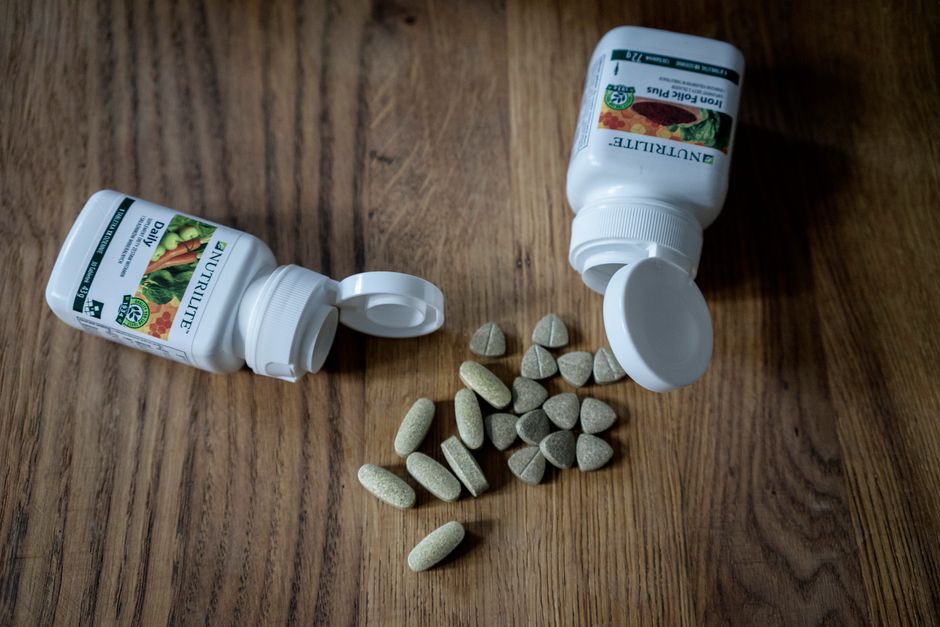
Iron deficiency without anemia happens when your body’s iron stores run low, but your red blood cells still look normal on a standard blood count. The cause is a negative iron balance — you are losing or using more iron than you absorb — and the shortfall gets pulled from your storage pool first. That is why you can feel tired and foggy while your hemoglobin and hematocrit still sit in the normal range.
This stage is sometimes called latent iron deficiency or iron depletion. It is common, it is real, and it is easy to miss because the test most doctors order first — a complete blood count — can look completely fine.
What Causes Iron Deficiency Without Anemia?
The direct cause is simple to state: iron leaving your body faster than it comes in. Your body has no active way to get rid of iron. It loses small amounts through shedding skin cells, sweat, and the lining of the gut, and it loses much more through menstrual bleeding or blood loss anywhere in the digestive tract. When intake and absorption cannot keep pace with those losses, your stored iron — held mainly in a protein called ferritin — starts to drop.
Ferritin is the key. It reflects how much iron you have in reserve. When reserves fall but are not yet empty, your bone marrow can still make red blood cells, so hemoglobin stays normal. This is the defining feature of iron deficiency without anemia. The body protects red blood cell production at the expense of other iron-dependent jobs, including making energy in your cells and producing certain neurotransmitters.
Iron is also used by enzymes involved in making dopamine and other signaling molecules, and by proteins in muscle that help it use oxygen. That helps explain why symptoms can appear before anemia does. The mechanism is well established. What is less settled is exactly when symptoms start relative to how low ferritin falls, because the relationship varies from person to person.
What Causes Low Iron Stores in Women?
Menstrual blood loss is the leading cause in people who menstruate. Each cycle can lose a meaningful amount of iron, and over months that adds up. Pregnancy is another major draw. A developing fetus and the placenta require substantial iron, and the demands of pregnancy can deplete stores even when a woman takes a prenatal vitamin.
Heavy or prolonged periods are a common and often underrecognized driver. What counts as “heavy” is not always obvious to the person experiencing it, and many women assume their flow is normal because it is all they have known. If you soak through protection quickly, pass large clots, or bleed for many days, that pattern deserves a conversation with a clinician.
Low dietary intake and poor absorption add to the problem. Iron from plant sources is absorbed less efficiently than iron from meat, and certain foods and drinks — including tea, coffee, and calcium — can reduce absorption when eaten at the same time as iron-rich foods. None of these single factors guarantees deficiency, but they stack.
How Do Gut Problems and Blood Loss Cause It?
Slow, hidden blood loss from the digestive tract is a serious cause, especially in men and in women past menopause. A bleeding ulcer, inflammation in the gut, or a growth in the colon can leak small amounts of blood over time without any visible sign. This is why unexplained iron deficiency in an older adult or a man is taken seriously and usually investigated.
Conditions that reduce iron absorption matter too. Celiac disease damages the small intestine, where most iron is absorbed. Inflammatory bowel conditions such as Crohn’s disease and ulcerative colitis can both reduce absorption and cause ongoing blood loss. Stomach surgery, including some weight-loss procedures, can bypass or reduce the acid and surface area needed to absorb iron.
Stomach acid plays a real role. It helps convert dietary iron into a form the body can take up. Long-term use of acid-suppressing medications, or low stomach acid from other causes, can reduce how much iron you absorb from food and supplements. This is a well-described effect, though how much it matters for any one person varies.




Can Diet and Absorption Alone Cause It?
Yes, in some people. If you eat little iron-rich food, avoid meat, and absorb iron poorly, your stores can fall over time even without heavy bleeding. Vegetarian and vegan diets can supply enough iron, but they require more attention because plant iron is absorbed at a lower rate.
Two forms of iron exist in food. Heme iron, found in meat, poultry, and fish, is absorbed well. Non-heme iron, found in plants and fortified foods, is absorbed less efficiently and is more affected by what else you eat. Vitamin C boosts non-heme iron absorption. Compounds in tea, coffee, and some grains inhibit it.
Some nutrients interact with iron in ways that matter over the long term. Very high calcium intake at the same time as iron can reduce absorption. This is one reason timing of supplements can matter, though the practical size of the effect differs between people.
What Makes You More Likely to Have Low Iron Without Anemia?
Several groups carry a higher risk. Knowing where you fit can help you and your clinician decide whether testing makes sense.
- People who menstruate, especially with heavy or long periods
- Pregnant and recently pregnant women
- People with celiac disease or inflammatory bowel disease
- Anyone who has had stomach or intestinal surgery
- Regular blood donors
- People with a diet low in absorbable iron
- Long-term users of acid-reducing medications
- Endurance athletes, due to a mix of losses and increased demand
Age shifts the picture. In younger people who menstruate, blood loss is the usual explanation. In men and in women past menopause, hidden gut blood loss becomes a more important concern that should be looked into rather than assumed away.
How Is It Different From Anemia?
Anemia is a later stage of the same process. When iron stores are low but not yet exhausted, the body still makes enough red blood cells, so hemoglobin and hematocrit remain normal. Once stores are depleted enough, red blood cell production falls and hemoglobin drops below the normal range — that is iron deficiency anemia.
Ferritin is the test that separates the two. A low ferritin points to depleted stores even when the blood count is normal. Ferritin can rise with inflammation, infection, or liver problems, which can mask a true deficiency, so clinicians sometimes combine it with other measures. The exact ferritin cutoff used to define deficiency varies between laboratories and guidelines, so the number alone should be read in context rather than treated as a fixed line.
| Measure | Iron deficiency without anemia | Iron deficiency anemia |
|---|---|---|
| Ferritin (stored iron) | Low | Low |
| Hemoglobin | Normal | Below normal range |
| Red blood cell size | Usually normal | Often smaller than normal |
| Typical symptoms | Tiredness, poor focus, low exercise tolerance | Same, often more pronounced |
One point worth knowing: the symptoms of iron deficiency without anemia overlap heavily with many other conditions, including thyroid problems, poor sleep, depression, and vitamin B12 or folate deficiency. A low ferritin supports the diagnosis, but it does not automatically prove iron is the cause of how you feel.
What Symptoms Point to It?
Tiredness and reduced exercise tolerance are the most common complaints. Some people notice trouble concentrating, feeling cold, or hair shedding. Restless legs have been linked to low iron in some studies. Pica — craving non-food items like ice or dirt — is a recognized but less common sign.
These symptoms are not specific. That means they can be caused by iron deficiency, but they can also occur with normal iron. The only reliable way to know is testing. Relying on symptoms alone leads to both missed cases and unnecessary treatment.
Why Does Treatment Timing Matter?
Finding the cause matters as much as correcting the low iron. In many cases the cause is straightforward, like menstrual loss or diet. In others, low iron is the first clue to a gut problem that needs its own evaluation. Treating the iron without looking for the source can delay finding something important.
This is especially true for men and for women past menopause, where hidden blood loss from the digestive tract is a genuine concern. For these groups, guidelines generally support looking for a source rather than assuming diet is the reason.
Correcting iron deficiency usually involves iron taken by mouth, and sometimes iron given intravenously when oral iron is not absorbed or not tolerated. Whether and how to treat iron deficiency without anemia is a decision that depends on symptoms, the cause, and your overall health, and it should be made with a clinician rather than by self-treating. Taking iron when you do not need it is not harmless.
Frequently Asked Questions
Can you have iron deficiency without anemia?
Yes. Iron stores can be depleted while hemoglobin stays in the normal range, which is why a normal blood count does not rule out low iron. A ferritin test is needed to check your stored iron.
What causes iron deficiency without anemia?
It comes from losing or using more iron than you absorb, which drains your stored iron before it affects red blood cells. Common drivers include menstrual bleeding, pregnancy, hidden gut blood loss, poor absorption, and low dietary intake.
What are the symptoms of low iron without anemia?
Common complaints include tiredness, reduced exercise tolerance, trouble concentrating, and feeling cold. These symptoms overlap with many other conditions, so testing is the only way to confirm the cause.
Is iron deficiency without anemia serious?
It is a real condition that can affect how you feel and can progress to anemia if the cause is not addressed. In men and in women past menopause, it can also be a sign of hidden blood loss that should be investigated.
