

Hot spots on the bottom of your feet are usually caused by friction, pressure, or excessive moisture inside your shoes. These are the same forces that create blisters, calluses, and general foot irritation. In most cases, the sensation is temporary and resolves when you remove your shoes and let your feet cool down. However, persistent or recurring hot spots can also signal an underlying condition like nerve damage, an infection, or a circulation problem that deserves medical attention.
What Causes Hot Spots On The Bottom Of Your Feet?
The most common cause is mechanical irritation. When your foot rubs against the inside of a shoe, the friction generates heat. This is especially true with new shoes, ill-fitting footwear, or shoes worn without socks. The skin responds to this repeated rubbing by becoming tender and warm to the touch. This is the earliest stage of a blister forming, before fluid actually accumulates.
Moisture amplifies the problem. Sweaty feet stick to shoe material, which increases friction. This is why hot spots often appear during exercise, in hot weather, or after wearing the same pair of shoes for hours. The combination of heat, sweat, and movement creates the perfect conditions for skin irritation.
Pressure is another factor. Standing or walking for long periods on hard surfaces can compress the fat pads on the bottom of your feet. This compression reduces natural cushioning and makes the skin and underlying tissue more sensitive. The result is a burning or hot sensation in the balls of the feet or heels.
When a Hot Spot Is Not Just Friction
Sometimes the heat you feel has nothing to do with your shoes. A burning sensation in the feet can come from nerves, blood vessels, or skin conditions. If the feeling persists after you have been off your feet for a while, it is worth investigating other causes.
Peripheral neuropathy is a common culprit. This is nerve damage, often linked to diabetes, that causes burning, tingling, or numbness in the feet. The sensation can feel exactly like a hot spot, but it does not go away when you remove your shoes. People with uncontrolled diabetes or a long history of the disease are at higher risk.
Athlete’s foot is a fungal infection that can cause burning and itching between the toes and on the soles. The skin may look red, flaky, or cracked. This is different from a friction hot spot because it tends to itch as much as it burns.
Poor circulation can also produce a feeling of heat. When blood flow is restricted, the tissues do not get enough oxygen. Some people describe this as a burning or warm sensation. Peripheral artery disease is the most common circulation problem that causes this symptom.
In rare cases, a hot spot that does not heal could be a sign of a more serious condition. If the area becomes swollen, discolored, or painful to the touch, see a healthcare provider. Do not assume it is just shoe friction.
How to Tell the Difference Between a Blister and a Hot Spot
A hot spot is the warning sign. A blister is the result. The skin starts to feel warm and tender because the outer layer is separating from the layer beneath it due to shear forces. If you stop the activity and reduce friction, the hot spot usually fades within minutes to hours.
If you keep going, fluid fills the space between the skin layers. That is a blister. The fluid protects the damaged skin underneath while it heals. A blister is not a separate condition — it is the natural progression of an untreated hot spot.
Not every hot spot becomes a blister. Some people get hot spots that fade without any visible skin change. Others develop blisters quickly, especially with intense activity or very sweaty feet. The difference is often how fast you respond to the early warning signs.




Why Your Feet Feel Hot at Night
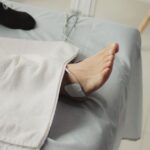
Nighttime foot heat is a different pattern. If you feel burning or warmth in your feet when you are lying in bed, friction is not the cause. This is often related to nerve activity or circulation changes that happen when your body is at rest.
Some research suggests that temperature regulation in the feet changes during sleep. Blood vessels dilate and constrict in a daily rhythm. For some people, this causes a feeling of heat even though their skin temperature is normal. This is not usually a cause for concern unless it interrupts your sleep regularly.
Restless legs syndrome and certain medications can also cause unusual sensations in the feet at night. If the feeling is paired with an urge to move your legs, mention it to your doctor. If it happens every night and wakes you up, that is worth investigating too.
How to Treat a Hot Spot at Home
Stop the activity as soon as you feel the heat. This is the single most effective step. Continuing to walk or run on a hot spot turns a minor irritation into a blister or a more painful injury.
Remove your shoes and socks to let the skin cool and dry. Air exposure reduces both temperature and moisture. If your feet are sweaty, wash them with mild soap and water, then dry thoroughly.
If the area is red but the skin is intact, you can apply a moisture barrier like petroleum jelly to reduce friction when you resume activity. Some athletes use specialized friction balms or gels designed for this purpose. These products are widely available and generally safe, but no large clinical trials have confirmed that one brand works better than another.
Consider changing your socks. Moisture-wicking socks made from synthetic fibers pull sweat away from the skin better than cotton. Cotton absorbs sweat and holds it against your skin, which increases friction.
Do not pop a blister if one forms. The intact skin protects against infection. If the blister breaks on its own, clean the area gently with soap and water, apply an antibiotic ointment, and cover it with a sterile bandage. Watch for signs of infection like increased redness, warmth, or pus.
How to Prevent Hot Spots on the Bottom of Your Feet
Prevention starts with footwear. Shoes should fit well without being too tight. There should be enough room in the toe box to wiggle your toes, and the heel should not slip when you walk. Break in new shoes gradually rather than wearing them for a full day right away.
Wear socks that fit properly. Socks that bunch up or have thick seams can create friction points just like a poorly fitting shoe. Replace worn socks that have lost their cushioning.
Keep your feet dry. If you sweat heavily, consider using an antiperspirant on your feet or changing socks mid-day. Some people find that foot powders help reduce moisture, though the evidence for their effectiveness is largely anecdotal.
For people who stand all day at work, cushioned insoles can help distribute pressure more evenly across the bottom of the foot. This reduces the concentrated pressure that creates hot spots in the ball of the foot or heel.
If you get hot spots in the same spot repeatedly, that is a clue that something about your footwear or gait is off. A podiatrist can assess your foot mechanics and recommend orthotics if needed. This is especially helpful for runners or people who are on their feet for long shifts.
When to See a Doctor About Foot Heat
See a healthcare provider if the hot feeling persists for more than a few days without any obvious cause. Also seek medical advice if the sensation is accompanied by numbness, weakness, or changes in skin color.
People with diabetes should be especially cautious. Nerve damage from diabetes can reduce sensation in the feet, which means you might not feel an injury until it becomes infected. If you have diabetes and feel persistent burning in your feet, talk to your doctor even if the skin looks normal.
If the area is hot to the touch but also swollen, red, and painful, this could indicate an infection. Cellulitis is a bacterial skin infection that can develop from a small crack or break in the skin. This requires medical treatment — do not wait to see if it resolves on its own.
Sudden, severe burning in one foot or leg could signal a blood clot, especially if it is accompanied by swelling. This is a medical emergency. Go to an emergency room or call emergency services.
Common Myths About Foot Hot Spots
One common myth is that hot spots mean your shoes are too small. In reality, shoes that are too large can cause just as many problems because your foot slides around and creates friction. The issue is not size alone but how well the shoe holds your foot in place.
Another myth is that soaking your feet in hot water helps. It does not. Hot water can increase inflammation and make the area more tender. Cool water or simply air drying is more effective.
Some people believe that “toughening up” the skin by walking barefoot prevents hot spots. There is no evidence that this works. Barefoot walking increases the risk of cuts, infections, and other injuries, especially on hot pavement or rough surfaces.
Frequently Asked Questions
Can hot spots on the bottom of my feet be a sign of diabetes?
Yes, persistent burning in the feet can be a symptom of diabetic neuropathy, which is nerve damage from high blood sugar. If you have diabetes or risk factors for it, mention this symptom to your doctor.
How long does it take for a hot spot to heal?
A friction hot spot usually fades within a few hours if you stop the activity and let the skin cool. If a blister forms, it can take several days to a week to heal completely.
Should I pop a blister on the bottom of my foot?
No, leave the blister intact. The skin covering it protects against infection. If it breaks on its own, clean it gently and cover it with a sterile bandage.
Are hot spots on the feet a sign of poor circulation?
They can be. Poor circulation can cause a burning sensation in the feet, but friction is a far more common cause. If the feeling persists without an obvious cause, see a doctor for an evaluation.
