
Hiccups in infants are caused by sudden, involuntary contractions of the diaphragm muscle, followed by the rapid closure of the vocal cords. This produces the familiar “hic” sound. In most cases, infant hiccups are a normal reflex and are not a cause for concern. They often happen during or right after feeding, and they typically stop on their own within a few minutes.
What causes hiccups in infants?
Hiccups begin when the diaphragm — the dome-shaped muscle that sits below the lungs and helps with breathing — contracts unexpectedly. This contraction interrupts the normal rhythm of breathing. Almost immediately afterward, the glottis (the opening between the vocal cords) snaps shut. The combination of the muscle spasm and the quick closure of the vocal cords creates the characteristic “hic” sound.
In infants, this reflex is especially easy to trigger. The nervous system that controls the diaphragm is still maturing. Even small changes can set it off. Common triggers include:
- Swallowing air during feeding — more common with bottle feeding or a poor latch during breastfeeding.
- Overfeeding — a stomach that is stretched too much can irritate the diaphragm.
- Sudden temperature changes — for example, moving from a warm bath to a cooler room.
- Gastroesophageal reflux (GER) — when stomach acid flows back into the esophagus, it can stimulate the diaphragm. This is a normal finding in many infants, especially young ones, and usually resolves on its own over time.
- Excitement or crying — vigorous activity can disrupt the breathing pattern and trigger hiccups.
It is also worth noting that hiccups begin before birth. Fetuses hiccup regularly in the womb. This is considered a normal part of development, possibly helping the breathing muscles practice for life outside the uterus.
Why do babies get hiccups so often?
Infants hiccup more frequently than older children or adults for several reasons. Their digestive tract is small and still developing. The stomach fills quickly during a feeding, and the lower esophageal sphincter — the ring of muscle that keeps stomach contents from flowing backward — is not yet tight. This combination makes it easy for the stomach to distend and for reflux to occur, both of which can trigger diaphragm spasms.
Infants also swallow more air than older children, especially if they feed quickly or if the bottle nipple flow is too fast or too slow. The air stretches the stomach, which can push upward against the diaphragm and cause it to contract.
Finally, an infant’s nervous system is immature. The communication between the brain and the diaphragm is not fully refined. As a result, the diaphragm is more “twitchy” and responds to small stimuli that would not cause hiccups in an older child or adult. This typically improves on its own during the first year of life.
Are hiccups a sign of something serious?
In the vast majority of cases, infant hiccups are harmless. They do not cause pain or discomfort. Many babies can even sleep through them without waking.
In rare instances, frequent or prolonged hiccups can be a sign of an underlying problem. The main condition to consider is gastroesophageal reflux disease (GERD), which is more severe than simple reflux. GERD may cause hiccups along with other symptoms such as frequent spitting up that is forceful, irritability during or after feeding, arching of the back, coughing, poor weight gain, or refusal to eat. Hiccups alone are not enough to diagnose GERD. A healthcare provider will consider the full pattern of symptoms.
Other medical causes of persistent hiccups in infants (lasting longer than a few hours or occurring many times a day for weeks) are very uncommon. They can include infections, metabolic disorders, or irritation of the phrenic nerve (the nerve that controls the diaphragm). However, these are not typical explanations for the routine hiccups parents see after a feeding. If hiccups are accompanied by signs of respiratory distress, unusual lethargy, or feeding problems, a pediatric evaluation is warranted.




How to stop infant hiccups
There is no strong clinical evidence that any home remedy reliably stops hiccups in infants faster than waiting for them to resolve on their own. Most hiccups last a few minutes and stop without intervention. However, parents often try techniques that are considered safe and may help in some cases:
- Burping the baby during and after feeding can release trapped air and reduce stomach distension.
- Offering a pacifier — the sucking motion may help relax the diaphragm.
- Keeping the baby upright for 20 to 30 minutes after a feeding can reduce reflux.
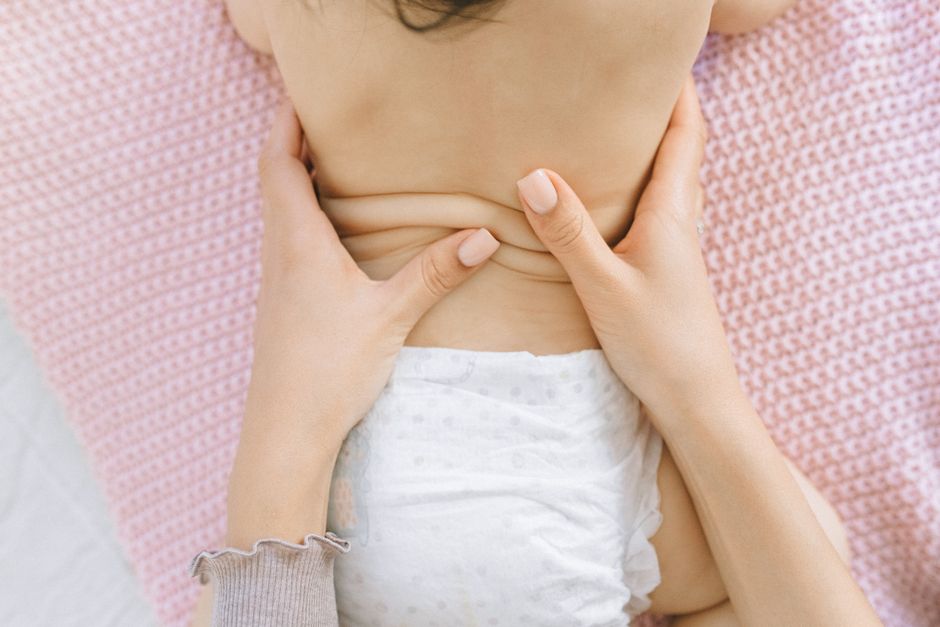
- Gentle back rubbing or patting may soothe the baby and change the breathing pattern.
What not to do: Never startle the baby, pull on the tongue, press on the eyeballs, or give water to an infant under six months. These methods are not effective and can be dangerous. Gripe water is sometimes used, but its ingredients vary widely, and there is no strong evidence that it works. If you choose to use it, check the label for sugar and avoid products that contain alcohol or sodium bicarbonate.
When to call a doctor about infant hiccups
Most infants hiccup without any problem. You do not need to call a doctor for routine hiccups that last a few minutes. However, contact your pediatrician if:
- Hiccups last for longer than a few hours or happen many times every day for weeks.
- Hiccups seem to interfere with feeding, sleeping, or breathing.
- hiccups are accompanied by forceful vomiting, blood in the spit-up, persistent coughing, or difficulty swallowing.
- Your baby is not gaining weight as expected, or seems unusually irritable.
- Your baby has signs of respiratory distress — fast breathing, flaring nostrils, grunting, or retractions (chest sinking in between the ribs).
In these situations, the hiccups may be a clue that something else is going on, such as GERD or a respiratory infection. A doctor can evaluate the full picture and determine if any treatment is needed.
Frequently Asked Questions
Can hiccups hurt my baby?
No. Hiccups do not cause pain or harm. They are a normal reflex. Some babies may seem annoyed or fussy, but hiccups are not dangerous.
Do hiccups mean my baby is full?
Sometimes. A full stomach can push against the diaphragm and trigger hiccups. But hiccups can also happen on an empty stomach for other reasons, so it is not a reliable sign of fullness.
How long do infant hiccups normally last?
Most hiccups last between a few seconds and 10 minutes. They usually stop on their own. If they last longer than 20 to 30 minutes, it is still typically harmless but worth mentioning to your pediatrician if it happens often.
Can I prevent my baby from getting hiccups?
You may reduce how often hiccups occur by feeding your baby before they get too hungry (to avoid gulping air), burping frequently, and keeping them upright after feeds. However, hiccups cannot always be prevented because they are part of normal development.
