
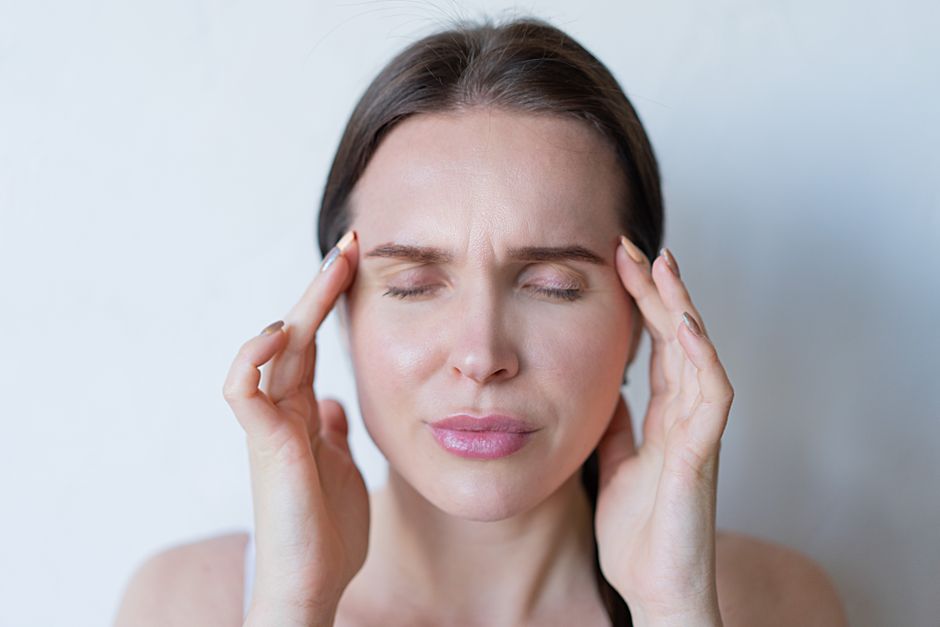
Waking up with a headache most days is common, and it usually is not a sign of something dangerous. The most frequent cause of daily headaches is a primary headache disorder, meaning the headache itself is the condition rather than a symptom of another disease. Chronic migraine and tension-type headache account for the large majority of these cases. A smaller number of people have headaches caused by medication overuse, sleep problems, or another underlying issue that needs medical attention.
Knowing the difference matters. Primary headaches are managed with lifestyle changes and sometimes medication, while secondary headaches need the cause treated. Certain warning signs mean you should see a doctor promptly rather than wait.
What Causes Headaches Every Day And When To Worry?
Doctors divide headaches into two groups: primary and secondary. Primary headaches are not caused by another medical condition. Secondary headaches are a symptom of something else going on in the body or brain.
When headaches happen on most days for months, the pattern usually points to one of a few well-recognized conditions. The key is figuring out which one, because the treatment differs.
This is not a diagnosis you can make on your own. But understanding the categories helps you describe your symptoms clearly and know when to seek care.
What Is Chronic Daily Headache?
Chronic daily headache is a term doctors use when headaches occur on 15 or more days per month for longer than three months. That is the established threshold in headache medicine. It is a description of a pattern, not a single disease.
Several different headache types can produce this pattern. The most common are chronic migraine and chronic tension-type headache. A third category, medication overuse headache, is often overlooked and can develop on top of either one.
Many people who develop chronic daily headache started with occasional headaches that gradually became more frequent. The shift often happens over months or years. Sometimes there is a clear trigger, like a stressful period, an injury, or a change in sleep. Other times no single cause is obvious.
How Do Migraine And Tension-Type Headache Differ?
These two are the leading causes of frequent headaches, and they feel different in ways that matter for treatment.
Migraine typically causes a moderate to severe throbbing pain, often on one side of the head. It usually gets worse with movement or routine activity. People often feel nauseated and become sensitive to light and sound. An attack can last from a few hours to several days. Some people get a warning sign called an aura before the pain starts.
Tension-type headache tends to feel like a pressing or tightening band around both sides of the head. The pain is usually mild to moderate and does not get worse with normal activity. It rarely causes nausea or light sensitivity. These headaches can last from 30 minutes to several days.
One clarification worth making: a headache being frequent does not automatically make it a migraine, and a headache being mild does not automatically make it a tension headache. The full pattern of symptoms is what guides the diagnosis. Some people have features of both.





Can Taking Pain Relievers Cause Daily Headaches?
Yes. This is one of the most important and most missed causes of daily headaches. It is called medication overuse headache.
When you take pain relievers for headaches more often than a certain amount, the brain can adapt in a way that makes headaches more frequent. The medication starts to cause the very problem it is meant to treat. This creates a cycle where you take more medicine, and the headaches get worse.
The specific frequency that defines overuse depends on the drug. In general, using simple pain relievers on many days per month, or using combination or prescription headache medicines even less often, can trigger this pattern. Because the exact thresholds vary by medication, ask a doctor or pharmacist what applies to your situation.
The difficult part is that medication overuse headache feels just like the original headache. People often do not realize their medicine is part of the problem. Breaking the cycle usually requires stopping the overused medication under medical guidance, which can temporarily make headaches worse before they improve.
What Other Conditions Cause Headaches Most Days?
Beyond the primary headache disorders and medication overuse, several other issues can produce frequent headaches.
- Sleep problems. Poor sleep, irregular sleep schedules, and conditions like sleep apnea are strongly linked to frequent headaches.
- Anxiety and depression. These commonly occur alongside chronic headaches and can make them worse.
- High blood pressure. Severely elevated blood pressure can cause headaches, though mild elevations usually do not.
- Neck problems. Issues in the cervical spine can refer pain to the head.
- Hormonal changes. In some people, headaches track with the menstrual cycle.
Less commonly, daily headaches can be a symptom of a structural problem in the brain, an infection, or another serious condition. These are the situations where warning signs matter most.
When Should You Worry About a Daily Headache?
Most daily headaches are not dangerous. But some features signal that a doctor should evaluate you promptly. These are sometimes called red flags.
Seek medical attention if you notice any of the following:
- A sudden, severe headache that peaks within seconds to minutes, often described as the worst headache of your life
- A headache that is worse when you lie down, cough, strain, or exercise
- Headaches that started after a head injury
- New headaches after age 50
- Headaches along with fever, stiff neck, rash, or confusion
- Weakness, numbness, trouble speaking, vision changes, or trouble walking
- A headache pattern that changes noticeably or steadily worsens
- Headaches during pregnancy or shortly after delivery
- A history of cancer or a weakened immune system
These signs do not prove something serious is happening. They simply mean the headache needs to be looked at rather than managed at home. When in doubt, it is reasonable to check with a doctor. A severe headache that comes on suddenly is a reason to seek emergency care.
How Are Daily Headaches Evaluated?
A doctor starts by asking about your headache history. When did they start? How often do they happen? Where is the pain? What makes it better or worse? What medicines do you take, and how often?
Keeping a headache diary for a few weeks can help a lot. Note the date, time, severity, location, and any triggers or medicines. This record often reveals a pattern that is hard to see day to day.
A physical and neurological exam usually follows. Many people with a typical primary headache pattern and a normal exam do not need imaging. Doctors are cautious about ordering scans when there is no red flag, because incidental findings can lead to unnecessary worry and testing.
Imaging or other tests may be recommended when there are warning signs, an abnormal exam, or a pattern that does not fit a common headache type.
What Helps Reduce the Frequency of Daily Headaches?
Treatment depends on the type of headache and any underlying cause. There is no single approach that works for everyone.
For chronic migraine, some preventive medications are supported by clinical evidence. These are taken regularly to reduce how often headaches happen, not to stop one in progress. A doctor can discuss which options fit your situation.
For tension-type headache, management often focuses on stress, sleep, and muscle tension, along with limited use of pain relievers.
Across headache types, a few habits are widely recommended because they support the body’s systems that influence headache frequency:
- Keep a consistent sleep schedule, including weekends
- Eat meals at regular times and stay hydrated
- Get regular physical activity
- Manage stress with methods that work for you
- Limit caffeine and keep it consistent day to day
- Track headaches so you and your doctor can see patterns
These steps are not a cure. Their role is to reduce triggers and support overall stability, which can lower headache frequency for some people. Results vary, and the evidence for any single lifestyle change is not strong enough to promise a specific outcome.
If you are taking pain relievers often, talk to a doctor before making changes. Stopping an overused medication suddenly can be hard to do alone.
Frequently Asked Questions
Are daily headaches a sign of a brain tumor?
In most cases, no. Daily headaches are far more often caused by primary headache disorders or medication overuse. A tumor is a rare cause, and it usually comes with other warning signs like weakness, vision changes, or a headache that steadily worsens.
How many headaches a month is too many?
Doctors consider headaches chronic when they occur on 15 or more days per month for longer than three months. If you are reaching that frequency, it is worth seeing a doctor to identify the type and rule out medication overuse.
Can stress alone cause headaches every day?
Stress is a common trigger and can contribute to frequent tension-type headaches. It is rarely the only factor, and ongoing daily headaches usually involve other contributors like sleep, medication use, or an underlying headache disorder.
Should I get a brain scan for daily headaches?
Not usually. Imaging is generally reserved for headaches with warning signs, an abnormal neurological exam, or a pattern that does not fit a common type. A doctor can advise whether a scan is needed in your case.
Daily headaches are worth taking seriously without assuming the worst. The most common causes are treatable, and the warning signs are well defined. If your headaches are frequent, changing, or come with any red flag, see a doctor. If they are stable and familiar, a conversation with your clinician can still help you find a plan that reduces how often they happen.
