
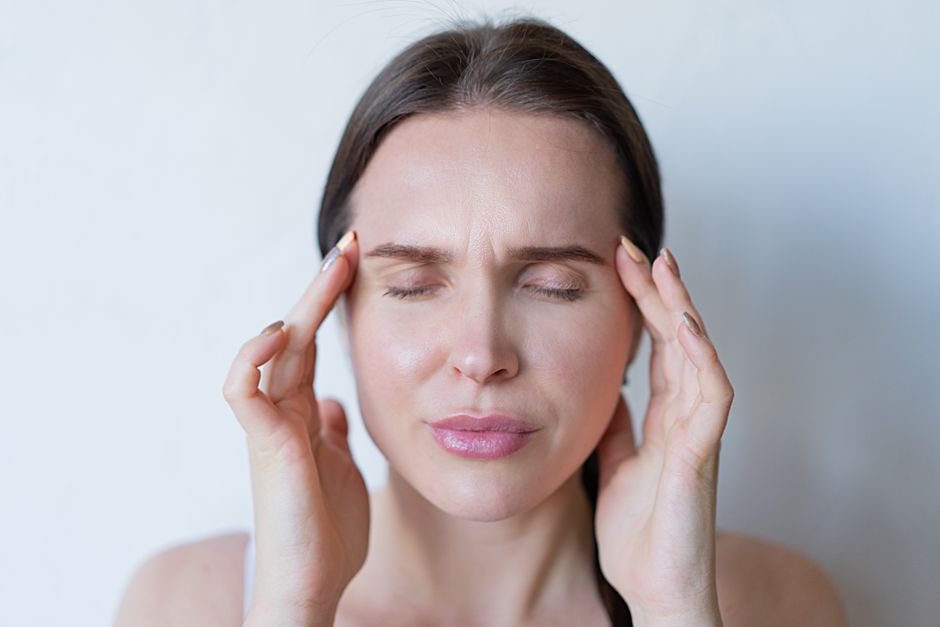
Head shaking can look alarming, but it is not one condition. It is a symptom with many possible causes, ranging from a harmless tremor to a side effect of medication to a neurological disorder. What it means depends on when it happens, how long it lasts, and what else is going on in your body.
Doctors sort head shaking into two broad groups. The first is tremor, an involuntary rhythmic movement. The second is a set of conditions where the head tilts or turns because of abnormal muscle activity or a problem in the brain’s movement control centers. Getting the category right is the first step toward understanding what is happening.
What Causes Head Shaking?
The most common cause of a shaking head is essential tremor, a neurological condition that affects roughly 1 in 20 adults over age 40 and becomes more common with age. It is not dangerous, but it can be embarrassing and can interfere with daily tasks.
Essential tremor usually involves the hands, but the head is affected in a meaningful minority of cases. When the head shakes with essential tremor, the movement is typically a “yes-yes” nodding or a “no-no” side-to-side motion. It tends to worsen when you are stressed, tired, or holding a posture, and it often improves when you are relaxed or asleep.
A second common category is cervical dystonia, sometimes called spasmodic torticollis. This is a movement disorder where neck muscles contract involuntarily, pulling the head into a tilt or turn. Some people with cervical dystonia also have a tremor component, which produces a shaking appearance. It is not a sign of weakness or a psychological problem. It is a neurological condition, and it is treatable.
Other causes worth knowing about include:
- Medication side effects. Some drugs, particularly certain antipsychotics and anti-nausea medications, can cause tremor or involuntary movements. This is called drug-induced tremor or, in some cases, tardive dyskinesia. If head shaking started after a new medication, that is important information for your doctor.
- Parkinson’s disease. Parkinson’s tremor most often starts in the hands, but head involvement can occur. It is typically a resting tremor, meaning it is worse when the body part is relaxed and better with movement.
- Multiple sclerosis. MS can cause tremor, though head shaking is not the most common presentation. It usually appears alongside other neurological symptoms.
- Anxiety and stress. Severe anxiety can produce visible shakiness, including in the head and neck, but it does not cause a persistent tremor when the person is calm.
- Low blood sugar. Hypoglycemia can cause shakiness and trembling throughout the body, including the head. It resolves when blood sugar normalizes.
- Withdrawal from alcohol or other substances. Tremor is a well-known withdrawal symptom and can affect the head and neck.
This is not a complete list. The point is that head shaking has a wide differential, and a doctor needs history and examination to sort it out.
How Do Doctors Tell the Difference Between Types of Head Shaking?
The single most useful piece of information is when the shaking happens. A tremor that appears when you hold your head still but disappears when you move is different from one that appears only during movement. A tremor that vanishes during sleep points toward a neurological cause rather than a muscular one.
Doctors also look at the quality of the movement. Essential tremor is typically rhythmic and consistent. Cervical dystonia often involves a sustained posture with intermittent jerking. Parkinson’s tremor is slow and “rolling.” Drug-induced tremor tends to be more rapid and can affect both sides of the body symmetrically.
A neurological exam can distinguish these patterns with reasonable reliability. In some cases, imaging or blood tests are used to rule out other conditions. There is no single blood test that diagnoses essential tremor or cervical dystonia. These are clinical diagnoses, meaning they are made based on history and examination.
One clarification that matters: head shaking is not the same as head bobbing in infants. Infant head bobbing can be a sign of serious neurological problems and should be evaluated promptly by a pediatrician. The causes and urgency are different from adult head tremor.
When Should You See a Doctor for Head Shaking?
See a doctor if the shaking is new, getting worse, or interfering with your ability to eat, write, or perform your job. Also seek care if it comes with other symptoms such as weakness, numbness, difficulty speaking, vision changes, or problems with balance.
Head shaking that starts suddenly after a head injury, a new medication, or a period of heavy alcohol use deserves prompt medical attention. So does shaking accompanied by confusion, fever, or a severe headache.
For most people with a gradual-onset tremor and no other symptoms, the visit is not an emergency. But it is still worth doing. Getting an accurate diagnosis early helps you understand what you are dealing with and what options exist. Many causes of head shaking are manageable, and some are reversible.





Is Head Shaking a Sign of a Serious Condition?
Sometimes. Essential tremor, the most common cause, is not dangerous and does not shorten life expectancy. Cervical dystonia is not life-threatening either, though it can be painful and disabling if untreated.
Parkinson’s disease and multiple sclerosis are serious conditions, but head shaking alone is rarely the first or only sign. In both diseases, tremor usually appears alongside other symptoms such as stiffness, slowness of movement, or problems with coordination.
Drug-induced tremor is generally reversible when the offending medication is stopped, but this should only be done under medical supervision. Abruptly stopping certain medications can cause serious withdrawal effects.
The honest position is that head shaking is a symptom, not a diagnosis. Its seriousness depends entirely on what is causing it. That is why evaluation matters more than internet searching.
What Treatments Are Available for Head Shaking?
Treatment depends on the cause. For essential tremor, some people do not need treatment if the shaking is mild. When treatment is needed, medications such as beta-blockers or certain anti-seizure drugs are commonly used. These do not cure the tremor, but they can reduce its severity. Response varies from person to person.
For cervical dystonia, botulinum toxin injections into the affected neck muscles are a standard treatment. They work by temporarily weakening the overactive muscles. The effect is not permanent and requires repeat injections, typically every few months. Some clinicians also recommend physical therapy or oral medications, though the evidence for those approaches is less strong than for botulinum toxin.
For drug-induced tremor, the first step is reviewing medications with a doctor. Dose adjustments or switching to a different drug may resolve the problem.
For tremor related to Parkinson’s disease or multiple sclerosis, treatment focuses on the underlying condition. This is a conversation for a neurologist, not a general practitioner.
There is no diet, supplement, or lifestyle change that has been proven to cure head shaking. Some people report that reducing caffeine and managing stress helps with tremor severity, but these are supportive measures, not treatments. No clinical trial has confirmed that any supplement reverses essential tremor or cervical dystonia.
What Does Head Shaking Look Like in Different Conditions?
The appearance of the shaking can offer clues, though it is not definitive. Here is a general comparison of how head shaking presents in several common conditions:
| Condition | Typical Appearance | When It Worsens |
|---|---|---|
| Essential tremor | Rhythmic nodding or side-to-side shaking | Stress, fatigue, holding a posture |
| Cervical dystonia | Head tilt or turn, sometimes with jerking | Stress, certain positions, walking |
| Parkinson’s tremor | Slow, rolling motion, often starts in hands | Rest; improves with movement |
| Drug-induced tremor | Rapid, often symmetric shaking | After taking the medication |
| Anxiety-related shakiness | General trembling, not isolated to head | During acute stress; resolves when calm |
This table is a guide, not a diagnostic tool. Many people have overlapping features, and only a clinician can sort out what is happening.
Can Stress Cause Head Shaking?
Stress can make an existing tremor worse, but it does not cause a persistent head tremor on its own. This is a common misconception. People with essential tremor often notice that their shaking increases when they are anxious, which leads them to believe anxiety is the root cause. In reality, the underlying neurological condition was already there.
Acute stress can cause temporary shakiness throughout the body, including the head and neck. This is a normal physiological response to adrenaline. It resolves when the stressful situation passes. If the shaking persists when you are calm and relaxed, stress is not the explanation.
Similarly, anxiety can amplify awareness of a mild tremor that would otherwise go unnoticed. Some people seek medical attention for shaking they have had for years but only recently noticed during a period of heightened stress. The tremor was always there. The stress just made it more apparent.
Frequently Asked Questions
What is the most common cause of head shaking?
Essential tremor is the most common cause of head shaking in adults. It is a neurological condition that causes rhythmic, involuntary movement, most often in the hands but sometimes in the head.
Can head shaking be a sign of anxiety?
Anxiety can cause temporary shakiness and can make an existing tremor worse, but it does not cause a persistent head tremor on its own. If shaking continues when you are calm, another cause should be evaluated.
Is head shaking in adults always serious?
No. Essential tremor is not dangerous and does not shorten life expectancy. However, some causes of head shaking are serious, so new or worsening shaking should be evaluated by a doctor.
Can medication cause head shaking?
Yes. Certain medications, including some antipsychotics and anti-nausea drugs, can cause tremor or involuntary movements. If shaking started after a new medication, tell your doctor before making any changes.
