

Fluid in the stomach is usually normal. Your stomach produces fluid all day to break down food, and most of it moves on without you ever noticing. When fluid builds up enough to cause bloating, nausea, or a feeling of fullness, the cause is often something specific — and sometimes something that needs medical attention.
Doctors call it “fluid in the stomach” in two very different situations. One is fluid sitting inside the stomach itself. The other is ascites — fluid in the abdominal cavity around the organs, which can look and feel like stomach swelling but is a separate problem. Knowing which one you’re dealing with matters because the causes and the care are different.
What Causes Fluid in the Stomach?
The most common causes are ordinary digestion, a stomach that empties too slowly, and inflammation of the stomach lining. Less often, it reflects a blockage, liver disease, or another underlying condition that needs testing.
Your stomach makes roughly two to three liters of digestive fluid every day. Most of that gets reabsorbed or passed along the digestive tract. Fluid becomes noticeable when production rises, when the stomach empties slowly, or when something blocks the normal exit route.
Common causes include:
- Gastroparesis — a condition where the stomach empties more slowly than normal, allowing food and fluid to pool
- Gastritis — inflammation of the stomach lining, which can increase fluid and mucus production
- Gastroenteritis — a viral or bacterial infection that causes the stomach and intestines to fill with fluid
- Blockage — a narrowing or obstruction in the stomach outlet or small intestine that traps fluid above it
- Liver disease — which causes ascites, fluid in the abdominal cavity rather than inside the stomach
- Heart failure and kidney disease — both can lead to fluid retention in the abdomen
- Pancreatitis — inflammation of the pancreas that can cause fluid collection nearby
The distinction between stomach fluid and abdominal fluid is one people often miss. Ascites sits in the space around your organs. Stomach fluid sits inside the organ itself. A doctor can usually tell the difference with an exam and imaging.
How Do You Tell Normal Stomach Fluid From a Problem?
Normal digestive fluid is silent. You don’t feel it, and it doesn’t cause symptoms. Fluid becomes a problem when it produces symptoms that persist or worsen.
Signs that fluid buildup may need attention include:
- A swollen or distended belly that doesn’t go down
- Feeling full after eating very little
- Persistent nausea or vomiting
- Loss of appetite or unintended weight loss
- Pain or tenderness in the upper belly
- Swelling in the legs along with belly swelling
Occasional bloating after a large meal is common and usually harmless. Symptoms that last more than a few days, or that come with weight loss, vomiting, or leg swelling, are worth a medical visit. Those combinations point toward something that needs evaluation rather than watchful waiting.
What Is Gastroparesis and How Does It Cause Fluid Buildup?
Gastroparesis means your stomach empties too slowly. When the stomach can’t push food and fluid into the small intestine at a normal pace, both pool and cause bloating, nausea, and a full feeling.
The vagus nerve controls the muscles that move food through your stomach. When that nerve is damaged or the stomach muscles stop working properly, emptying slows. Diabetes is one of the most recognized causes. Surgery, certain medications, and some neurological conditions can also play a role. In many cases, no clear cause is found, which doctors call idiopathic gastroparesis.
Diagnosis usually involves a gastric emptying study, which measures how quickly food leaves the stomach. Treatment focuses on diet changes, managing the underlying condition, and in some cases medication. The evidence for any single treatment is mixed, and what works varies from person to person.
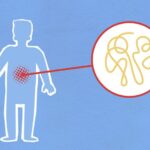




When Is Fluid in the Abdomen a Sign of Something More Serious?
Ascites — fluid in the abdominal cavity — is a different problem from fluid inside the stomach, and it often signals an underlying disease. Cirrhosis of the liver is the most common cause in the United States.
When the liver is scarred, blood flow through it backs up, and pressure rises in the veins that drain the abdomen. That pressure pushes fluid out of the blood vessels and into the abdominal cavity. Kidney disease and heart failure can cause ascites through related mechanisms involving fluid balance and pressure.
Ascites usually shows up as a swollen belly, weight gain, and shortness of breath as pressure builds against the diaphragm. Doctors confirm it with an exam and often with imaging or a fluid sample. The fluid sample matters — it helps identify infection or other causes that change how the condition is managed.
This is not a wait-and-see situation. Ascites generally reflects a condition that needs ongoing medical care.
Can Diet or Habits Cause Fluid to Build Up in the Stomach?
Everyday habits rarely cause true fluid buildup in the stomach, but they can cause bloating that feels similar. The two are easy to confuse.
Carbonated drinks add gas, not fluid. High-sodium meals can push your body to retain water, which may show up as swelling in the belly and legs. Eating very quickly, overeating, and drinking large amounts with meals can all make the stomach feel heavy and full.
None of these cause the kind of fluid accumulation seen in gastroparesis, ascites, or blockage. If bloating responds to diet changes and settles within hours, it is almost certainly digestive. If it persists despite those changes, that points elsewhere.
How Do Doctors Find the Cause?
Doctors start with your history and a physical exam, then choose tests based on what they suspect. There is no single test that covers every possible cause.
Common steps include:
- Blood tests to check liver, kidney, and pancreas function
- Imaging such as ultrasound, CT, or MRI to see fluid and look for blockages
- Endoscopy to look inside the stomach and check for inflammation or obstruction
- Gastric emptying study if slow emptying is suspected
- Fluid analysis if ascites is present, to check for infection or other causes
The right test depends on your symptoms. A person with nausea and early fullness after meals gets a different workup than someone with a swollen belly and leg swelling. That is why an accurate description of your symptoms helps your doctor choose wisely.
What Should You Do If You Notice Symptoms?
Track your symptoms for a few days — when they happen, what you ate, and whether they improve. That record helps your doctor narrow down the cause faster.
See a doctor promptly if you have a swollen belly that doesn’t improve, vomiting that won’t stop, belly pain, unintended weight loss, or swelling in your legs. Those signs together suggest something that needs testing rather than home remedies.
Go to emergency care if you have severe belly pain, a rigid or tender belly, vomiting blood, or black stools. These can signal a blockage or bleeding that needs immediate attention.
For mild, occasional bloating that settles on its own, no treatment is usually needed. Cutting back on carbonated drinks and very salty meals may help you feel better, though the evidence that diet alone resolves persistent fluid buildup is limited.
Frequently Asked Questions
Is it normal to have fluid in your stomach?
Yes. Your stomach produces fluid continuously to digest food, and most of it passes through without causing symptoms. Fluid becomes a concern only when it builds up enough to cause bloating, nausea, or a full feeling that doesn’t go away.
What is the difference between stomach fluid and ascites?
Stomach fluid sits inside the stomach itself, while ascites is fluid in the abdominal cavity around your organs. Ascites often signals liver, heart, or kidney disease and needs medical evaluation.
Can fluid in the stomach go away on its own?
Mild fluid from digestion or a short infection usually clears on its own within days. Fluid caused by slow stomach emptying, blockage, or organ disease typically does not resolve without treatment.
When should I see a doctor for a swollen stomach?
See a doctor if the swelling doesn’t improve, or if it comes with vomiting, belly pain, weight loss, or leg swelling. Severe pain, vomiting blood, or black stools need emergency care.
