
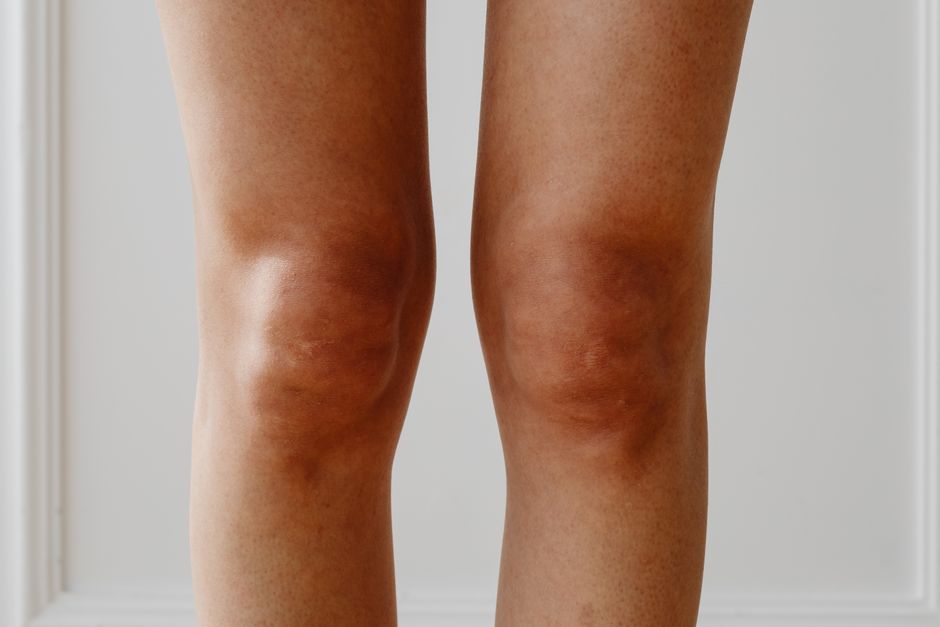
Fluid on the knee is your body’s response to something going wrong inside the joint. The most common cause is inflammation from injury, arthritis, or overuse. Infection is a much rarer cause, but it is the most serious one. When bacteria get into the knee joint, the body sends fluid and immune cells there fast. That condition is called septic arthritis, and it needs medical care right away.
What Causes Fluid In The Knee Injuries To Infection?
Knee swelling happens when fluid builds up in or around the joint. Doctors call this an effusion. The fluid itself is not the problem. It is a signal that something is irritating the knee.
Doctors divide the causes into two broad groups: non-infectious and infectious. Non-infectious causes are far more common. They include:
- Injury — torn ligaments, torn cartilage, or a broken bone inside the joint
- Osteoarthritis — wear of the cartilage over time
- Inflammatory arthritis — conditions like rheumatoid arthritis or gout
- Overuse — repeated stress from sports or heavy activity
- Bleeding into the joint — common after certain injuries, especially a torn ACL
Infectious causes are different. Here, bacteria enter the joint space and multiply. The immune system responds by flooding the joint with fluid packed with white blood cells. This is septic arthritis. It is uncommon, but it can damage cartilage quickly if it is not treated.
The key point: injury and infection can both cause a swollen, painful knee. Telling them apart matters a great deal, because the treatment is completely different.
How Does an Injury Lead to Knee Swelling?
When you injure your knee, damaged tissue releases chemical signals. These signals tell blood vessels to leak fluid into the surrounding area. That fluid collects in the joint and causes swelling.
There are two main patterns after an injury.
Fast swelling — the knee balloons within a few hours. This usually means blood is filling the joint. A torn ligament or a fracture can cause this. Blood irritates the joint lining, which triggers more fluid.
Slow swelling — the knee swells over one to two days. This is more typical of cartilage damage, a meniscus tear, or general inflammation. The fluid here is mostly synovial fluid, the natural lubricant of the joint, produced in excess.
Your knee normally holds a small amount of synovial fluid. It keeps the joint lubricated and cushioned. After an injury, the joint lining produces far more than usual. The result is the puffiness and tightness people notice.
This type of swelling is not an infection. It is inflammation from tissue damage. But a swollen knee from injury can sometimes become infected later, especially if there is an open wound.
How Does an Infection Get Into the Knee Joint?
Bacteria reach the knee in a few main ways. Understanding these routes explains why some people are at higher risk than others.
Direct entry. Bacteria get in through a break in the skin. This can happen with a deep cut, a puncture wound, or a surgery on the knee. Joint replacement surgery carries this risk, though it is not common.
Spread through the blood. Bacteria from an infection elsewhere in the body travel through the bloodstream and settle in the knee. This is the most common route in adults. A skin infection, a urinary tract infection, or an infected wound somewhere else can be the source.
Nearby spread. An infection in tissue close to the knee, such as a bone infection, can spread into the joint.
The bacteria most often responsible is Staphylococcus aureus. Other bacteria can cause it too, and the exact germ matters for treatment.
Some people face a higher risk. These include people with a weakened immune system, people with diabetes, people who have had knee surgery or a joint replacement, and people who inject drugs. Age also plays a role — the risk rises in older adults.
One point worth knowing: a knee that is already damaged by arthritis or injury may be more vulnerable to infection. The abnormal joint tissue gives bacteria a place to take hold.





What Are the Signs That Knee Fluid Is From Infection?
Infection and injury can look similar at first. But some signs point more toward infection. Doctors look for a cluster of them together, not just one.
Signs that raise concern for infection include:
- Severe pain that makes it hard to put any weight on the leg
- A knee that is hot, red, and very swollen
- Fever or chills
- Feeling generally unwell
- Symptoms that came on quickly, often over hours to a day or two
Injury-related swelling often follows a clear event — a twist, a fall, a collision. Infection may come on without any injury at all. That difference is a useful clue, but it is not proof.
No symptom or combination of symptoms can confirm infection on its own. Only a doctor can tell for certain. If a hot, swollen knee comes with a fever, that is a reason to seek medical care promptly rather than wait.
How Do Doctors Tell the Difference?
Doctors use a few tools to sort out why a knee is swollen. The most important is removing a sample of the fluid and testing it.
This procedure is called joint aspiration. A doctor numbs the skin and uses a needle to draw fluid from the joint. The fluid is then checked in several ways:
- Cell count — a high white blood cell count in the fluid points toward infection
- Culture — this test tries to grow bacteria from the sample to identify the germ
- Crystals — their presence can point to gout, which can mimic infection
Blood tests can also help. These may include markers of inflammation and a blood culture to look for bacteria in the bloodstream.
Imaging plays a supporting role. An X-ray can show fractures or joint damage. An ultrasound can confirm fluid is present and guide the needle. An MRI can show infection in nearby bone, but it cannot confirm joint infection by itself.
The fluid analysis is the closest thing to a definitive test. Even so, results are interpreted alongside the whole picture — symptoms, history, and other tests.
Why Does It Matter to Find the Cause?
The cause changes the treatment completely. This is why getting the right answer matters.
For injury-related swelling, care usually focuses on rest, ice, compression, and elevation. Some injuries need physical therapy or surgery. Antibiotics play no role here, because there is no infection.
For septic arthritis, antibiotics are essential. They are usually given through a vein at first. The joint may also need to be drained, sometimes more than once. Prompt treatment matters because infection can damage cartilage, and that damage can be permanent.
Giving antibiotics for a swollen knee that is not infected does not help and can cause harm. It can lead to side effects and contribute to antibiotic resistance. This is one reason an accurate diagnosis is worth the effort.
There is no single timeline that fits every case. How quickly someone recovers depends on the cause, their overall health, and how soon treatment starts. A doctor is the right person to give an outlook for a specific situation.
When Should You Get Medical Help?
A swollen knee alone is not always an emergency. Many injuries can be checked during a normal appointment. But some signs mean you should not wait.
Seek care promptly if you have:
- A hot, red, very swollen knee
- Fever or chills along with knee swelling
- Severe pain or an inability to bear weight
- A swollen knee after surgery or a joint replacement
- A swollen knee with no clear cause or injury
Septic arthritis is uncommon, but it is a medical emergency when it happens. Delaying care raises the risk of lasting joint damage. When in doubt, it is better to be checked than to wait it out.
This article is informational only. It is not a substitute for care from a doctor who can examine your knee and run the right tests.
Frequently Asked Questions
Can a knee injury turn into an infection?
An injury by itself does not create an infection, because infection requires bacteria. But a break in the skin from a wound can let bacteria into the joint, and that can lead to infection. Any open knee injury should be cleaned and checked by a doctor.
How can you tell if knee fluid is infected?
You cannot tell for certain without testing the fluid. Signs that raise concern include fever, chills, and a knee that is hot, red, and very painful. Only a doctor can confirm infection by analyzing a fluid sample.
Is fluid on the knee always serious?
No. Most knee swelling comes from injury, arthritis, or overuse, and these are not emergencies. Infection is a rare cause but a serious one. A hot, swollen knee with a fever should be checked promptly.
What bacteria most often cause a knee joint infection?
Staphylococcus aureus is the most common cause of septic arthritis in adults. Other bacteria can cause it too, which is why testing the fluid helps guide treatment.
