
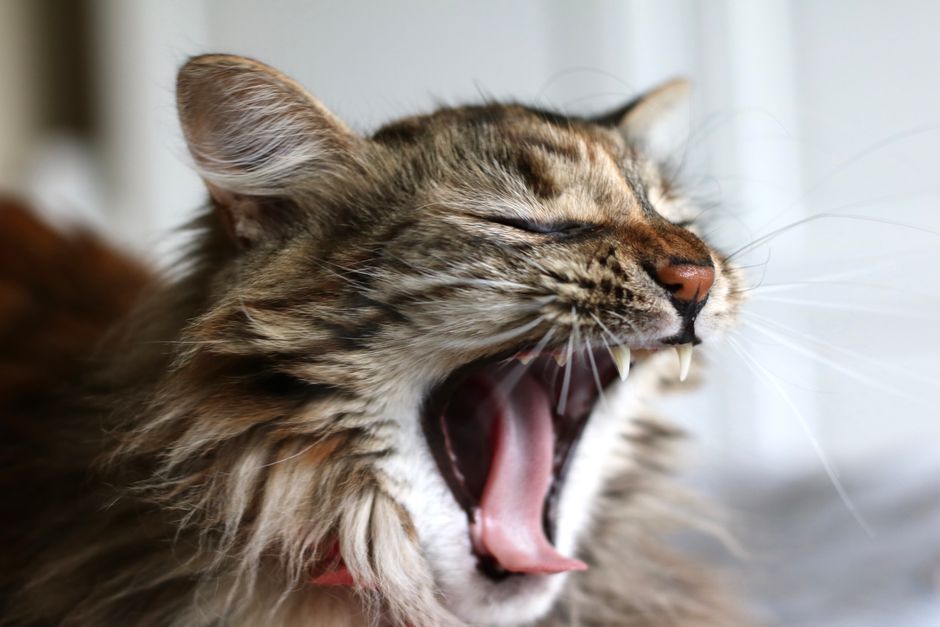
You might have noticed yourself yawning more than usual while also feeling like you can’t quite catch your breath. This combination—excessive yawning paired with shortness of breath—often points to an underlying issue with how your body is getting or using oxygen. The most common causes include anxiety disorders, heart or lung conditions, and certain medications, but the specific reason depends on your overall health and any other symptoms you have. Yawning is your body’s way of trying to take in more air, and when it happens too often alongside breathlessness, it is a signal worth paying attention to.
What Does Excessive Yawning And Shortness Of Breath Actually Mean?
Excessive yawning is not just being tired. It is yawning many times an hour, often for no clear reason. Shortness of breath, or dyspnea, is the feeling that you cannot get enough air. When these two happen together, your body may be trying to compensate for low oxygen or high carbon dioxide levels.
Your brain triggers a yawn to stretch the lungs and increase heart rate. This is meant to boost oxygen intake. If you are already short of breath, your body may keep yawning in an attempt to fix the problem. But if the root cause is not addressed, the yawning does not help.
The American Lung Association notes that shortness of breath can come from many sources, from asthma to heart failure. When yawning is added to the picture, it often means the body is working harder than normal to breathe. This is not a condition itself. It is a symptom combination that needs investigation.
What Causes Excessive Yawning And Shortness Of Breath?
Several conditions can cause both symptoms at once. Anxiety and panic attacks are among the most common. During a panic attack, you may hyperventilate—breathe too fast—which drops carbon dioxide levels. Your body then yawns to try to balance the gases. Research published in the journal Respiratory Physiology & Neurobiology has shown that yawning helps cool the brain and regulate breathing, which is why it happens during anxiety.
Heart problems are another major cause. Congestive heart failure means the heart cannot pump blood efficiently. Fluid can build up in the lungs, making breathing hard. The body yawns more to try to expand the lungs fully. A 2020 study in the Journal of Cardiac Failure found that yawning was more frequent in patients with heart failure compared to healthy controls.
Lung conditions like COPD, asthma, or pulmonary embolism can also cause this pair of symptoms. A pulmonary embolism is a blood clot in the lung. It blocks blood flow and oxygen exchange. Yawning does not help because the problem is physical blockage, not low oxygen in the air.
Other causes include sleep apnea, anemia, thyroid problems, and side effects of medications like SSRIs or opioids. Some people report these symptoms during pregnancy due to hormonal changes and increased blood volume.
When Should You Worry About These Symptoms?
Some situations require immediate medical attention. If shortness of breath comes on suddenly and is severe, call 911. This is especially true if you also have chest pain, pressure, or pain spreading to your arm or jaw. These are signs of a possible heart attack.
If excessive yawning and shortness of breath happen with lightheadedness, fainting, or a rapid irregular heartbeat, do not wait. These could signal a heart rhythm problem or pulmonary embolism. The Centers for Disease Control and Prevention reports that pulmonary embolism causes about 100,000 deaths per year in the United States, partly because symptoms are missed.
If the symptoms are mild and come and go, you can start with your primary care doctor. They will check your oxygen levels, listen to your heart and lungs, and may order tests like an EKG, chest X-ray, or blood work. Do not assume it is just anxiety. Let a doctor rule out physical causes first.
One non-obvious point: yawning can also be a sign of an impending migraine or a seizure disorder. If you have a history of these conditions, mention the yawning to your neurologist.




What Does Research Show About The Link Between Yawning And Breathing?
Studies have found that yawning is closely tied to brain temperature regulation and breathing control. A 2014 study in Physiology & Behavior showed that yawning increases when brain temperature rises, and that deep inhalation during a yawn helps cool the brain. This is why you might yawn when you are stressed or in a warm room.
The link to shortness of breath is less studied directly, but the mechanism makes sense. When you cannot breathe well, your brain may trigger yawns to force a deep breath. This is a reflex, not a choice. Some researchers believe that excessive yawning in heart failure patients is a sign of reduced cardiac output—the heart is not moving blood well, so the brain tries to increase oxygen by yawning.
A 2018 review in Autonomic Neuroscience concluded that yawning frequency increases in conditions that lower oxygen or raise carbon dioxide. This includes lung disease, heart disease, and even high altitude. The review also noted that some medications, particularly those affecting dopamine, can increase yawning as a side effect.
What research does not support is the idea that yawning is always harmless. If you yawn more than 10-15 times per hour without being tired, and you also feel breathless, it is worth checking out. The evidence points to a real physiological need behind the behavior.
How Do Doctors Diagnose The Cause?
Doctors start with a history and physical exam. They will ask when the symptoms started, what makes them better or worse, and what other symptoms you have. They will listen to your lungs for wheezing or crackles, and check your heart for murmurs or irregular rhythms.
Common tests include:
- Pulse oximetry to measure oxygen in your blood
- Electrocardiogram (EKG) to check heart rhythm
- Chest X-ray to look at lung structure
- Blood tests for anemia, thyroid function, and heart enzymes
- Pulmonary function tests if lung disease is suspected
- Echocardiogram if heart function needs evaluation
If anxiety is suspected, doctors may use a screening questionnaire like the GAD-7. But they should not stop there. A 2021 study in JAMA Internal Medicine found that anxiety is overdiagnosed in patients who actually have heart or lung conditions. Always push for a full workup if symptoms persist.
One comparison that helps clarify the difference:
| Symptom Pattern | Likely Cause | Action |
|---|---|---|
| Yawning + breathlessness with chest pain | Heart attack or pulmonary embolism | Call 911 immediately |
| Yawning + breathlessness with dizziness | Anxiety or panic attack | Try breathing exercises, see doctor |
| Yawning + breathlessness with wheezing | Asthma or COPD flare | Use rescue inhaler, see doctor |
| Yawning + breathlessness with fatigue | Anemia or heart failure | Blood work and heart evaluation |
What Can You Do About It?
Treatment depends on the cause. For anxiety-related symptoms, breathing techniques like pursed-lip breathing or diaphragmatic breathing can help. These slow your breathing and prevent hyperventilation. Cognitive behavioral therapy is also effective for panic disorder.
For heart or lung conditions, treatment is medical. Heart failure may require diuretics, beta-blockers, or other medications. Asthma or COPD may need inhalers or steroids. Pulmonary embolism requires blood thinners.
For medication side effects, talk to your doctor before stopping anything. Sometimes a dose adjustment or switching to a different drug reduces the yawning and breathlessness.
Lifestyle changes can help in many cases. If you have sleep apnea, using a CPAP machine at night can reduce daytime yawning and improve oxygen levels. If you are sedentary, gradual exercise can strengthen your heart and lungs. If you smoke, quitting is the single most effective step you can take.
One thing to avoid: relying on over-the-counter oxygen boosters or supplements that claim to increase oxygen. As of 2026, there is no clinical evidence that these products help with yawning or shortness of breath. They are a waste of money and can delay real diagnosis.
Frequently Asked Questions
Can anxiety cause excessive yawning and shortness of breath?
Yes, anxiety and panic attacks are a very common cause. Hyperventilation drops carbon dioxide levels, and yawning is your body’s attempt to restore balance.
Is excessive yawning a sign of a heart problem?
It can be, especially in heart failure. Studies have found that people with heart failure yawn more often as their heart struggles to pump blood efficiently.
What tests should I ask for if I have these symptoms?
Ask for pulse oximetry, an EKG, a chest X-ray, and basic blood work. These rule out the most serious causes first.
When should I go to the emergency room for yawning and breathlessness?
Go if the breathlessness is sudden, severe, or comes with chest pain, fainting, or a racing heart. Do not wait to see if it passes.
