
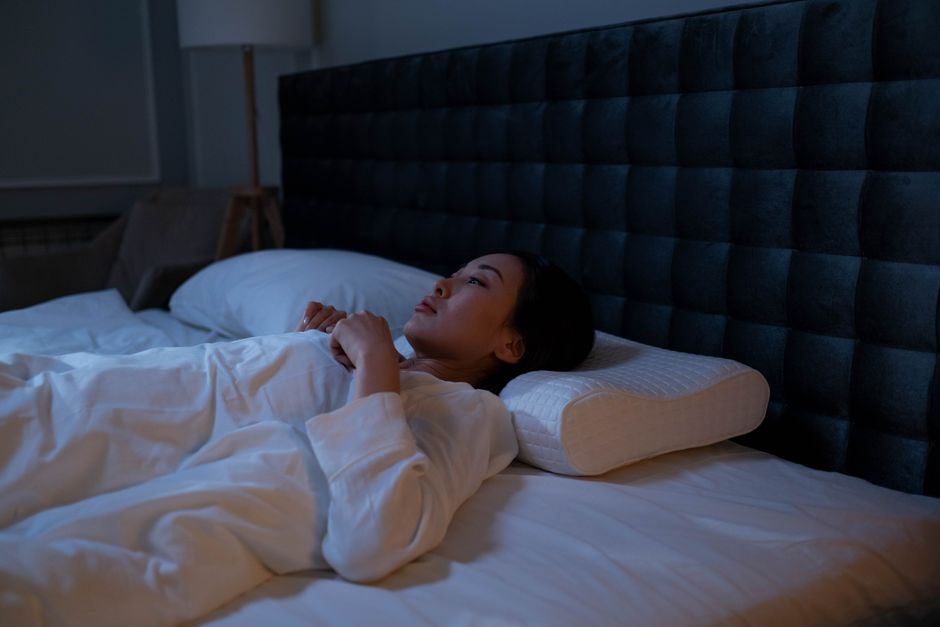
Waking up drenched in sweat — sheets soaked, pajamas clinging — is not the same as feeling warm on a hot night. Excessive night sweats are episodes of heavy sweating that happen during sleep, often in a cool room, and they can soak through clothing and bedding. They are a real physical symptom, not just a sign of a warm bedroom. The causes range from the harmless to the serious, and the pattern of your sweating — how often it happens, what comes with it, and how long it has been going on — is what helps point to the reason.
What Causes Excessive Night Sweats And When To Worry?
Night sweats have a long list of possible causes, and most of them are not dangerous. The key is figuring out which category you fall into: a normal body process, a side effect, a hormonal shift, or a sign of an underlying condition.
Here are the main groups of causes.
- Hormonal changes. The most common cause in women over 40 is perimenopause and menopause. Falling estrogen levels disrupt the body’s temperature regulation, which can trigger sudden heat and sweating. This is a normal part of the transition, not a disease.
- Infections. Tuberculosis is a classic cause of drenching night sweats, especially with fever, weight loss, and a cough that lingers. Other infections, including some bacterial and viral illnesses, can also cause them.
- Medications. Antidepressants, some diabetes drugs, hormone treatments, and steroids can trigger sweating. This is a known side effect, not a sign of something new going wrong.
- Low blood sugar. People with diabetes who take insulin or certain pills can sweat heavily at night when blood sugar drops too low. This is a medical concern and needs attention.
- Cancer. Some cancers, particularly lymphomas, cause night sweats as an early symptom. This is uncommon, but it is one reason night sweats should not be ignored when they are persistent and unexplained.
- Other conditions. An overactive thyroid, anxiety, obstructive sleep apnea, and acid reflux can all play a role.
Notice that the harmless causes and the serious ones can look identical at first. That is why the details matter.
How Do I Know If My Night Sweats Are Normal Or Something Else?
Normal sweating during sleep happens when your room is too warm, your blankets are too heavy, or you exercised late in the day. It stops when you cool down. It does not soak your sheets, and it does not happen night after night in a cool room.
What separates ordinary sweating from excessive night sweats is intensity and pattern. Doctors describe true night sweats as episodes heavy enough to soak through your clothes or bedding, happening repeatedly, often while the room is comfortably cool.
Ask yourself a few questions:
- Are my sheets or pajamas actually wet, not just damp?
- Does this happen most nights, not just once in a while?
- Is the room cool and I am still sweating?
- Are there other symptoms — fever, weight loss, cough, or pain?
If you answer yes to the first three, it is worth a conversation with a doctor. If you also have fever, unexplained weight loss, or a persistent cough, that conversation should happen sooner rather than later.
When Should I Be Concerned About Night Sweats?
Most night sweats turn out to be benign. But certain combinations of symptoms push the concern level higher, and those are the ones that deserve prompt medical attention.
See a doctor reasonably soon if you have night sweats along with any of these:
- Unexplained weight loss
- Fever that comes and goes
- A cough that will not go away, or coughing up blood
- Swollen lymph nodes that do not shrink
- Drenching sweats that soak the bed most nights
- Night sweats that started after a new medication
- Sweating with chest pain, shortness of breath, or a racing heart
Some of these point to infection, some to cancer, and some to heart or lung problems. The pattern — not any single symptom — is what guides a doctor’s thinking. A person with night sweats and a lingering cough is evaluated differently from someone with night sweats and a new medication.
One clarification worth making: night sweats are not the same as hot flashes. Hot flashes are the sudden wave of heat many women feel during menopause, and they can happen day or night. Night sweats are the sweating itself. They often overlap, but they are not identical, and doctors treat them as related but separate.




What Medical Conditions Are Linked To Night Sweats?
Several well-established conditions are tied to excessive night sweats. Knowing them helps you understand what a doctor may be looking for.
Menopause and perimenopause. This is the most frequent cause in women in their 40s and 50s. The hormonal shifts affect the part of the brain that controls body temperature, so the body sometimes reacts as if it is overheating when it is not.
Infections. Tuberculosis remains a well-known cause worldwide. In the United States, other infections — including some that affect the heart valves or bones — can also produce night sweats, usually with fever and other signs.
Lymphoma and some other cancers. Night sweats are one of the classic “B symptoms” of lymphoma, along with fever and weight loss. This does not mean night sweats usually mean cancer. It means that when they are persistent and unexplained, cancer is one of the possibilities a doctor will consider.
Overactive thyroid. An overactive thyroid speeds up metabolism, which can cause sweating, a fast heart rate, and weight loss.
Diabetes and low blood sugar. A drop in blood sugar overnight can trigger heavy sweating, along with shakiness and confusion on waking.
Sleep apnea. Repeated pauses in breathing during sleep can cause sweating and a racing heart, often along with loud snoring and daytime tiredness.
Anxiety and panic. Anxiety can raise the body’s stress response, which can lead to sweating at night as well as during the day.
Medications and substances. Antidepressants, hormone therapies, steroids, and some pain medicines are common triggers. Alcohol and certain recreational drugs can also cause night sweats.
How Are Night Sweats Evaluated By A Doctor?
There is no single test for night sweats. A doctor starts with your history — when the sweating began, how often it happens, what makes it better or worse, and what other symptoms are present.
From there, the evaluation depends on what the history suggests. Common steps include:
- A physical exam, including checking lymph nodes and listening to the heart and lungs
- Blood tests to check for infection, thyroid function, and blood sugar
- A chest X-ray if a lung cause is suspected
- Reviewing all medications, including over-the-counter ones
- Sleep studies if sleep apnea is a possibility
In many cases, no serious cause is found. That is a good outcome, but it does not mean the sweating is imaginary. It means the cause is likely hormonal, medication-related, or something that does not show up on a standard test.
Some clinicians recommend keeping a simple log of when the sweats happen and what you ate, drank, or took beforehand. It is not a formal diagnostic tool, but it can help spot patterns.
What Can Help Reduce Night Sweats?
What helps depends entirely on the cause. There is no single fix that works for everyone, and anyone who claims otherwise is overselling.
For menopause-related sweats, some women find relief with hormone therapy, though it carries its own risks and is not right for everyone. Others use non-hormonal prescription options. Some studies suggest certain lifestyle changes — keeping the bedroom cool, avoiding alcohol and spicy food near bedtime, and using moisture-wicking bedding — can reduce how often episodes happen, though the evidence for these measures is not strong.
For medication-related sweats, a doctor may adjust the dose or switch drugs. Never stop a prescribed medication on your own.
For low blood sugar at night, adjusting diabetes treatment is a medical decision that should be made with a doctor.
For infections, cancer, thyroid problems, and sleep apnea, treating the underlying condition is what resolves the sweating. No amount of bedding changes will fix those.
One honest point: many over-the-counter products marketed for night sweats have little or no clinical evidence behind them. If a product promises to stop night sweats without addressing a cause, be skeptical.
Frequently Asked Questions
Are night sweats a sign of cancer?
They can be, but most night sweats are not caused by cancer. Lymphoma and some other cancers can cause persistent drenching sweats, usually along with fever and unexplained weight loss.
What is the most common cause of night sweats in women over 40?
Perimenopause and menopause are the most common cause in this age group. Falling estrogen levels disrupt the body’s temperature control, which can trigger heavy sweating during sleep.
Can low blood sugar cause night sweats?
Yes. People with diabetes who take insulin or certain medications can sweat heavily at night when blood sugar drops too low. This is a medical concern that should be discussed with a doctor.
When should I see a doctor for night sweats?
See a doctor if your night sweats are drenching, happen most nights, or come with fever, weight loss, a lingering cough, or swollen lymph nodes. These combinations need evaluation.
