
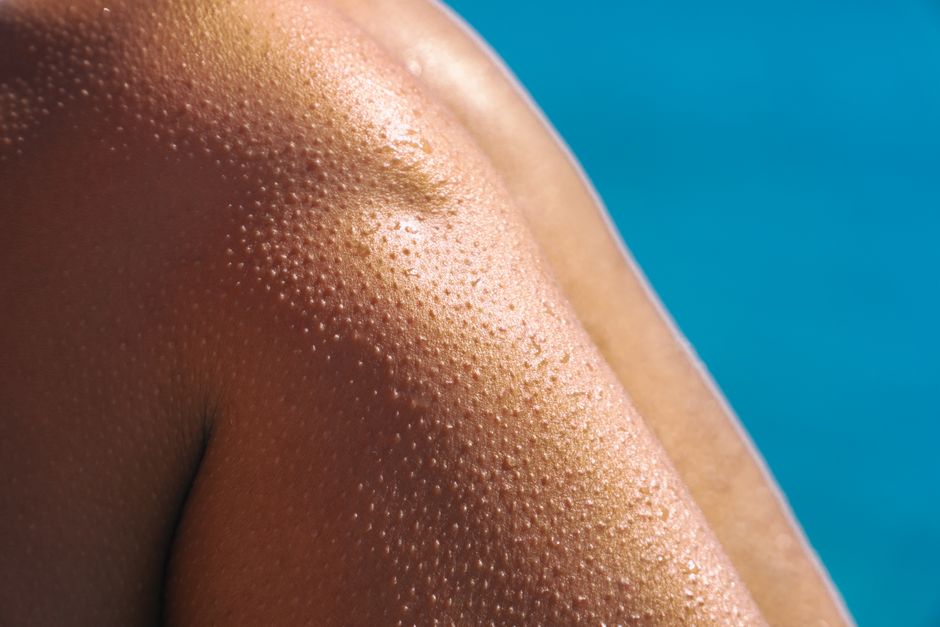
Pores are the openings of hair follicles and oil glands in your skin, and their visible size is set largely by genetics, oil production, and the structural support of the skin around them. You cannot permanently shrink a pore, because a pore is an anatomical opening, not a muscle that can tighten. What you can do is make pores look smaller by reducing the oil and debris that stretch them, and by protecting the collagen that keeps the skin around them firm. The most reliable steps are consistent sun protection, gentle cleansing, and a small number of ingredients with real evidence behind them.
What Causes Enlarged Pores And How To Minimize Them?
The single biggest factor is sebum, the oil your sebaceous glands produce. Each pore contains a sebaceous gland, and when that gland is active, the pore can appear larger. This is why enlarged pores show up most on the nose, cheeks, and forehead, where oil glands are densest.
Genetics set your baseline. Some people simply have larger follicles and thicker sebum output, and that runs in families. Skin type matters too. People with oily skin tend to have more visible pores than people with dry skin, though dry skin can still show enlarged pores.
Age is the second major driver. Collagen and elastin give skin its structural scaffolding. Over time, and with sun exposure, that support weakens. When the skin around a pore loses firmness, the pore opening can look stretched and more obvious. This is why pores often become more noticeable in the 40s and beyond, even in people who had small pores earlier in life.
Sun damage accelerates this process. Ultraviolet exposure breaks down collagen and thickens the outer skin layer, both of which can make pores look larger. Smoking is linked to similar collagen breakdown and reduced skin elasticity.
Two things often blamed for enlarged pores deserve a correction. First, you cannot “open and close” pores with hot or cold water. Pores have no muscle to contract. Hot water can temporarily soften sebum and make skin look flushed, but it does not open a pore. Second, blackheads are not dirt. The dark color comes from oxidized melanin and sebum at the surface of a clogged pore, not from trapped soil.
Can You Actually Shrink Pores Permanently?
No. Pore size is structural, and no topical product changes the physical dimensions of a follicle permanently. Anyone claiming a cream “shrinks pores” is describing a temporary appearance change, not a permanent one.
What products can do is reduce what fills and stretches the pore, and improve the skin’s surface so pores cast fewer shadows. A pore packed with oil and dead skin cells looks bigger than a clear one. A pore surrounded by smooth, firm skin looks smaller than one sitting in a rough, sagging surface.
So the realistic goal is smaller-looking pores, not smaller pores. That distinction matters, because it keeps expectations honest and steers you toward approaches that actually work.
Which Ingredients Have Real Evidence Behind Them?
A handful of ingredients have solid support for improving pore appearance, mostly by reducing oil, clearing debris, or supporting collagen.
- Retinoids. Prescription tretinoin and over-the-counter retinol increase cell turnover and support collagen over time. This is one of the better-supported ingredients for pore appearance, though results take months, not days.
- Salicylic acid. This oil-soluble beta hydroxy acid gets into the pore and helps clear the debris that makes pores look larger. It is well established for acne-prone and oily skin.
- Niacinamide. Some studies suggest it can reduce sebum production and improve the look of pores. Evidence is moderate, not overwhelming.
- Sunscreen. Broad-spectrum protection is the most underrated pore product, because it prevents the collagen breakdown that makes pores look larger with age.
Be skeptical of dramatic claims. No topical has been shown to change pore size permanently, and products marketed as pore “tighteners” generally work by temporarily swelling the skin surface or mattifying oil, which fades within hours.
Do Pore Strips And Extractions Help?
Pore strips remove the top layer of sebum and some surface plugs, and the effect is visible immediately. It is also temporary. The gland keeps producing oil, and the pore refills, often within a day or two. Strips can also irritate skin if used aggressively.
Professional extractions, done by a dermatologist or trained esthetician, can clear clogged pores more thoroughly. This may improve appearance for a while, but it does not change the underlying pore size. For people with persistent blackheads or enlarged-looking pores from clogging, a dermatologist can also discuss prescription options.
One caution worth stating plainly: squeezing pores at home can cause inflammation, and in some cases scarring, which makes the area look worse over time, not better.
What Daily Routine Actually Reduces Pore Appearance?
A simple, consistent routine beats an elaborate one. The goal is to keep pores clear, control oil without stripping skin, and protect collagen.
- Cleanse gently twice daily with a mild, non-stripping cleanser. Harsh scrubbing backfires by irritating skin and triggering more oil.
- Use a salicylic acid product a few times a week if your skin tolerates it.
- Apply a retinoid at night, starting slowly to avoid irritation.
- Moisturize, even if your skin is oily. Dry, irritated skin can overproduce oil.
- Wear broad-spectrum sunscreen every day. This is the step most people skip and the one that matters most long term.
Consistency matters more than intensity. Most ingredients that improve pore appearance need weeks to months of regular use. Results from retinoids in particular are gradual.
What About Makeup And Lifestyle Factors?
Makeup does not cause enlarged pores, but heavy or comedogenic products can clog them and make them look worse. Non-comedogenic, oil-free formulas are a reasonable choice for people prone to clogging. A silicone-based primer can temporarily blur the look of pores, but it is a cosmetic effect, not a treatment.
Lifestyle factors play a supporting role. Smoking is linked to collagen breakdown and earlier skin aging, which can make pores more visible. Sun exposure is the biggest preventable contributor. Sleep and stress affect skin indirectly, and while the evidence is not strong enough to promise that better sleep shrinks pores, chronic stress and poor sleep are generally not kind to skin.
Diet is often raised, and the honest position is that the evidence linking specific foods to pore size is limited. Some research connects high-glycemic diets to acne, and acne can involve clogged pores, but this is not the same as showing that diet changes pore size directly.
When Should You See A Dermatologist?
See a dermatologist if pores are accompanied by persistent acne, if you have deep blackheads that do not respond to over-the-counter products, or if you notice a sudden change in your skin. A dermatologist can offer prescription retinoids, in-office treatments, and procedures that over-the-counter products cannot match.
In-office options sometimes used for pore appearance include certain laser and microneedling treatments, which aim to support collagen. These can improve skin texture, and some people report better pore appearance afterward. The evidence for these procedures specifically targeting pore size is moderate and varies by treatment, so it is worth discussing realistic expectations with a clinician rather than assuming a guaranteed result.
Frequently Asked Questions
Can pores open and close?
No. Pores have no muscle, so they cannot open or close in response to hot or cold water. Temperature can affect how skin looks and feels, but it does not change the pore opening itself.
Do pore strips permanently shrink pores?
No. Pore strips remove surface oil and some plugs for a short time, but the pore refills as the gland keeps producing oil. The effect typically fades within a day or two.
What is the most effective ingredient for enlarged pores?
Retinoids have the strongest support for improving pore appearance over time, mainly by increasing cell turnover and supporting collagen. Sunscreen is equally important because it prevents the collagen breakdown that makes pores look larger with age.
Can enlarged pores be cured?
No. Pore size is set by genetics and skin structure, so it cannot be cured or permanently reversed. You can reduce how large pores look by keeping them clear and protecting the skin around them.
