
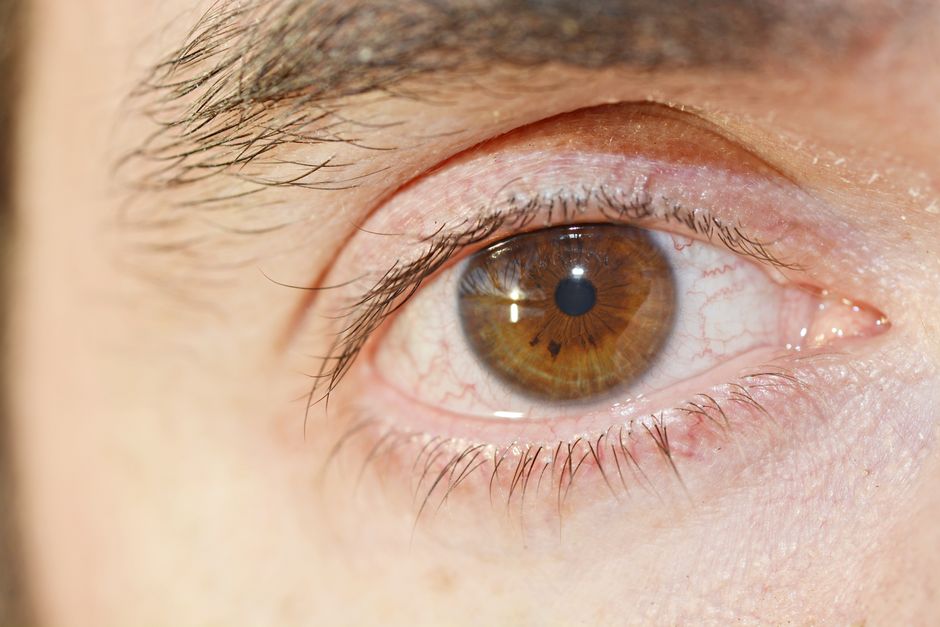
Dupixent (dupilumab) is a prescription injection used for eczema, asthma, and nasal polyps. For some people, it causes a side effect called conjunctivitis, which is inflammation of the thin clear tissue covering the white of the eye and the inside of the eyelids. The condition is treatable, and many cases resolve with simple eye drops, though some people need to see an eye specialist.
What Exactly Is Dupixent Conjunctivitis?
Conjunctivitis is the medical term for pink eye. When it happens during Dupixent treatment, it looks a lot like allergic conjunctivitis. The eye becomes red, itchy, or watery. Some people feel like there is sand or grit in their eye. Others notice a sticky discharge, especially in the morning.
This side effect is not an infection. It is an inflammatory reaction. Standard antibiotic drops will not help it because there is no bacteria to kill.
The condition appears most often in people using Dupixent for eczema, particularly those with moderate to severe disease. It is less common in people using the drug for asthma or nasal polyps. The reason for this difference is not fully understood.
How Common Is This Side Effect?
Clinical trials give us the clearest picture. In studies of patients with eczema, about 8 to 28 percent reported conjunctivitis, depending on the dose and how long they were treated. The higher doses produced more cases.
For comparison, the rate in the placebo groups was around 2 to 8 percent. So the drug clearly raises the risk, but most people on Dupixent never develop this problem.
In trials for asthma and nasal polyps, the rates were much lower, roughly 3 to 6 percent. Most cases are mild to moderate. Severe cases that require stopping the drug are rare.
Why Does Dupixent Cause Conjunctivitis?
Dupixent works by blocking two proteins in the immune system called IL-4 and IL-13. These proteins drive inflammation in eczema and asthma. Blocking them calms the skin and lungs.
But the eye has its own immune environment. Research suggests that IL-13 normally helps protect the surface of the eye by supporting goblet cells. These cells produce mucus that keeps the eye lubricated. When IL-13 is blocked, goblet cell function may drop. The eye surface becomes dry and irritated, which sets off inflammation.
This explains why the condition looks like dry eye plus allergy at the same time. It also explains why standard allergy drops are not always enough. The underlying problem is a change in how the eye maintains its protective surface.
The exact mechanism is still being studied. What is clear is that this is not an allergic reaction to the drug itself. It is a change in normal eye biology triggered by the medication’s intended effect on the immune system.





What Are the Symptoms to Watch For?
Symptoms usually start within the first few months of treatment, but they can appear at any time. The most common complaints are:
- Redness in one or both eyes
- Itching or burning
- Watery eyes or excessive tearing
- A gritty or sandy feeling
- Mild swelling of the eyelids
- Mucus discharge, often worse in the morning
Some people also report blurred vision. This usually happens because tears and discharge spread across the eye surface. If vision stays blurry after blinking or wiping the eye, that is a reason to see a doctor sooner rather than later.
Pain is not typical. If you have significant eye pain, sensitivity to light, or sudden vision changes, stop guessing and get medical attention. Those symptoms are not typical of Dupixent conjunctivitis and need proper evaluation.
How Is Dupixent Conjunctivitis Treated?
Treatment depends on severity. For mild cases, artificial tears used several times a day may be enough. These are over-the-counter lubricating drops. They do not treat inflammation, but they soothe the surface and help the eye recover.
For moderate cases, doctors often prescribe topical anti-inflammatory drops. These may include corticosteroid eye drops or a medication called cyclosporine. These are prescription only. Do not use over-the-counter redness relievers like tetrahydrozoline (Visine). They shrink blood vessels temporarily but do not treat the underlying inflammation and can make dryness worse with long-term use.
Warm compresses and gentle eyelid hygiene can help if there is discharge or eyelid involvement. Some clinicians recommend preservative-free artificial tears because preservatives can irritate an already inflamed eye.
In persistent cases, an eye specialist (ophthalmologist) should be involved. They can examine the eye with a slit lamp, check for damage to the cornea, and adjust treatment. Most cases respond well to topical therapy. Very few people need to stop Dupixent entirely because of this side effect.
Can You Prevent Dupixent Conjunctivitis?
There is no guaranteed prevention. But some strategies may reduce the risk or catch the problem early.
If you already have dry eye or a history of conjunctivitis, tell your doctor before starting Dupixent. Some dermatologists refer these patients to an eye specialist before beginning treatment. This is a precaution, not a requirement.
Using artificial tears regularly, even before symptoms start, may help maintain the eye surface. Some clinicians recommend this proactively, though studies have not definitively proven it prevents the condition. It is low risk and reasonable to try.
Do not stop Dupixent on your own. The drug is treating a serious condition. Stopping it can cause a flare of eczema or asthma that is far worse than eye irritation. Instead, report symptoms to your prescribing doctor early. The sooner treatment starts, the easier it is to control.
When Should You See a Doctor?
Any new eye symptom while on Dupixent deserves a conversation with your doctor. You do not need to rush to an emergency room, but do not ignore it for weeks either.
See a doctor promptly if you have:
- Eye pain
- Blurred vision that does not clear with blinking
- Light sensitivity
- Discharge that is thick, yellow, or green
- Swelling of the eyelid that worsens over days
These symptoms may indicate something other than Dupixent conjunctivitis, such as a bacterial infection or corneal involvement. The drug does not make you immune to other eye problems.
Your primary doctor or dermatologist can often manage mild cases. For anything persistent, recurrent, or affecting your vision, an ophthalmologist is the right choice. They have the tools to see the eye surface in detail and rule out complications.
Does Conjunctivitis Mean You Must Stop Dupixent?
No. Most people continue Dupixent while treating the eye symptoms. The conjunctivitis is manageable, and the benefit of controlling severe eczema or asthma usually outweighs the inconvenience of eye drops.
In clinical trials, only a small percentage of patients discontinued the drug because of eye problems. The majority resolved with treatment or continued with mild symptoms that did not interfere with daily life.
That said, if the eye condition becomes severe, does not respond to topical treatment, or causes corneal damage, your doctor may discuss reducing the dose or stopping the drug. This decision is made case by case. It is never a decision to make alone.
What Happens After Stopping Dupixent?
If the drug is stopped, conjunctivitis typically resolves over weeks. The eye surface recovers as IL-13 signaling returns to normal. Most people do not have permanent eye damage from this side effect.
The bigger concern is what happens to the condition Dupixent was treating. Eczema and asthma flares can be severe. If you and your doctor decide to stop the drug, you need a plan for managing the underlying disease before you stop.
There is no evidence that Dupixent conjunctivitis causes long-term vision loss. Corneal involvement is rare and usually reversible with prompt treatment. The key is not to ignore symptoms for months.
Is This the Same as Regular Pink Eye?
Not exactly. Regular pink eye is usually caused by a virus, bacteria, or allergen. Dupixent conjunctivitis is an inflammatory condition driven by changes in the eye’s immune environment.
This difference matters for treatment. Antibiotic drops do nothing for Dupixent conjunctivitis. Antiviral drops do nothing. Even standard allergy drops may not fully control it because the cause is not a typical allergic response.
If you go to a pharmacy and buy “pink eye” drops without seeing a doctor, you are likely wasting money. The right treatment requires a proper diagnosis.
Frequently Asked Questions
How long does Dupixent conjunctivitis last?
Mild cases may last a few weeks with treatment. Most cases improve within one to three months of starting eye drops, and many resolve without stopping Dupixent.
Can I use over-the-counter eye drops for Dupixent conjunctivitis?
Artificial tears are safe and can help with dryness and discomfort. Do not use redness-reliever drops like Visine because they do not treat inflammation and can worsen dryness over time.
Will Dupixent conjunctivitis damage my vision permanently?
Permanent vision damage is rare. Most cases are mild and reversible with proper treatment, but persistent symptoms should be evaluated by an eye specialist to rule out corneal involvement.
Should I stop Dupixent if I get conjunctivitis?
Do not stop the medication on your own. Talk to your prescribing doctor first. Most people continue Dupixent and manage the eye symptoms separately.
