
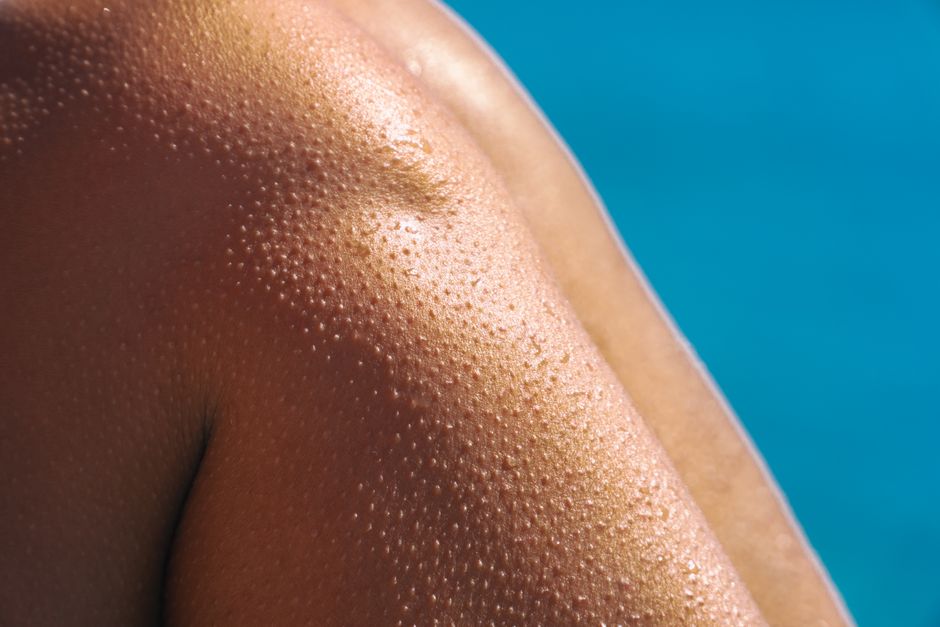
Dry skin happens when the outer layer of your skin loses water faster than it can hold onto it. The most common triggers are cold weather, low humidity, long hot showers, harsh soaps, and aging. Medical conditions can also cause it, including eczema, psoriasis, diabetes, and thyroid problems. Most cases are manageable with basic skin care, but dry skin that persists or comes with other symptoms deserves a medical look.
What Causes Dry Skin Common And Medical Triggers?
Your skin has a built-in barrier that holds water in and keeps irritants out. The outermost layer, called the stratum corneum, is made of skin cells packed together with fats and proteins. When that barrier works well, water stays inside. When it breaks down, moisture escapes and dryness follows.
Three things weaken the barrier. First, the skin can lose its natural oils. Second, the skin can lose water to dry air around it. Third, the skin can be damaged by something it touches. Most everyday dry skin comes from some mix of these.
Medical causes work differently. They either damage the barrier from the inside or change how the skin repairs itself. That is why some people moisturize constantly and still have dry, cracked skin. The problem is not on the surface alone.
Everyday triggers
- Cold air and low indoor humidity in winter
- Long or very hot showers and baths
- Harsh soaps, body washes, and hand sanitizers
- Frequent handwashing, especially with hot water
- Sun exposure and wind
- Indoor heating and air conditioning
- Aging, which reduces oil production and skin thickness
Medical triggers
- Atopic dermatitis (eczema)
- Psoriasis
- Diabetes
- Hypothyroidism (underactive thyroid)
- Kidney disease
- Nutritional deficiencies, including vitamin A and essential fatty acids
- Medications such as diuretics and some acne treatments
How Does Cold Weather and Low Humidity Cause Dry Skin?
Cold air holds less moisture, and when that air moves indoors and gets heated, it dries out further. The result is a double hit. Your skin loses water to the dry air around it, and the cold itself slows the skin’s oil production.
This is why dry skin is so common in winter. The same person who has no skin trouble in summer can develop flaking, tightness, and itching once heating season starts. Indoor heating is a big part of it. A heated room can be much drier than the outdoor air it came from.
There is a simple way to think about it. Water moves from wet to dry. When the air around your skin is very dry, water leaves your skin faster. The barrier has to work harder to keep up, and if it is already slightly weakened, dryness shows up quickly.
Running a humidifier and keeping showers shorter and cooler both help. These are standard recommendations and supported by how skin barrier function works, though large trials on humidifier use specifically are limited.
Why Do Hot Showers and Harsh Soaps Make Dry Skin Worse?
Hot water strips oils from the skin surface faster than warm water does. It also opens up the outer layer slightly, which can let water escape more easily once you dry off. Long, hot showers feel good and leave skin feeling tight and dry an hour later.
Soaps matter just as much. Many bar soaps and scented body washes contain detergents that remove oils along with dirt. They are effective cleaners, but they can leave the skin barrier less able to hold water. This is not a small effect for people with already dry or sensitive skin.
Fragrance is a common culprit. It is one of the most frequent causes of skin irritation and allergic reactions in personal care products. Unscented does not always mean fragrance-free, so check labels if you are sensitive.
Gentler options include fragrance-free cleansers and soap substitutes designed for sensitive skin. Dermatologists commonly recommend these for people with dry or eczema-prone skin. The general principle — reduce oil stripping — is well established even where specific product comparisons are not.
When Is Dry Skin a Sign of a Medical Condition?
Dry skin is usually a surface problem. Sometimes it is a signal that something else is going on. The clues are persistence, location, and other symptoms that do not fit simple dryness.
Eczema (atopic dermatitis) is one of the most common medical causes. It causes dry, itchy, inflamed patches, often in the folds of the elbows and knees in adults. The skin barrier is genetically weaker in people with eczema, so water escapes more easily even with good care.
Psoriasis causes thick, scaly patches, often on the elbows, knees, and scalp. It is an immune-driven condition, not simple dryness, and it needs different treatment.
Hypothyroidism can cause dry, rough skin along with fatigue, cold intolerance, and weight changes. The thyroid affects skin cell turnover and oil production. Dry skin alone is rarely the only sign, but it can be part of the picture.
Diabetes is linked with dry skin, partly through reduced sweating and changes in skin hydration. Poor circulation and nerve damage can also affect skin health.
Kidney disease and some nutritional deficiencies can cause dry, flaky skin too. These are less common and usually come with other symptoms.
See a doctor if dry skin is severe, does not improve with basic care, comes with a rash, cracking, bleeding, or signs of infection, or appears alongside symptoms like fatigue, weight change, or increased thirst.
Does Aging Cause Dry Skin?
Aging is one of the most reliable causes of dry skin. As people get older, the skin produces less oil, holds less water, and thins out. The barrier becomes less efficient at repair. This is a normal part of aging, not a disease.
By middle age, many people notice their skin is drier than it used to be, especially on the lower legs, arms, and hands. The change is gradual and expected. It is not a sign that something is wrong on its own.
Older adults also tend to have more medical conditions and take more medications, some of which affect skin moisture. Diuretics, for example, increase urine output and can contribute to dehydration and dry skin. This is one reason dry skin becomes more common with age beyond simple oil loss.
Moisturizing regularly and avoiding harsh soaps remain the mainstays of care at any age. The basics do not change with age, they just matter more.
Can Medications and Health Habits Cause Dry Skin?
Yes. Some medications list dry skin as a known side effect. Diuretics, some blood pressure medications, retinoids used for acne, and certain cholesterol drugs have been associated with dryness. This does not mean everyone who takes them will have dry skin, but it is a recognized possibility.
Habits matter too. Smoking reduces blood flow to the skin and is linked with poorer skin health. Not drinking enough water can contribute to dehydration, which shows up in the skin. Alcohol can have a similar effect.
Diet plays a role. Severe deficiencies in vitamin A or essential fatty acids can cause dry, scaly skin. Mild dietary variation, however, is not a common cause of dry skin in people eating a normal diet. The link between diet and dry skin is often overstated.
If you suspect a medication is causing dry skin, do not stop taking it on your own. Talk to your prescriber. Many side effects can be managed without changing the medication, and stopping some drugs suddenly can be dangerous.
What Actually Helps Dry Skin?
Moisturizing is the foundation of care. Moisturizers work in two ways. Some ingredients, called humectants, pull water into the skin. Others, called emollients and occlusives, seal water in and soften the skin. Products that combine both tend to work best.
Apply moisturizer within a few minutes of bathing, while skin is still slightly damp. This traps water before it evaporates. Thicker creams and ointments generally hold moisture better than lotions, especially in winter or for very dry skin.
Other well-supported steps include:
- Shorter, cooler showers
- Fragrance-free, gentle cleansers
- A humidifier in dry indoor air
- Protecting skin from wind and cold
- Avoiding harsh scrubs and exfoliants on dry areas
For dry skin caused by a medical condition, basic skin care helps but may not be enough. Eczema and psoriasis often need prescription treatment. The evidence for these treatments is strong, and a doctor can match the approach to the condition.
One clarification worth knowing: drinking extra water beyond your thirst does not reliably fix dry skin in otherwise healthy people. Hydration matters for overall health, but the skin barrier is more affected by what you put on it than by how much water you drink. This is a common misconception.
Frequently Asked Questions
What is the most common cause of dry skin?
Cold weather, low humidity, and harsh soaps are the most common everyday causes. Aging is the most common cause that develops gradually over time.
Can dry skin be a sign of a thyroid problem?
Yes, hypothyroidism can cause dry, rough skin, but it usually comes with other symptoms like fatigue and cold intolerance. Dry skin alone is rarely the only sign.
Does drinking more water help dry skin?
Not reliably in otherwise healthy people. The skin barrier is affected more by moisturizers and cleansing habits than by extra water intake.
When should I see a doctor for dry skin?
See a doctor if dry skin is severe, does not improve with basic care, or comes with a rash, cracking, bleeding, or other symptoms. These can point to a medical cause that needs treatment.
