
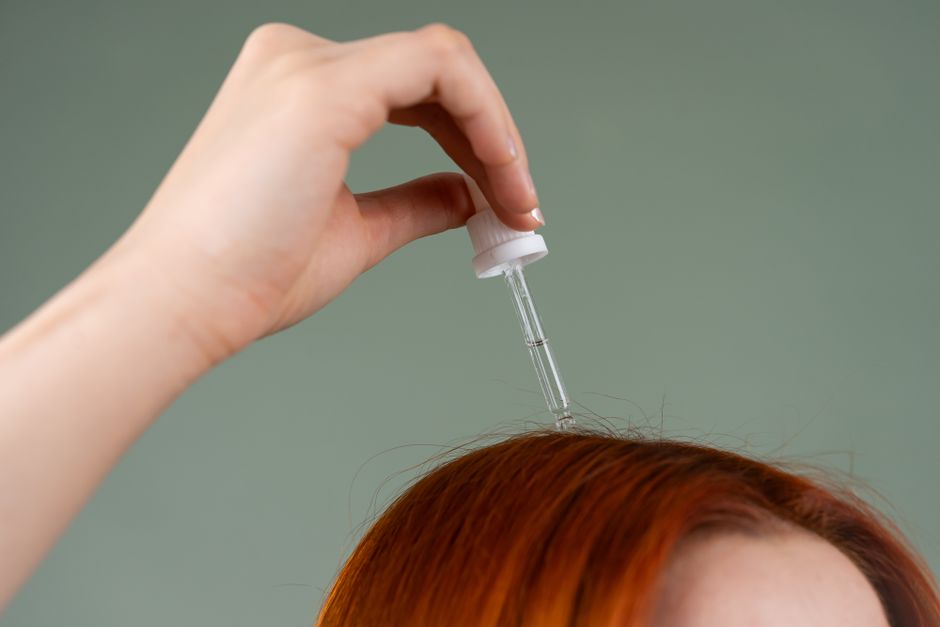
Dry scalp and dandruff can look almost identical in the mirror, but they start from opposite problems. Dry scalp is skin that has lost moisture and flakes as a result. Dandruff is a flaking condition driven largely by oil, a common yeast that lives on everyone’s scalp, and how the skin reacts to it. One needs moisture. The other usually needs the oil and yeast managed. Treating one like the other is why so many people fight flakes for years without results.
That single difference — too little oil versus too much, plus a yeast reaction — is the key to telling them apart and choosing what actually works.
What Causes Dry Scalp And Dandruff Key Differences?
Dry scalp is a moisture problem. Dandruff is an oil-and-yeast problem. The flakes can look the same, but the scalp underneath is behaving differently in each case.
Your scalp, like the rest of your skin, constantly sheds dead cells. Usually they are too small to see. When something disrupts that process, the cells clump together and become visible flakes. The question is what disrupted it.
In dry scalp, the skin barrier has lost water. Cold weather, low humidity, harsh shampoos, and frequent hot showers can all strip moisture from the scalp. The skin tightens, sheds in small dry pieces, and often feels itchy or tight. The flakes tend to be small and white.
In dandruff, the scalp is usually oily, not dry. A yeast called Malassezia lives on the scalps of most people without causing any problem. In people who develop dandruff, the skin reacts to this yeast with inflammation and faster cell turnover. The result is larger, greasier flakes that often look yellowish and cling to the hair and shoulders.
The key insight many people miss: dandruff is not a hygiene failure, and it is not caused by a dry scalp. The yeast is normal skin flora. The reaction to it is what varies from person to person.
How Can You Tell Dry Scalp And Dandruff Apart?
Look at the flakes, the scalp, and how your hair behaves. Those three clues usually separate the two.
- Flake size and texture: Dry scalp flakes are small, white, and powdery. Dandruff flakes are larger, often yellowish, and may feel greasy.
- Scalp feel: A dry scalp feels tight and rough. A dandruff scalp often feels oily or normal but inflamed.
- Hair: Dry scalp often comes with dry, brittle hair. Dandruff can happen with oily or normal hair.
- Timing: Dry scalp tends to worsen in winter and dry climates. Dandruff can persist year-round and often flares with stress.
- Location: Dandruff stays mostly on the scalp. Dry scalp flaking can extend to the eyebrows, ears, and other areas.
This is a guide, not a diagnosis. The two can overlap, and other conditions — psoriasis, seborrheic dermatitis, eczema, or a fungal infection — can produce flakes that look similar. If flaking is severe, painful, or spreading, a dermatologist is the right person to sort it out. A primary care doctor can also help with initial assessment.
Why Does Dandruff Keep Coming Back?
Dandruff returns because the yeast that drives it is a permanent resident of your scalp. You are not eliminating it. You are keeping it and the skin reaction under control.
Malassezia feeds on sebum, the oil your scalp produces. That is why dandruff tends to appear after puberty, when oil production rises, and why it can flare during stressful periods. When an anti-dandruff shampoo is stopped, oil and yeast levels return to their previous state, and flakes often come back within weeks.
This is why dandruff treatment is usually ongoing rather than a one-time fix. Many people find they need to keep using an anti-dandruff shampoo regularly, sometimes alternating with a regular shampoo, to stay clear. That is normal and expected — not a sign the product failed.
Some research suggests dandruff and seborrheic dermatitis exist on a spectrum. Seborrheic dermatitis is a more inflamed form, with redness and sometimes yellowish scales, and it can affect the face and chest as well as the scalp. If your flaking is red, itchy, and extends beyond the hairline, that is worth a medical look.
What Helps Dry Scalp?
A dry scalp responds to moisture and gentler cleansing. The goal is to stop stripping the skin and help it hold water.
Washing less often with a mild, fragrance-free shampoo can help. So can lowering the water temperature — hot showers strip oils from skin. Some people benefit from a scalp moisturizer or a leave-in conditioning treatment. Humidifiers can help in dry winter air.
Be cautious with harsh clarifying shampoos and strong scalp scrubs if your scalp is genuinely dry. They can make the problem worse. If over-the-counter moisturizing approaches do not help after a few weeks, it is reasonable to see a clinician, since what looks like dry scalp can sometimes be something else.
What Helps Dandruff?
Dandruff responds to shampoos with active ingredients that reduce the yeast or slow skin turnover. Several options exist, and different people respond to different ones.
Common active ingredients include zinc pyrithione, selenium sulfide, ketoconazole, coal tar, and salicylic acid. Each works somewhat differently. Ketoconazole and zinc pyrithione target the yeast. Salicylic acid helps lift flakes. Coal tar slows cell turnover.
How you use the shampoo matters as much as which one you pick. Most anti-dandruff shampoos need to stay on the scalp for a few minutes before rinsing to work. Many people rinse too quickly. If one ingredient does not work after several weeks of proper use, switching to a different one is a reasonable next step.
The evidence for these ingredients is generally solid for reducing flakes and scaling, though individual responses vary. No single ingredient is proven best for everyone. If dandruff is stubborn or comes with significant redness, a dermatologist can recommend prescription options.
Can You Have Dry Scalp And Dandruff At The Same Time?
Yes. This is common and it is why the two get confused. A scalp can be oily enough to feed dandruff yeast while the skin surface is dehydrated from harsh products or weather.
When both are present, the usual approach is to treat the dandruff first, then address dryness. Anti-dandruff shampoos can be drying, so pairing them with a gentle conditioner and avoiding very hot water helps. Some people alternate an anti-dandruff shampoo with a moisturizing one.
If you are unsure which problem you have, a simple test helps: try a moisturizing routine for a couple of weeks. If flakes improve, dryness was likely a factor. If they persist or worsen, dandruff is more likely, and an anti-dandruff shampoo is the better next step.
When Should You See A Doctor?
See a clinician if flaking is severe, does not improve after several weeks of appropriate over-the-counter treatment, or comes with redness, swelling, pain, or spreading beyond the scalp.
Also seek care if you have patches of thick silvery scales, which can suggest psoriasis, or if you notice hair loss alongside flaking. These are not typical of simple dandruff or dry scalp and deserve proper evaluation. A dermatologist can distinguish between conditions that look similar and recommend treatment that fits.
Frequently Asked Questions
Is dandruff caused by a dry scalp?
No. Dandruff is driven mainly by oil and a reaction to a common scalp yeast, not by dryness. Dry scalp is a separate moisture problem that can produce similar-looking flakes.
How can I tell if I have dry scalp or dandruff?
Dry scalp flakes are usually small, white, and powdery, while dandruff flakes tend to be larger, greasier, and yellowish. Checking flake texture, scalp oiliness, and seasonal patterns usually points to the answer.
Can I use dandruff shampoo on a dry scalp?
It can help if dandruff is also present, but anti-dandruff shampoos can be drying on their own. Pairing them with a gentle conditioner and avoiding hot water reduces that risk.
Does dandruff ever go away permanently?
Dandruff can usually be controlled, but it often returns when treatment stops because the yeast lives on the scalp normally. Most people manage it with ongoing use of an anti-dandruff shampoo.
