
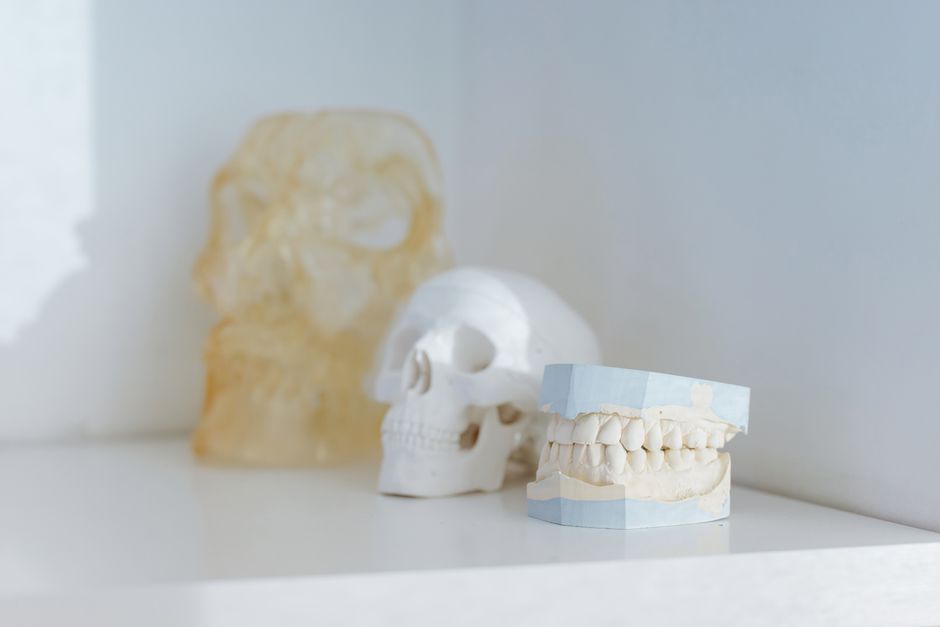
Dental bone loss happens when the jawbone that holds your teeth in place shrinks away. The most common cause is gum disease, a chronic infection that triggers your immune system to break down bone tissue around the teeth. Other causes include missing teeth, denture pressure, hormonal changes, smoking, and certain medical conditions or medications.
What Causes Dental Bone Loss?
Your jawbone is not a fixed structure. It constantly rebuilds itself through a process called remodeling, where old bone is broken down and new bone is laid down. When something tips that balance toward breakdown, bone loss follows.
Gum disease is behind most cases. But it is not the only path. Understanding the full list of causes helps explain why bone loss can happen even to people who brush and floss carefully.
- Periodontal disease — the leading cause worldwide
- Tooth loss — when a tooth is gone, the bone that supported it resorbs
- Denture wear — constant pressure on the ridge accelerates bone loss
- Hormonal shifts — especially low estrogen after menopause
- Smoking — reduces blood flow and impairs healing
- Medical conditions — diabetes, osteoporosis, and others
- Medications — some drugs affect bone metabolism
- Trauma or infection — localized injury to the jaw
How Does Gum Disease Destroy Jawbone?
Gum disease starts with plaque, a sticky film of bacteria that forms on teeth. When plaque stays on the teeth and below the gumline, the bacteria trigger inflammation. Your body’s immune response is what actually destroys the bone.
Here is the mechanism. Bacteria in plaque release toxins. Your immune system sends inflammatory cells to fight them. Those cells release enzymes and signaling molecules, including prostaglandins and cytokines, that break down the connective tissue and bone holding teeth in place. The bone does not dissolve because bacteria eat it. It dissolves because your own immune response, meant to protect you, destroys it over time.
This is why gum disease can progress silently. Early on, you may notice bleeding gums or bad breath. As it advances, the bone that anchors teeth recedes. Teeth become loose. In severe cases, they fall out.
Research consistently shows that periodontitis is the primary cause of alveolar bone loss — the bone that surrounds and supports tooth roots. The longer the inflammation goes untreated, the more bone is lost. Once bone is gone, it does not grow back on its own.
Why Does Bone Disappear After a Tooth Is Pulled?
Bone needs stimulation to stay. When a tooth is extracted, the periodontal ligament that connected the tooth to bone is removed. Without the mechanical stress of chewing transmitted through that tooth, the surrounding bone loses its signal to rebuild.
Bone resorption after extraction is well documented. Most of the loss happens in the first few months, but it continues over years. The ridge narrows and flattens. This is why dentures that fit well at first become loose later — the bone underneath has shrunk.
This process is normal and expected. It is not a disease. But it has real consequences for anyone planning dental implants or dentures. That is why some dentists recommend bone grafting at the time of extraction, though whether grafting is needed depends on the site and the plan for replacement.




Can Health Conditions and Medications Cause Jawbone Loss?
Several systemic conditions affect bone throughout the body, including the jaw. Osteoporosis, a disease of low bone mass, can reduce bone density in the jaw as well as the hips and spine. Some research indicates that people with osteoporosis may be more likely to experience periodontal bone loss, though the relationship is complex and not fully settled.
Diabetes is strongly linked to gum disease. High blood sugar impairs immune function and slows healing, which makes periodontal disease worse and harder to control. This connection is well established.
Certain medications also affect bone. Long-term use of corticosteroids can reduce bone density. So can some drugs used to treat cancer or suppress the immune system. In rare cases, medications called bisphosphonates — used for osteoporosis and some cancers — have been associated with osteonecrosis of the jaw, a condition where jawbone fails to heal. This is uncommon and mostly occurs after dental procedures in people receiving high-dose intravenous forms.
If you take a medication that affects bone, your dentist should know. It changes how they plan treatment.
Does Menopause Cause Dental Bone Loss?
Menopause can accelerate bone loss throughout the skeleton, including the jaw. Estrogen helps regulate bone remodeling. When estrogen drops after menopause, bone breakdown outpaces bone formation.
This does not mean every woman going through menopause will lose jawbone. But the risk rises. Some studies suggest that postmenopausal women with osteoporosis are more likely to have periodontal disease and tooth loss. The evidence points in that direction, though not all studies agree on the strength of the link.
What matters practically: if you are postmenopausal and have gum disease, the combination can be harder on your jawbone than either factor alone. Regular dental checkups and good periodontal care matter more, not less, during this stage of life.
Can Smoking and Poor Oral Habits Make It Worse?
Smoking is one of the strongest risk factors for periodontal disease, and it directly worsens bone loss. Nicotine narrows blood vessels, reducing blood flow to the gums. This limits oxygen and nutrients and impairs the tissue’s ability to heal.
Smokers often have less bleeding when they have gum disease. That sounds like a good thing. It is not. Bleeding is a warning sign, and when it is masked, people may not realize their gums are diseased until bone loss is advanced.
Other habits matter too. Poor oral hygiene lets plaque build up. Teeth grinding puts excess force on the bone and ligaments. A diet low in calcium and vitamin D may weaken bone over time, though the direct effect on jawbone specifically is less clear than for the skeleton as a whole.
How Is Dental Bone Loss Treated?
Treatment depends on the cause. For gum disease, the goal is to control the infection and stop further bone loss. This usually means professional deep cleaning, sometimes called scaling and root planing, to remove plaque and tartar below the gumline. In more advanced cases, surgery may be needed.
Once bone is lost, it does not regenerate on its own. Bone grafting can rebuild lost bone in some situations, often in preparation for dental implants. The graft provides a scaffold that your body can use to grow new bone. Success depends on the site, your health, and whether the underlying cause is controlled.
For missing teeth, replacing them with implants can help preserve bone because the implant transmits chewing forces to the jaw, similar to a natural tooth root. Dentures that rest on the gums do not provide that stimulation, and bone loss continues under them.
No treatment works if the cause is not addressed. If gum disease is active, it must be managed first. If you smoke, quitting improves outcomes. If you have diabetes, blood sugar control matters.
What Can You Do to Protect Your Jawbone?
You cannot control every factor, but several steps reduce risk. Brush twice daily and clean between your teeth. See a dentist regularly for exams and cleanings. If you notice bleeding gums, persistent bad breath, or loose teeth, get evaluated promptly.
If you have lost a tooth, talk to your dentist about replacement options. Delaying can mean more bone loss and a harder time placing an implant later.
If you smoke, quitting is one of the most effective things you can do for your gums and jawbone. If you have a condition like diabetes or osteoporosis, managing it well supports oral health too.
Bone loss is often silent until it is advanced. Regular dental care is how it gets caught early, when there is still time to slow it down.
Frequently Asked Questions
What is the main cause of dental bone loss?
Gum disease is the leading cause. The inflammation it triggers breaks down the bone that supports your teeth.
Can dental bone loss be reversed?
No, lost jawbone does not grow back on its own. Bone grafting can rebuild bone in some cases, but the goal is usually to stop further loss.
Does bone loss happen after a tooth extraction?
Yes, bone resorption after extraction is normal and expected. Most loss occurs in the first few months, but it continues over time.
Can menopause cause jawbone loss?
Menopause can accelerate bone loss throughout the body, including the jaw. The drop in estrogen tips the balance toward bone breakdown.
