
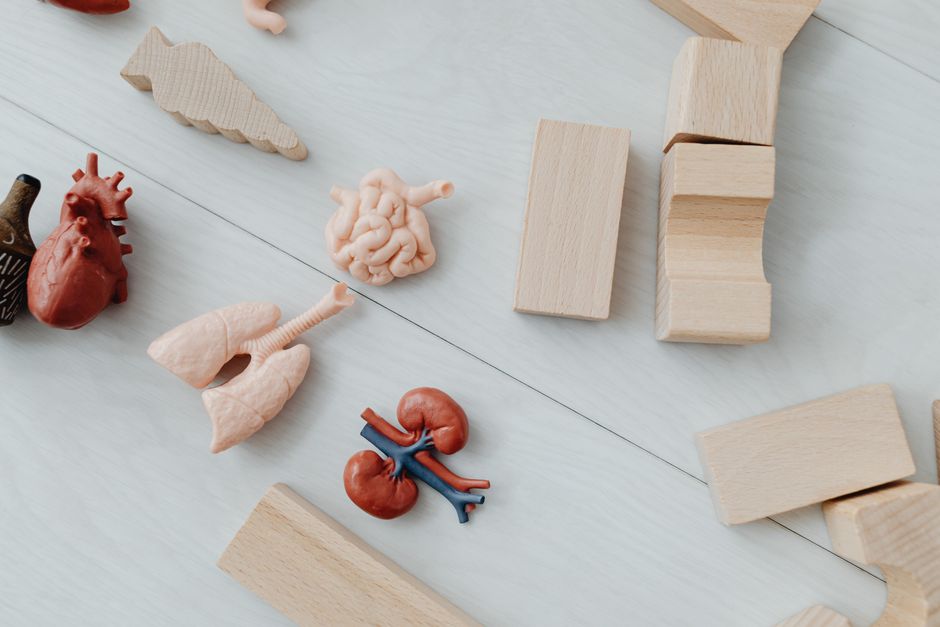
Kidney cysts are fluid-filled sacs that form on or inside the kidneys. The most common cause is age—simple cysts develop in about 1 in 4 people over 50. Other causes include a genetic condition called polycystic kidney disease (PKD), long-term dialysis, or rarely an underlying kidney disease that leads to cyst formation.
What Are Kidney Cysts?
Kidney cysts are round pouches of fluid that grow on the kidney surface or within the kidney tissue. They can range from very small (barely visible) to several inches across. Most kidney cysts are simple cysts: thin-walled, filled with clear fluid, and benign.
Complex cysts have thicker walls, solid areas, or internal separations. These require closer evaluation because a small number may contain cancer cells. Radiologists use a standard classification system (Bosniak system) to describe cyst features and recommend next steps.
What Causes Kidney Cysts?
Simple kidney cysts form when a tiny tubule in the kidney becomes blocked and fills with fluid. This process becomes more common as you age. By age 50, about 25% of people have at least one simple cyst. By age 70, that figure rises to roughly 50%.
Polycystic kidney disease (PKD) is an inherited condition caused by mutations in the PKD1 or PKD2 genes. These mutations lead to hundreds of cysts growing in both kidneys, often starting in childhood or young adulthood. PKD is one of the most common life-threatening genetic diseases, affecting about 1 in 1,000 people.
Acquired cystic kidney disease (ACKD) happens in people with end‑stage kidney disease, especially those on long-term dialysis. The kidneys form multiple cysts over time, often without symptoms. ACKD increases the risk of kidney cancer, but that risk remains low overall.
Are Kidney Cysts Dangerous?
Most kidney cysts are harmless and cause no symptoms. Simple cysts are almost never dangerous. They often go unnoticed and require no treatment.
However, large cysts—typically over 5 centimeters—can press on nearby organs and cause dull flank pain, a feeling of fullness, or blood in the urine. Cysts can also become infected or rupture, causing sudden pain.
Complex cysts carry a small risk of being cancerous. The risk depends on the cyst’s features. Many complex cysts are benign but require monitoring with imaging scans every few months to a year.
In polycystic kidney disease, cysts gradually replace healthy kidney tissue, which can lead to high blood pressure, kidney infections, and eventually kidney failure. About half of people with PKD reach kidney failure by age 60.





How Are Kidney Cysts Diagnosed?
Most kidney cysts are found by accident during an ultrasound, CT scan, or MRI done for other reasons. These imaging tests clearly show the size, number, and shape of cysts.
Ultrasound is often the first test. It can tell a simple cyst from a complex one with good accuracy. If a cyst looks complex, a CT scan with contrast dye provides more detail. MRI is used when the diagnosis remains unclear.
Blood and urine tests may be ordered to check kidney function, but they do not diagnose cysts themselves.
What Is the Difference Between Simple and Complex Cysts?
Simple cysts have a thin, smooth wall and contain only clear fluid. They are always benign. Complex cysts have one or more suspicious features:
- Thick or irregular wall
- Solid nodules or masses inside
- Calcium deposits (calcifications)
- Multiple internal separations (septations)
Radiologists assign a category (Bosniak I through IV) based on these features. Bosniak I is a simple cyst. Bosniak II and IIF have minimal changes and are usually benign but need follow-up imaging. Bosniak III and IV have solid components and require surgical removal because the chance of cancer is higher.
Can Kidney Cysts Be Treated?
Simple cysts that cause no symptoms need no treatment. Doctors typically leave them alone and may not even mention them to you.
If a simple cyst becomes large and painful, a doctor can drain the fluid through a needle (aspiration) and inject alcohol to prevent it from refilling (sclerotherapy). Another option is laparoscopic surgery to remove the cyst wall. Both procedures are low‑risk and effective for symptom relief.
Complex cysts (Bosniak III or IV) are treated with surgery to remove the cyst or the affected part of the kidney. This is done to rule out or treat cancer. The type of surgery depends on the cyst size, location, and whether cancer is suspected.
For polycystic kidney disease, treatment focuses on managing complications: controlling blood pressure, preventing infections, and slowing kidney function decline. A drug called tolvaptan can slow cyst growth in certain patients with PKD. In advanced cases, dialysis or a kidney transplant may become necessary.
Can You Prevent Kidney Cysts?
There is no proven way to prevent simple kidney cysts. They are a normal part of aging for many people. Staying well hydrated and maintaining good kidney health through a balanced diet and regular checkups is sensible, but no study has shown these measures prevent cyst formation.
For polycystic kidney disease, because it is genetic, prevention is not possible. However, early diagnosis and treatment of high blood pressure can slow kidney damage. If you have a family history of PKD, talking to a doctor about genetic counseling may help you understand your risk.
For acquired cystic kidney disease, preventing the underlying kidney failure is the only real prevention strategy. Once dialysis is needed, cysts may still form even with good care.
When Should You See a Doctor About Kidney Cysts?
Most kidney cysts do not need a doctor’s attention. However, you should seek medical advice if you experience:
- Persistent pain in your side or back
- Blood in your urine
- A feeling of a lump or mass in your abdomen
- Fever along with kidney pain (possible infection)
- Unexplained high blood pressure
These symptoms can also be caused by other kidney problems, so a proper evaluation is important. If you already know you have a cyst, and it becomes painful or changes on follow‑up imaging, talk to your doctor.
Frequently Asked Questions
Can kidney cysts cause pain?
Yes, large cysts over 5 centimeters can press on nearby organs and cause a dull ache in the side or back. Rupture or infection can also cause sudden pain.
Do kidney cysts go away on their own?
No, simple kidney cysts do not disappear without treatment. They may grow slowly over years but usually stay the same size.
Can kidney cysts turn into cancer?
Simple cysts never turn into cancer. A small number of complex cysts (Bosniak III or IV) contain cancer cells, which is why they are removed.
Should I worry about a kidney cyst?
If it is a simple cyst found on imaging, no—they are extremely common and harmless. If it is a complex cyst, your doctor will guide you on monitoring or treatment.
