
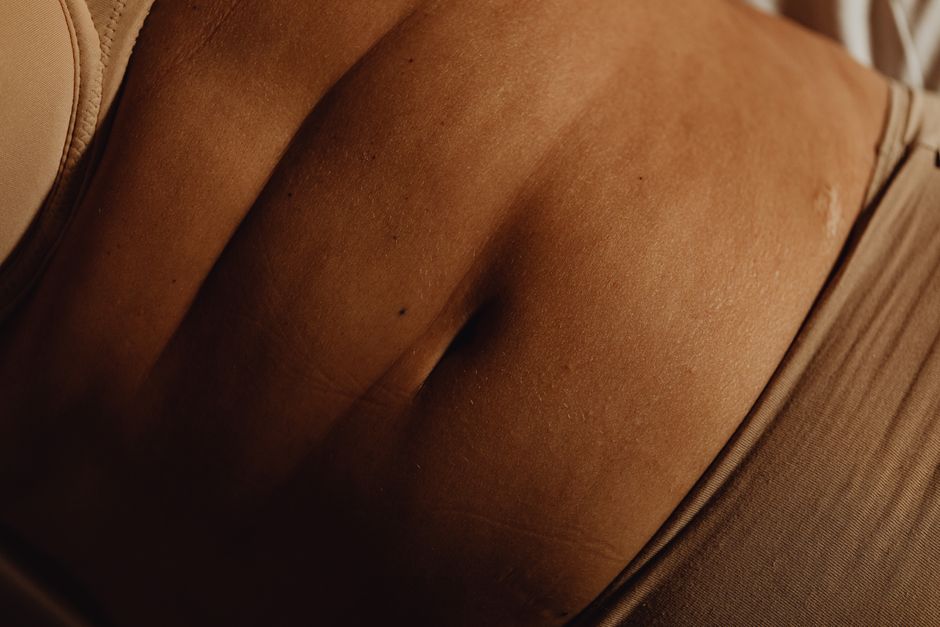
CPAP belly is the bloating and abdominal discomfort some people feel when they start using a CPAP machine for sleep apnea. It happens when air from the machine’s pressure gets swallowed and travels into your stomach instead of staying in your airway. The condition is treatable, and most people can reduce or eliminate it by adjusting settings, changing sleeping position, or treating underlying acid reflux.
What Causes CPAP Belly?
CPAP belly, sometimes called aerophagia, occurs when you swallow air while you sleep. The continuous positive airway pressure from your machine pushes air into your throat. Normally that air flows into your lungs. But if your throat is not fully open, or if your swallowing reflex triggers at the wrong moment, some air goes down the esophagus and into your stomach.
Your stomach can stretch to hold a surprising amount of gas. That stretching triggers pressure, bloating, and sometimes sharp pain. In severe cases, the gas can expand the stomach enough to push against your diaphragm, making it harder to breathe comfortably.
The most common trigger is a CPAP pressure setting that is too high for your needs. When the pressure exceeds what your airway requires, the excess air has nowhere to go except down. Another frequent cause is mouth breathing during sleep. If air escapes through your mouth while the machine pushes more in, you can gulp air reflexively.
Swallowing itself is also a factor. Everyone swallows several times an hour during sleep. If your throat muscles relax more than usual, or if you have a condition that makes swallowing less coordinated, more air gets trapped with each swallow.
How Do I Know If I Have CPAP Belly?
The symptoms usually appear within the first few hours after waking. You may feel bloated, pass gas more than usual, or hear gurgling sounds from your abdomen. Some people wake up with a visibly distended stomach. Others feel a dull ache that improves after they use the bathroom or pass gas.
Not all bloating on CPAP is aerophagia. Some people develop bloating from constipation, food intolerances, or irritable bowel syndrome that has nothing to do with their machine. If your bloating started around the same time you began CPAP therapy, aerophagia is the likely explanation. If you have had bloating for years before CPAP, look for other causes first.
Severe aerophagia can cause chest pain that feels like a heart issue. If you experience sudden, intense chest pain, shortness of breath, or pain that radiates to your arm or jaw, seek emergency care. Do not assume it is just gas.
Can CPAP Pressure Settings Cause Bloating?
Yes. Pressure settings are the single most common cause of CPAP belly. Your machine is set to a specific pressure that keeps your airway open during sleep. That pressure is determined during a sleep study. If it is too high, more air than necessary is delivered, and the excess has to go somewhere.
Some machines use automatic pressure adjustment. These devices raise and lower pressure throughout the night based on your breathing patterns. They can overshoot, especially if you have a stuffy nose or sleep in a position that partially collapses your airway. The result is a brief spike in pressure that forces air into your stomach.
If you suspect your pressure is too high, talk to your sleep medicine provider. They can review your machine’s data, which tracks how many events you have per hour and what pressure was delivered at each moment. A small adjustment often resolves the bloating completely.




What Role Does Acid Reflux Play?
Acid reflux and CPAP belly are closely linked. The muscle at the bottom of your esophagus, called the lower esophageal sphincter, normally keeps stomach contents from moving upward. When that muscle is weak or relaxes at the wrong time, air from your stomach can escape upward, and air from your throat can pass downward more easily.
People with untreated reflux often have a partially relaxed sphincter during sleep. That makes them more prone to swallowing air while on CPAP. The air then mixes with stomach acid, worsening both reflux symptoms and bloating.
Treating reflux can reduce CPAP belly. Elevating the head of your bed by a few inches, avoiding meals within three hours of bedtime, and limiting alcohol and caffeine in the evening are all reasonable steps. If you have been diagnosed with reflux, taking your prescribed medication consistently matters. Some studies suggest that CPAP itself can improve reflux symptoms by keeping the airway open, which changes pressure dynamics in the chest. But for some people, the machine makes reflux worse before it gets better.
How Can I Relieve CPAP Belly?
Start with the simplest fixes first. Check whether your mask fits properly. A mask that leaks air around the edges can cause you to swallow air as you adjust your position. Your mask should seal comfortably without being so tight that it presses on your stomach or chest.
Sleep position matters. Sleeping on your back with your head elevated on an extra pillow can help keep air moving downward into your lungs rather than your stomach. Some people find that sleeping on their side reduces bloating, though the evidence for one position over another is not strong. Experiment and see what works for you.
Your machine may have a feature called expiratory pressure relief. This lowers the pressure slightly when you exhale, which makes breathing feel more natural and reduces the amount of air you swallow. Many newer CPAP machines have this built in. Ask your provider whether yours does and whether enabling it is appropriate.
If you wake up bloated, gentle movement helps. Walking for ten minutes stimulates your digestive tract and encourages gas to pass. Simethicone products, sold over the counter as gas relief, can break up gas bubbles in your stomach. They are generally safe but do not address the underlying cause.
What If the Bloating Does Not Go Away?
If you have tried adjusting your mask, position, and pressure settings and still wake up bloated most mornings, see your sleep medicine provider. They can download data from your machine to see exactly what is happening overnight. They may lower your pressure, switch you to a different machine mode, or recommend a different type of airway support.
Some people do better on a machine called a BiPAP, which delivers different pressures for inhaling and exhaling. The lower exhale pressure can reduce aerophagia significantly. Others benefit from a machine that automatically adjusts pressure throughout the night rather than maintaining a fixed level.
Persistent aerophagia can also be a sign that your sleep apnea is not fully treated. If your airway is still collapsing despite CPAP, your body may be working harder to breathe, which increases swallowing. A repeat sleep study or an updated pressure prescription may be necessary.
There is no evidence that any supplement, herbal remedy, or dietary change cures CPAP belly. Some people report that reducing carbonated drinks or chewing gum helps, since both introduce extra gas into the digestive tract. That is reasonable advice but it will not fix aerophagia caused by your machine.
When Should I See a Doctor?
See your doctor if bloating is severe, happens every night, or interferes with your ability to use CPAP. Skipping CPAP because of bloating is dangerous. Untreated sleep apnea increases your risk of high blood pressure, heart disease, stroke, and daytime accidents. A temporary fix for bloating is not worth abandoning therapy.
Seek urgent care if you have abdominal pain that is severe, constant, or getting worse. Also seek care if bloating is accompanied by vomiting, fever, or blood in your stool. These symptoms are not typical of aerophagia and need evaluation.
Most people with CPAP belly find relief within a few weeks of starting therapy. The body often adapts to the sensation of pressurized air, and swallowing becomes more coordinated over time. If you are still bloated after a month of consistent use, that is the point to push for a pressure adjustment or a different machine.
Frequently Asked Questions
Does CPAP belly go away on its own?
For many people, yes, as their body adapts to the machine over several weeks. If it persists beyond a month, a pressure adjustment or different mask is usually needed.
Can I use gas relief medication for CPAP belly?
Simethicone products can help break up gas bubbles and provide temporary relief. They do not address the underlying cause, so you still need to adjust your machine settings or mask.
Will losing weight help with CPAP belly?
Weight loss can reduce the pressure your CPAP machine needs, which may indirectly reduce aerophagia. It does not directly stop air from entering your stomach.
Is CPAP belly dangerous?
It is uncomfortable but rarely dangerous. Seek emergency care if you have severe abdominal pain, vomiting, fever, or blood in your stool, as those are not typical aerophagia symptoms.
