
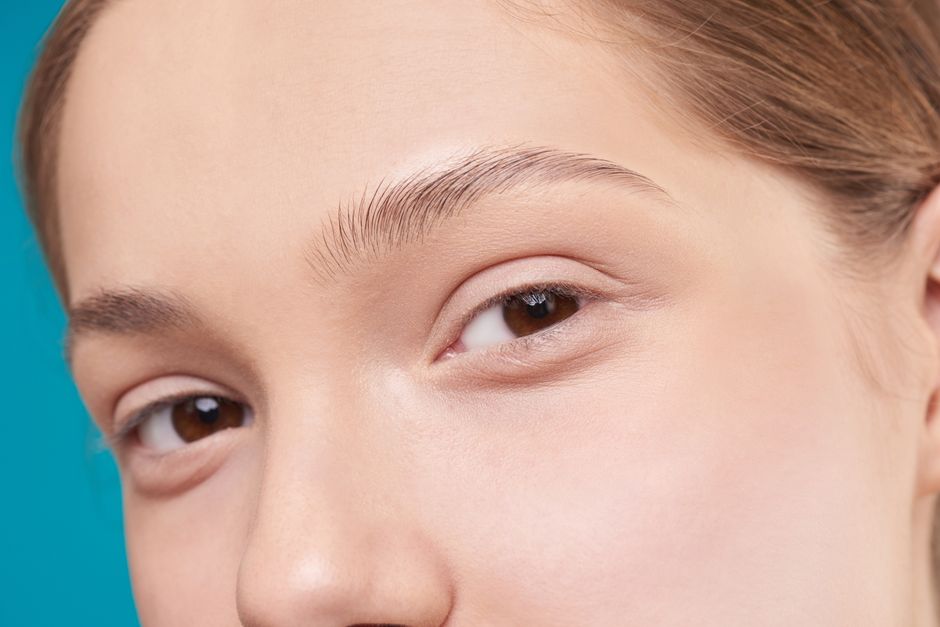
The skin around your eyes is the thinnest skin on your body, and it shows change before anywhere else. The periorbital region — the area that includes your eyelids and the circles under your eyes — changes because of a mix of genetics, aging, lifestyle habits, and sometimes medical conditions. These changes can show up as dark circles, puffiness, wrinkles, sagging, or hollowing. Some causes are completely normal and harmless. Others point to something worth discussing with a doctor.
What Is The Periorbital Region And Why Does It Change So Easily?
The periorbital region covers the eye socket area. It includes the upper and lower eyelids, the skin under the eyes, and the surrounding tissue. This skin is roughly 0.5 millimeters thick in some spots — much thinner than the skin on your arms or back.
That thinness matters. There is very little fat beneath the skin here, and the area has fewer oil glands than the rest of your face. That combination means the skin loses moisture faster and shows the effects of aging earlier. The blood vessels under the thin skin are also more visible, which is why dark circles are so common.
What Causes Dark Circles Under The Eyes?
Dark circles have three main causes: visible blood vessels, pigment, and shadowing from skin structure.
When the skin is thin, the blood vessels underneath show through as a bluish or purple tint. This is often genetic. People with naturally fair skin or a family history of thin under-eye skin tend to see this more.
Pigment-related dark circles are different. Some people have extra melanin in the under-eye area, which appears as brown or gray discoloration. This can be genetic, but it also gets worse with sun exposure. Rubbing your eyes repeatedly can also darken the area over time.
The third cause is shadowing. When the skin loses elasticity and the fat under the eye shifts or thins, it creates a hollow. That hollow casts a shadow that looks like a dark circle. This is not a pigment problem at all — it is a structural one.
Why Do Eyes Look Puffy Or Swollen?
Puffiness is usually fluid, not fat. The skin around the eyes is loose, and fluid can pool there when you lie down. When you wake up with puffy eyes, that is typically overnight fluid settling in the under-eye area.
Salt is a major trigger. A high-sodium meal causes your body to hold onto water, and that water has to go somewhere. The loose tissue around the eyes is an easy place for it to collect. Alcohol has a similar effect because it changes how your body manages fluids.
Allergies are another common cause. When you have an allergic reaction, your body releases histamine. Histamine causes blood vessels to dilate and leak fluid into surrounding tissue. That fluid buildup creates swelling around the eyes. This is why allergy season often comes with puffy eyes.
Sleep position also plays a role. Sleeping flat on your back means fluid distributes evenly. Sleeping on your stomach or side can cause fluid to pool on one side of the face, making one eye look puffier than the other in the morning.
What Causes Wrinkles And Sagging Around The Eyes?
Aging is the main driver here, but not the only one. Over time, your skin produces less collagen and elastin. These are the proteins that keep skin firm and springy. As production drops, the skin gets thinner and less able to bounce back.
Sun exposure accelerates this process significantly. Ultraviolet light breaks down collagen and elastin fibers. This process, called photoaging, is responsible for a large share of the wrinkles people blame on age alone. The skin around the eyes is especially vulnerable because it is thin and often overlooked when applying sunscreen.
Repetitive facial movements also matter. Every time you squint, smile, or frown, you crease the skin. Over decades, those temporary creases become permanent lines. This is why crow’s feet — the lines that fan out from the outer corners of the eyes — are so common.
Smoking speeds up skin aging throughout the body, and the periorbital region is no exception. Smoking reduces blood flow to the skin and damages collagen. Some research suggests smokers develop wrinkles around the eyes years earlier than non-smokers.
Why Do Eyes Look Hollow Or Sunken?
A hollowed appearance under the eyes is usually about fat loss. The area under the eye has a pad of fat that supports the skin and keeps it looking full. With age, that fat pad shrinks. When it shrinks, the skin above it has less support and sinks inward.
This is a structural change, not a fluid or pigment issue. No cream can restore lost fat. The hollowing is permanent unless addressed with medical procedures like dermal fillers, which a doctor would need to evaluate.
Rapid weight loss can also cause hollowing. When you lose a significant amount of weight, you lose fat from your face, including the under-eye area. The same is true for severe dehydration, which temporarily reduces the fullness of the tissue.
When Should Changes Around The Eyes Concern You?
Most periorbital changes are cosmetic and harmless. But some are not.
Sudden swelling in one eye, especially with redness or pain, could be an infection or a serious allergic reaction. If swelling comes with difficulty breathing, that is a medical emergency — call for help immediately.
Drooping of one eyelid that comes on suddenly can be a sign of a neurological issue. If you notice one eyelid sagging that was not there before, especially alongside weakness in your face or arm, seek medical attention right away.
Persistent puffiness that does not go away, or puffiness accompanied by other symptoms like fatigue or weight gain, could indicate a thyroid issue or kidney problem. These are not common, but they are worth mentioning to your doctor if you notice a pattern.
Yellowish plaques on the eyelids, called xanthelasma, can sometimes be a sign of high cholesterol. These are flat, soft, yellowish patches that appear on or around the eyelids. They are not dangerous themselves, but they can point to a lipid problem worth checking.
Can Changes Around The Eyes Be Prevented Or Reversed?
Some changes are preventable. Sun protection is the single most effective step. Daily sunscreen on the entire face, including the eye area, reduces photoaging. Sunglasses that block UV light also help because they stop you from squinting.
Moisturizers help with fine lines caused by dryness, but they do not change skin structure. Retinoids, which are vitamin A derivatives, have the strongest evidence for improving fine wrinkles. They work by increasing collagen production, but they can irritate the eye area, so they need to be used carefully and under guidance.
For dark circles caused by visible blood vessels, cold compresses can temporarily constrict the vessels and reduce the bluish tint. For pigment-related circles, sunscreen is the main preventive measure. For shadowing from hollows, only cosmetic procedures change the structure.
For puffiness, reducing salt intake and managing allergies are the most effective approaches. Sleeping with your head slightly elevated can also reduce morning puffiness because it helps fluid drain away from the face overnight.
It is important to be honest about what products can and cannot do. No topical cream has been proven to restore lost fat, tighten loose skin, or permanently remove dark circles. The cosmetic industry sells many products with big promises, but the evidence for most is thin. If a product sounds too good to be true, it probably is.
What Role Do Genetics Play?
Genetics set the baseline. Some people inherit thin under-eye skin, prominent blood vessels, or a natural tendency toward pigmentation. Others inherit strong collagen production or supportive fat pads that keep the eye area looking full for decades.
You can see this in families. If your parents had dark circles in their twenties, you are more likely to have them too. If your parents aged well around the eyes, you have a genetic advantage. Lifestyle choices matter, but they work within the framework your genes provide.
One study of twins found that genetics explain a significant portion of how the face ages, including the eye area. The takeaway is not that your habits do not matter. It is that comparing your eye area to someone else’s is not fair — you are not starting from the same place.
Frequently Asked Questions
Can lack of sleep really cause dark circles?
Yes, but it is usually temporary. Sleep deprivation dilates blood vessels and causes fluid to pool, which makes the under-eye area look darker and puffier. Once you catch up on sleep, the appearance typically improves.
Are under-eye creams worth buying?
Most are not backed by strong evidence. Moisturizers can reduce the appearance of fine lines from dryness, and retinoids have some evidence for wrinkle improvement, but no cream can permanently change skin structure or remove dark circles caused by genetics.
Do allergy medications help with puffy eyes?
They can, if allergies are the cause. Antihistamines reduce the histamine response that causes fluid leakage and swelling. If your puffy eyes come with itching or sneezing, allergy treatment is a reasonable place to start.
When should I see a doctor about changes around my eyes?
See a doctor if you have sudden vision changes, sudden drooping, swelling with pain or redness, or swelling accompanied by other symptoms like fever or difficulty breathing. Persistent changes that worry you are also worth a professional evaluation.
