
Cardiac arrest happens when the heart suddenly stops pumping blood effectively. It is not the same thing as a heart attack, though the two are often confused. The most common cause is an electrical or rhythm problem in the heart, usually triggered by an existing heart condition, and in many cases the first sign is collapse with no warning at all.
What Causes Cardiac Arrest Common And Rare Triggers?
Cardiac arrest is usually the end result of a dangerous heart rhythm called ventricular fibrillation. In ventricular fibrillation, the lower chambers of the heart quiver instead of pumping. Blood stops moving. Brain damage can begin within a few minutes without CPR.
Most cardiac arrests in adults are linked to underlying heart disease. The most frequent trigger is a prior heart attack that left scar tissue in the heart muscle. That scar can disrupt the heart’s electrical signals.
The causes fall into two broad groups. Cardiac causes start in the heart itself. Non-cardiac causes start somewhere else in the body but still stop the heart from working. Knowing which group applies matters, because the treatment and the outlook differ.
Common triggers include:
- Coronary artery disease and prior heart attack
- Heart rhythm disorders such as long QT syndrome or Brugada syndrome
- Severe electrolyte imbalances, especially potassium and magnesium
- Major blood loss or shock
- Severe oxygen deprivation
- Certain drug overdoses and medication reactions
Rare triggers are worth knowing because they often strike people with no known heart disease. These include inherited channel disorders, a blow to the chest at a precise moment in the heartbeat cycle, and complications from eating disorders that deplete electrolytes. Rare does not mean impossible.
How Is Cardiac Arrest Different From a Heart Attack?
This distinction matters more than almost any other in cardiac care. A heart attack is a plumbing problem. Cardiac arrest is an electrical problem. They are not the same event.
A heart attack, also called a myocardial infarction, happens when a blocked artery cuts off blood flow to part of the heart muscle. That muscle begins to die. A person is usually awake and often feels chest pain, shortness of breath, or discomfort in the arm or jaw.
Cardiac arrest happens when the heart’s electrical system fails and the heart stops pumping. A person collapses, stops breathing normally, and has no pulse. They are unconscious within seconds.
A heart attack can trigger cardiac arrest, but most heart attacks do not cause cardiac arrest. This is the part people most often get wrong. A heart attack is dangerous and needs emergency care, but it does not always stop the heart.
| Feature | Heart Attack | Cardiac Arrest |
|---|---|---|
| Core problem | Blocked blood flow | Electrical failure |
| Consciousness | Usually awake | Unconscious |
| Pulse | Present | Absent |
| Breathing | Usually normal | Stopped or gasping |
| Main response | Call 911, chew aspirin if advised | Call 911, start CPR, use AED |
The table shows why the response differs. In a heart attack, the goal is to restore blood flow fast. In cardiac arrest, the goal is to restart the heart’s rhythm with CPR and a defibrillator.
What Heart Conditions Raise the Risk Most?
Coronary artery disease is behind most cardiac arrests in adults over 35. Plaque builds up in the arteries that feed the heart. When that plaque blocks flow or breaks open, it can set off a dangerous rhythm.
Cardiomyopathy is another major cause. In this condition, the heart muscle becomes enlarged, thick, or stiff. The changed muscle can disrupt electrical pathways. Hypertrophic cardiomyopathy, where the heart muscle thickens abnormally, is a recognized cause of sudden cardiac arrest in young athletes, though it is not the only one.
Heart failure also raises risk. When the heart pumps weakly, the electrical system is more prone to unstable rhythms. So does a prior cardiac arrest, which is why some survivors receive an implantable defibrillator.
Some conditions are inherited and can go unnoticed for years. Long QT syndrome, Brugada syndrome, and catecholaminergic polymorphic ventricular tachycardia are all genetic rhythm disorders. They can cause arrest in people who felt completely healthy. A family history of sudden death at a young age is a real warning sign worth mentioning to a doctor.
One point that is easy to miss: a structurally normal heart does not rule out risk. Some arrests happen in hearts that look fine on standard testing. That is why a personal or family history of fainting during exercise or emotional stress deserves a careful evaluation.




Can Cardiac Arrest Happen in a Healthy Young Person?
Yes, though it is uncommon. When it happens, the causes tend to differ from those in older adults. Coronary artery disease is less often the reason in people under 35.
In young people, inherited rhythm disorders and structural heart problems are more likely causes. So is commotio cordis, a rare event where a blunt blow to the chest lands at a specific instant in the heartbeat cycle. This is seen most in sports like baseball, hockey, and lacrosse, where a ball or stick can strike the chest.
Certain other factors appear in younger cases. Stimulant drugs, including some used recreationally, can provoke dangerous rhythms. So can severe electrolyte loss from an eating disorder or extreme endurance exercise combined with poor fluid and salt replacement.
It is worth being clear about the odds. Sudden cardiac arrest in a young, healthy person with no warning signs is rare. But when it does occur, it is often the first sign of a problem. That is the difficult part of this condition. Many people have no symptoms before the event.
What Are the Warning Signs Before Cardiac Arrest?
Many cardiac arrests come with no warning. This is a hard fact, and it is why bystander CPR matters so much. When there are no symptoms, the only chance is a fast response from someone nearby.
When warning signs do appear, they often show up in the hour before the event. People may notice:
- Chest discomfort or pressure
- Shortness of breath
- Palpitations or a racing, fluttering heartbeat
- Dizziness or lightheadedness
- Fainting or near-fainting
These symptoms are not specific. They overlap with many less serious problems. That is why they are easy to dismiss. But fainting during exercise or while emotional, with no clear cause, is a different situation and should be checked promptly.
Once cardiac arrest begins, the signs are unmistakable. The person collapses. They stop breathing normally, or they make gasping, snoring sounds that are not real breathing. There is no pulse. Every second without CPR lowers the chance of survival.
What Should You Do If Someone Collapses?
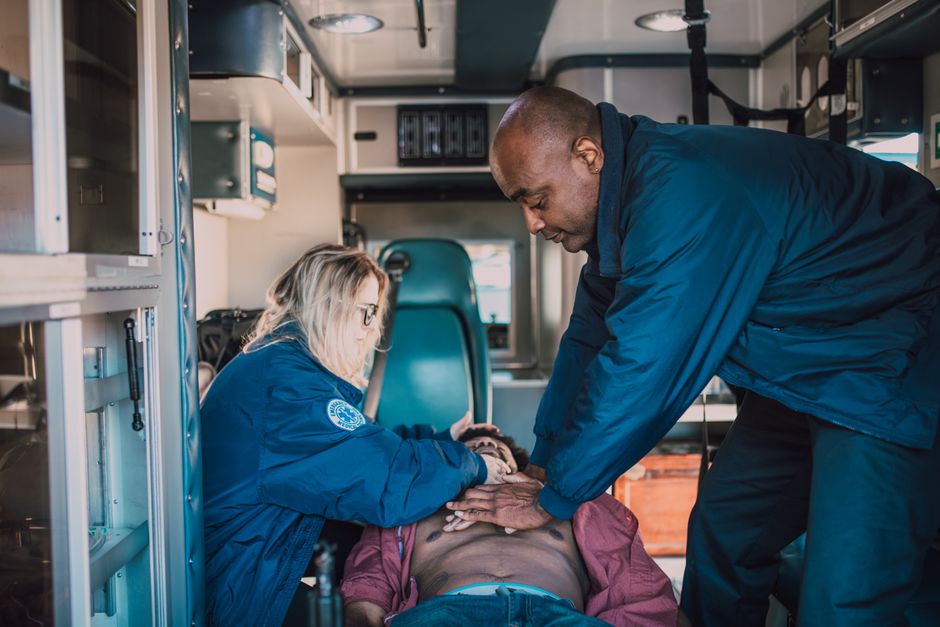
Act immediately. Call 911, or have someone else call while you start CPR. Do not wait to check for a pulse if you are unsure. Gasping is not normal breathing and should be treated as cardiac arrest.
Push hard and fast in the center of the chest. Bystander CPR, even imperfect CPR, keeps some blood flowing to the brain and buys time until help arrives. If an automated external defibrillator, or AED, is nearby, use it. The device gives voice instructions and only shocks a rhythm that can be corrected.
Defibrillation is the definitive treatment for ventricular fibrillation. The sooner it is applied, the better the outcome. For every minute that passes without CPR and defibrillation, survival drops. That is why public access to AEDs in airports, gyms, and schools matters.
If you are asking whether you can prevent cardiac arrest in yourself, the honest answer is partly. Managing blood pressure, cholesterol, diabetes, and smoking lowers the risk of the heart disease that underlies most cases. Those steps are well supported. But they do not remove all risk, because some causes are electrical and inherited. No strategy eliminates the possibility entirely.
When Should You See a Doctor?
See a doctor if you have fainting, especially during exercise or emotional stress. See one if you have a family history of sudden cardiac death before age 50, unexplained fainting, or a known inherited heart condition. These are not reasons to panic, but they are reasons to get evaluated.
Testing may include an electrocardiogram, a heart ultrasound, or a monitor worn over time. Which tests are needed depends on the person. There is no single screening test that catches every risk, and routine screening of all young athletes remains debated among clinicians.
What is not debated is the value of recognizing cardiac arrest fast and responding. The cause is often hidden until it happens. The response is something almost anyone can learn.
Frequently Asked Questions
What is the most common cause of cardiac arrest?
Coronary artery disease, often after a prior heart attack, is the most common cause in adults. The damaged heart muscle can disrupt the heart’s electrical signals and trigger a fatal rhythm.
Can cardiac arrest happen without any warning signs?
Yes, many cardiac arrests occur with no prior symptoms. When warning signs do appear, they often include chest discomfort, shortness of breath, or fainting in the hour before the event.
Is cardiac arrest the same as a heart attack?
No, they are different events. A heart attack is a blood flow blockage, while cardiac arrest is an electrical failure that stops the heart from pumping.
Can a healthy young person have sudden cardiac arrest?
It is uncommon but possible. Inherited rhythm disorders, structural heart problems, and a blow to the chest at a precise moment in the heartbeat are among the causes in younger people.
