
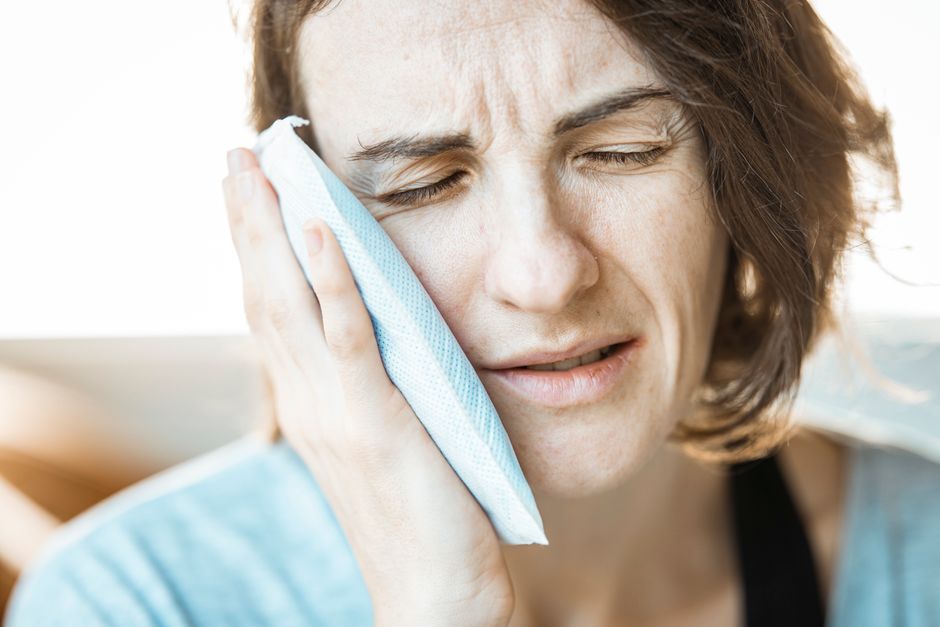
Canker sores are small, shallow, painful ulcers that form inside the lips, on the inside of the cheeks, or under the tongue. Unlike cold sores, they are not contagious and are not caused by the herpes virus. The most common triggers are minor mouth injuries, certain foods, stress, and hormonal shifts, though the exact reason some people get them repeatedly is not fully understood.
What Actually Causes Canker Sores?
The precise cause of canker sores, which doctors call aphthous ulcers, is not known. What is known is that they represent a localized inflammatory response in the delicate lining of the mouth. The immune system appears to react to something in the tissue, leading to the breakdown of the surface layer and the formation of the ulcer.
Most people develop them for a mix of reasons rather than one single cause. Genetics play a role. If your parents had frequent canker sores, you are more likely to have them too. Some research suggests a family history is present in about a third of people who get recurrent sores.
There is also a connection to the immune system. Some studies indicate that the body’s immune response may mistakenly attack the cells lining the mouth. This is not an allergy in the classic sense, but it is an overreaction of local immune defenses.
What Are the Most Common Triggers?
Triggers vary from person to person. What causes a sore in one person may have no effect on another. However, several triggers are consistently reported across clinical practice and studies.
- Minor trauma: Accidentally biting the inside of your cheek, brushing too aggressively, or eating sharp foods like potato chips can start a sore.
- Stress: Emotional stress and anxiety are strongly linked to outbreaks. Physical stress, such as lack of sleep, also appears to matter.
- Hormonal changes: Some women report more sores during certain phases of their menstrual cycle, though this link is not as strong as the stress link.
- Food sensitivities: Acidic foods, spicy foods, and chocolate are common culprits.
- Nutritional deficiencies: Low levels of vitamin B12, folate, iron, or zinc have been associated with recurrent sores.
- Certain toothpastes: Sodium lauryl sulfate, a foaming agent in many toothpastes, may trigger sores in some people.
If you have frequent outbreaks, one of these triggers is often the starting point. Keeping a diary of your outbreaks can help you identify your personal pattern.
How Does Diet Influence Canker Sores?
Diet affects canker sores in two distinct ways. The first is direct irritation. Foods that are highly acidic, such as citrus fruits, tomatoes, and vinegar-based dressings, can irritate the mouth lining and trigger a sore in someone who is prone to them. Spicy foods can do the same.
The second way diet matters is through nutrition. A body that lacks certain nutrients is more vulnerable to tissue breakdown and slower to heal. Studies have found that people with recurrent canker sores are more likely to have low levels of vitamin B12, folate, iron, or zinc.
This does not mean that taking high doses of these vitamins will cure your canker sores. It means that if you have a true deficiency, correcting it may reduce how often you get them. A blood test is the only reliable way to know if you are deficient. Taking supplements without knowing your levels is unlikely to help and can be wasteful.
Some research also suggests a link between canker sores and food allergies or sensitivities. Wheat, cow’s milk, eggs, and nuts have been reported as triggers in some people. However, the evidence for this is not strong enough to recommend a restrictive elimination diet for everyone. If you suspect a specific food is a trigger, try removing it for a few weeks and see if your outbreaks decrease.





Is Stress Really a Trigger?
Yes. The link between stress and canker sores is one of the most consistently reported findings in clinical research. Stress does not cause the sore directly, but it appears to lower the threshold for an outbreak.
When you are under stress, your body releases cortisol and other stress hormones. These hormones influence the immune system and increase inflammation throughout the body. In the mouth, this can make the tissue more reactive to minor irritations that would normally heal without issue.
This is not just in your head. Studies have shown higher rates of canker sores in students during exam periods and in people going through major life changes. The effect is real and measurable.
Managing stress will not guarantee you never get a canker sore again. But if stress is one of your triggers, reducing it may reduce the frequency of your outbreaks. Regular exercise, adequate sleep, and basic stress-reduction techniques are reasonable places to start.
Are Canker Sores the Same as Cold Sores?
No. This is one of the most common points of confusion. Canker sores and cold sores are completely different conditions with different causes and treatments.
Canker sores appear inside the mouth. They are shallow, round or oval, and have a white or yellow center with a red border. They are not contagious.
Cold sores, also called fever blisters, appear on the outside of the mouth, usually on the lips. They are caused by the herpes simplex virus and are highly contagious. They often start with a tingling or burning sensation before blisters form.
Treatments are different too. Antiviral creams can help cold sores but do nothing for canker sores. Canker sores respond to protective pastes and anti-inflammatory rinses, which have no effect on a viral infection.
How Long Do Canker Sores Last and When Should You See a Doctor?
Most canker sores heal on their own within 7 to 14 days. The pain is usually worst in the first 3 to 4 days, then gradually improves. Minor sores, which are the most common type, heal without scarring.
You should see a doctor or dentist if a sore lasts longer than two weeks, if you get sores very frequently, or if the pain is severe enough to interfere with eating or drinking. Also seek medical advice if you develop sores along with fever, or if the sores spread to other parts of your mouth rapidly.
In rare cases, a sore that does not heal can be a sign of a more serious condition, including oral cancer. This is uncommon, but it is exactly why persistent sores deserve professional attention. A healthcare provider can examine the area and, if needed, take a biopsy to rule out anything concerning.
What Treatments Actually Work?
Treatment depends on how bad the sore is and how often you get them. For occasional minor sores, over-the-counter products are usually enough.
- Protective pastes: Products containing ingredients that form a barrier over the sore can reduce pain and speed healing.
- Benzocaine gels: These numb the area and provide temporary pain relief.
- Saltwater rinses: A warm saltwater rinse can help keep the area clean. Mix about half a teaspoon of salt in a glass of warm water and swish gently.
- Avoid irritants: Skip acidic, spicy, or rough foods until the sore heals.
For severe or frequent sores, a doctor may prescribe a stronger treatment. Options include prescription mouth rinses containing a steroid, or topical pastes with stronger anti-inflammatory ingredients. In stubborn cases, oral medications may be used, but these are reserved for people with frequent, painful outbreaks that do not respond to other treatments.
There is no cure for canker sores. Treatment is about managing pain, reducing inflammation, and preventing complications while the sore heals on its own.
Can You Prevent Canker Sores?
You cannot completely prevent canker sores, but you can reduce how often you get them. The most effective strategy is identifying and avoiding your personal triggers.
If you know acidic foods bother you, limit them. If stress is your trigger, focus on sleep and stress management. If you use toothpaste with sodium lauryl sulfate and get frequent sores, switching to a brand without it is a low-cost experiment worth trying.
Good oral hygiene matters, but be gentle. Aggressive brushing can cause the minor trauma that starts a sore. Use a soft toothbrush and be careful not to bite the inside of your cheeks while chewing.
If you get sores several times a year, talk to your doctor about checking your vitamin B12, folate, iron, and zinc levels. Correcting a genuine deficiency is one of the few proven ways to reduce outbreak frequency.
Frequently Asked Questions
Can certain foods cause canker sores?
Yes, acidic foods like citrus and tomatoes, spicy foods, and chocolate are common triggers for people prone to canker sores. Avoiding these foods may reduce outbreaks if they are a trigger for you.
Can stress alone cause a canker sore?
Stress does not directly cause a canker sore, but it can lower your body’s resistance and make an outbreak more likely. Studies have shown higher outbreak rates during stressful periods like exams.
Are canker sores contagious?
No, canker sores are not contagious and cannot be passed to another person. Cold sores, which appear on the lips, are contagious and caused by a different virus.
How can I get rid of a canker sore fast?
Over-the-counter protective pastes and numbing gels can reduce pain, but no treatment makes a canker sore disappear instantly. Most sores heal on their own within 7 to 14 days.
