
Calluses form because your skin is doing its job. When an area of skin gets repeated friction or pressure, the outer layer thickens to protect the tissue underneath. On your feet, that thickening shows up as a callus — a patch of tough, hardened skin that builds up slowly over weeks or months. The most common triggers are ill-fitting shoes, walking barefoot on hard surfaces, and the way your foot distributes weight when you stand and move.
That is the short answer. The longer answer involves understanding what skin does under load, which parts of your feet are most vulnerable, and when a callus is just a nuisance versus a sign of something that needs medical attention.
What Causes Callus Build Up On Feet?
The direct cause is mechanical stress. Friction, pressure, or shear force applied to the same spot on your skin, repeatedly, triggers a process called hyperkeratosis — the outer layer of skin (the stratum corneum) produces more keratin and becomes thicker and denser.
Keratin is a tough structural protein. It is the same material that makes up hair and nails. When skin cells in the outer layer sense sustained mechanical load, they respond by building more of it. This is a protective adaptation, not a malfunction. The problem is that the adaptation can become uncomfortable or create secondary issues.
Several factors determine where and how much callus forms:
- Footwear. Shoes that are too tight, too loose, or shaped differently from your foot create pressure points. High heels shift weight onto the ball of the foot and toes.
- Walking surface and barefoot walking. Hard floors and rough ground increase friction and pressure on the soles.
- Foot structure. High arches, flat feet, bunions, and hammertoes change how weight is distributed across the foot. Areas that bear more load develop more callus.
- Gait patterns. How you walk — your stride, the angle your foot strikes the ground, whether you favor one side — affects where pressure concentrates.
- Occupation and activity. Jobs that involve standing or walking on hard surfaces for long periods, or sports with repetitive foot loading, increase risk.
- Age. Skin loses some elasticity and fat padding under the foot over time, which can increase pressure on bony areas.
One point that often gets missed: calluses are not caused by “dead skin buildup” in the way dry skin flakes are. They are living tissue that has structurally changed in response to load. This matters because it explains why moisturizing alone rarely resolves a callus — you have to address the pressure or friction driving it.
Why Do Calluses Form on the Ball of the Foot and Heel?
These are the two highest-pressure zones on the sole during walking. The heel absorbs the initial impact of each step. The ball of the foot (the metatarsal heads) takes load as you push off. Both areas bear forces that can exceed body weight during normal gait.
The heel and ball of the foot are also where the skin is naturally thickest. That thickness is normal and protective. Callus becomes noticeable when the skin in these areas becomes visibly hardened, yellowed, or rough, or when it starts to feel uncomfortable.
The ball of the foot is particularly prone to callus in people who wear high heels, have a prominent metatarsal arch, or have toes that don’t extend fully when walking. The heel is more associated with barefoot walking, hard-soled shoes, and standing for long periods.
What About Calluses on the Toes and Sides of the Feet?
Calluses on the toes usually come from shoes pressing against the skin. A narrow toe box, a seam inside the shoe, or a toe that rubs against its neighbor all create the kind of repeated friction that thickens skin. The tops of the toes and the sides of the big toe are common spots.
Calluses along the sides of the foot or between toes often relate to foot shape and how shoes fit around the widest part of the foot. Bunions (hallux valgus) are a frequent contributor — the bony prominence at the base of the big toe rubs against shoe material, and the skin over it thickens.
On the outer edge of the foot, callus often reflects weight shifting to that side due to gait changes or foot structure. On the inner edge, it can relate to flat feet or overpronation.
How Is a Callus Different From a Corn?
Both are forms of hyperkeratosis caused by pressure, but they differ in shape and location. A callus is broad and flat, with a diffuse area of thickened skin. A corn is smaller, more circular, and has a hard center that presses into the skin.
There are two main types of corn:
- Hard corns form on the tops and tips of toes or on the sole, usually over a bony area. They have a dense, hard core.
- Soft corns form between toes, where moisture keeps the skin soft. They appear white and rubbery.
Corns can be painful in a way that calluses often are not. The hard core presses into deeper tissue, and that pressure can cause sharp pain with each step. This is a meaningful distinction because treatment approaches differ — a corn often needs the central core addressed, not just the surrounding thickened skin.
Another distinction: a callus can sometimes be confused with a plantar wart. Warts have a different appearance under close inspection — they disrupt normal skin lines and may show tiny dark dots (clotted capillaries). A clinician can usually tell them apart on examination. This matters because wart treatments and callus treatments are not the same.
When Should You Be Concerned About a Callus?
Most calluses are harmless. They are a normal response to mechanical load. But some calluses signal underlying problems or carry risk of complications.
Seek medical evaluation if:
- The callus is painful or interferes with walking.
- You have diabetes, peripheral artery disease, or peripheral neuropathy. Reduced sensation and impaired circulation increase the risk of foot ulcers and infection. Calluses in people with diabetes require professional care — not self-treatment with sharp tools.
- You notice signs of infection: redness, warmth, swelling, pus, or increasing pain.
- The callus has changed appearance, bleeds, or does not respond to reasonable care.
- You have a corn that is painful or not improving.
For people with diabetes, foot care is not optional. The American Diabetes Association and similar organizations consistently emphasize regular foot checks and professional removal of calluses when they are present. The concern is that a callus can break down into an ulcer, particularly over pressure points. This is a well-established risk, not a theoretical one.
What Actually Helps Reduce Callus Build Up?
The most effective approach is to reduce the mechanical stress that caused the callus in the first place. That means addressing footwear, foot mechanics, or activity patterns — not just treating the surface.
General measures that are widely recommended and supported by clinical practice:
- Properly fitting shoes. Enough room in the toe box, no slipping at the heel, and no seams pressing into the skin.
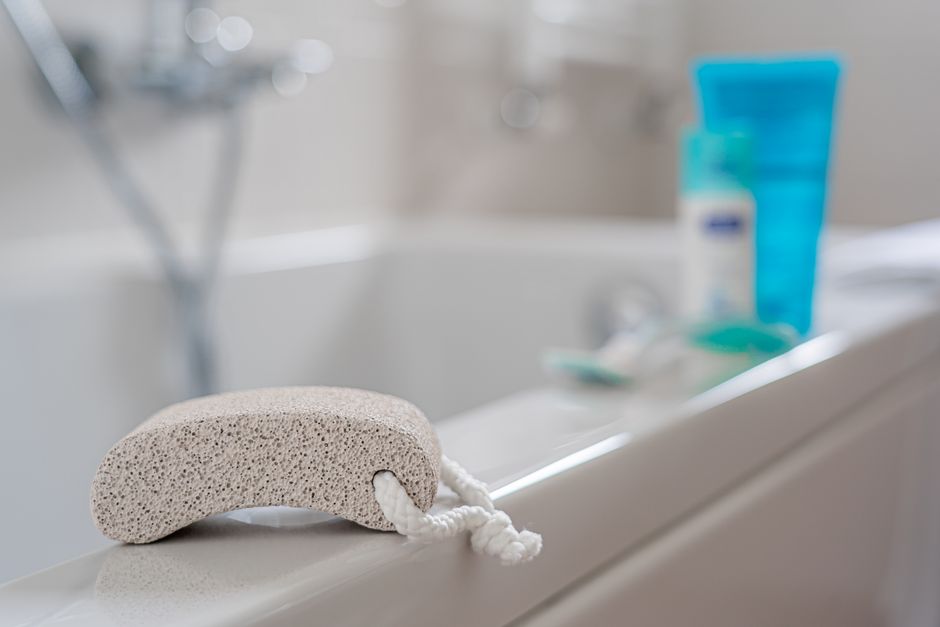
- Soaking and gentle filing. Soaking feet in warm water softens the outer layer, making it easier to gently reduce thickened skin with a pumice stone or file. This should be done cautiously — aggressive removal can cause injury. People with diabetes or circulation problems should not do this themselves.
- Moisturizing. Urea-based or salicylic acid creams are commonly used to soften callused skin. Salicylic acid is a keratolytic — it helps break down thickened keratin. These are available over the counter, but evidence for their effectiveness specifically on foot calluses is moderate, not overwhelming. They are widely used in practice.
- Padding and inserts. Cushioned insoles or pads can redistribute pressure away from callused areas. For structural issues like bunions or hammertoes, orthotic support may help.
- Avoiding barefoot walking on hard surfaces if you are prone to calluses.
What does not work well: simply moisturizing without addressing pressure. And cutting or shaving calluses at home with a blade is risky — it can lead to infection, especially in people with compromised circulation or sensation.
No over-the-counter product removes the cause of a callus. It only softens the result. If the pressure pattern doesn’t change, the callus will return.
Can Calluses Be Prevented?
Largely, yes — by managing the factors that create them. But prevention depends on understanding your specific pressure pattern.
For many people, the single most effective step is wearing shoes that fit properly and match the shape of their foot. A shoe that is too narrow, too short, or has an inflexible sole creates the conditions for callus formation. Rotating footwear and avoiding prolonged standing on hard surfaces also help.
For people with structural foot issues — high arches, flat feet, bunions, hammertoes — custom or over-the-counter orthotics can redistribute pressure. This is common clinical practice, though evidence for orthotics specifically preventing callus recurrence is limited. Some clinicians recommend them; the evidence base is not strong.
Regular foot inspection helps. Catching a callus early, before it becomes thick and painful, makes it easier to manage. This is especially important for anyone with diabetes or reduced sensation in the feet.
One point worth stating clearly: calluses are not a sign of poor hygiene. They are a mechanical response. Treating them as a hygiene problem leads to aggressive scrubbing and filing that can do more harm than good.
Frequently Asked Questions
What is the main cause of callus build up on feet?
The main cause is repeated friction or pressure on the same area of skin, usually from footwear or walking patterns. The skin thickens in response to mechanical load as a protective adaptation.
Do calluses go away on their own?
They can soften and reduce if the pressure or friction that caused them is removed, but they rarely disappear completely without some reduction of thickened skin. If the mechanical stress continues, the callus will persist or return.
Are calluses a sign of anything serious?
Most calluses are harmless and reflect normal skin adaptation to pressure. In people with diabetes, peripheral artery disease, or neuropathy, however, calluses carry a higher risk of ulceration and should be evaluated by a clinician.
Can I cut off a callus myself?
No — cutting or shaving a callus with a blade at home risks infection and injury, particularly if you have reduced sensation or circulation. Gentle filing after soaking is safer for most healthy people, and professional removal is recommended for anyone with diabetes or vascular concerns.
