
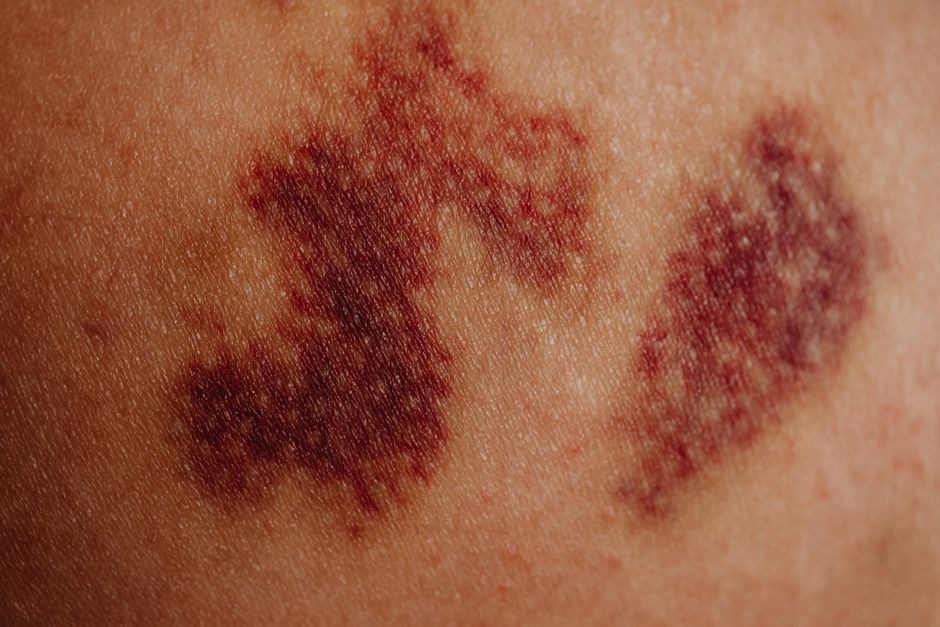
You look down and notice a dark purple or blue mark on your foot. You don’t remember stubbing your toe, dropping anything on it, or bumping into furniture. Bruising on the foot without a known injury is common, and most of the time it has a straightforward explanation. Small blood vessels under the skin can break from everyday pressure, certain medications make bruising easier, and some medical conditions affect how blood clots or how fragile capillary walls are. The color comes from blood that has leaked out of tiny vessels and is breaking down under the skin. Finding the reason matters, because harmless bruising and bruising that signals a health problem can look similar at first.
What Causes Bruising On Foot Without Injury?
Most unexplained foot bruises come from pressure or minor trauma you never noticed. Your feet carry your full body weight all day. Tight shoes, long periods of standing, and the ordinary impact of walking can rupture small capillaries in the toes, heel, and top of the foot without leaving any memory of an event.
The skin and tissue on the foot are thin compared with the thigh or back. There is less fat padding to absorb force, so a small amount of pressure does more damage. This is why a new pair of shoes or a long day on hard floors can produce a bruise that seems to appear from nowhere.
A second large category is medication. Blood thinners such as warfarin, apixaban, and rivaroxaban, daily aspirin, and some anti-inflammatory drugs reduce the blood’s ability to clot or irritate the stomach and vessel walls. People on these drugs bruise more easily and sometimes more dramatically. This is a known effect, not a sign that something is wrong with the drug itself, but new or spreading bruises on these medications should be reported to a doctor.
Beyond pressure and medication, unexplained bruising can reflect problems with platelets (the cell fragments that help blood clot), clotting proteins, or the strength of capillary walls. These causes are less common, but they are the ones worth ruling out when bruises keep appearing.
Why Do Bruises Sometimes Appear With No Memory of Bumping Anything?
Memory is unreliable for small impacts. A knock against a table leg, a door frame, or the edge of a bed often produces a brief sensation that your brain discards within seconds. The bruise develops over the next day or two as blood spreads under the skin, so the mark shows up long after the moment has passed.
Timing also plays a role. A bruise can take a day or more to become visible because the blood has to seep into surrounding tissue and change color as it breaks down. By the time you notice it, you have no reason to connect it to anything you did.
Feet are especially prone to this because they sit below the level of the heart. Gravity and the pressure of standing push fluid and blood toward the lowest point of the body. Blood that leaks from a small vessel in the foot can pool and spread more than it would in an arm or shoulder, making a minor leak look larger than it is.
One point that often surprises people: the color of a bruise does not reliably tell you its age. The familiar sequence from red to blue to green to yellow is a general pattern, not a clock. Bruise color varies with depth, skin tone, and how much blood leaked, so you cannot date a bruise precisely by looking at it.
Which Medications and Supplements Make Foot Bruising More Likely?
Several common drugs affect clotting or vessel strength, and each works in a different way. Knowing which category you are in helps you understand what a bruise means.
- Anticoagulants such as warfarin, apixaban, rivaroxaban, and dabigatran slow clot formation and are a well-documented cause of easy bruising.
- Antiplatelet drugs including aspirin and clopidogrel reduce platelet clumping, which makes small vessel leaks more likely to show.
- NSAIDs like ibuprofen and naproxen can affect platelet function and irritate the stomach lining.
- Corticosteroids taken long term can thin the skin and weaken small blood vessels.
- Some antidepressants, particularly SSRIs, have been linked in research to a modest increase in bleeding risk, though the effect for most people is small.
Supplements are a murkier area. Fish oil, high-dose vitamin E, ginkgo, and garlic are often described as blood thinners, but the evidence for meaningful bleeding risk at typical doses is limited and mixed. Some studies suggest a mild effect on platelet function. No large trials confirm that these supplements cause bruising on their own in healthy people. If you bruise more after starting a supplement, that is worth mentioning to your doctor, but the connection is not proven.
When Does Unexplained Bruising Point to a Medical Condition?
Occasional small bruises on the feet are usually harmless. A pattern of frequent, large, or unexplained bruises — especially with other symptoms — deserves a medical evaluation. The conditions below are the main ones clinicians consider.
Low platelet count (thrombocytopenia) is one of the most common medical causes of easy bruising. Platelets are needed to plug small vessel leaks. When they are low, bruises appear more easily and may be accompanied by tiny red or purple dots on the skin called petechiae, or by bleeding gums and nosebleeds.
Clotting factor problems such as von Willebrand disease are inherited conditions that affect how well blood clots. They are more common than many people realize and often cause easy bruising and prolonged bleeding from small cuts.
Liver disease can reduce the production of clotting proteins, which increases bruising. Kidney disease and some thyroid disorders can also affect clotting or vessel health.
Vitamin deficiencies matter for vessel and clotting function. Vitamin C is needed to build strong collagen in blood vessel walls, and severe deficiency (scurvy) causes bruising and bleeding gums. Vitamin K is required for several clotting factors. These deficiencies are uncommon in people eating a varied diet, but they occur in certain groups, including people with poor nutrition or absorption problems.
Blood cancers such as leukemia can lower platelet counts and cause bruising, but this is rare compared with the other causes. It is one reason persistent unexplained bruising should not be ignored.
What Symptoms Mean You Should See a Doctor?
Most foot bruises are not a reason to worry. Certain signs, though, suggest the bruising is part of something larger and should be checked promptly.
- Bruises that appear without any explanation and keep appearing over weeks
- Bruises that are unusually large or spread well beyond the foot
- Bruising along with tiny red or purple dots on the skin
- Bleeding gums, frequent nosebleeds, or blood in the urine or stool
- Bruising accompanied by fever, fatigue, or unexplained weight loss
- Bruising after starting a new medication, especially a blood thinner
The presence of any of these does not mean you have a serious disease. It means the bruising needs a proper look, usually starting with a blood count and a conversation about your medications. A doctor can order simple blood tests that check platelet count and clotting function.
Do not stop a prescribed blood thinner on your own because of bruising. That decision belongs with the prescriber, because stopping carries its own serious risks.
What Can You Do About Foot Bruising?
For a simple, isolated bruise, the standard approach is rest, elevation, and time. Elevating the foot above heart level when possible can reduce blood pooling. A cold pack wrapped in a cloth, applied for short periods in the first day or two, may limit swelling. Bruises generally fade over one to two weeks as the body reabsorbs the leaked blood.
Check your footwear. Shoes that press on the toes, heel, or top of the foot are a common and fixable cause. If a particular pair consistently leaves marks, that is your answer more often than any medical condition.
Do not use heat on a fresh bruise, and avoid massaging it hard. Neither helps and both can increase bleeding under the skin. If you take a blood thinner or have a known bleeding disorder, be more cautious and check with your clinician about any new or changing bruise.
If bruising continues without explanation, keep a simple record. Note when bruises appear, what you were doing, and any medications or supplements you take. That record is genuinely useful when you see a doctor, because it turns a vague complaint into a pattern that can be evaluated.
Frequently Asked Questions
Can you get a bruise on your foot without hitting it?
Yes. Everyday pressure from tight shoes, long periods of standing, and the ordinary impact of walking can break small vessels in the foot without any remembered injury. Medications that affect clotting make this more likely.
What does a bruise on the foot with no injury mean?
Most often it means minor unnoticed pressure or a medication effect. If bruises keep appearing, are large, or come with bleeding gums, nosebleeds, or tiny red dots on the skin, it should be checked by a doctor.
Can low platelets cause bruising on the feet?
Yes. A low platelet count is one of the more common medical causes of easy bruising, and it can affect the feet and ankles. A simple blood test can measure platelet levels.
Should I worry about a bruise on my foot that will not go away?
A bruise that lasts longer than a couple of weeks, grows, or keeps returning in the same spot deserves a medical look. Most bruises fade within one to two weeks, so a persistent mark is worth evaluating.
