
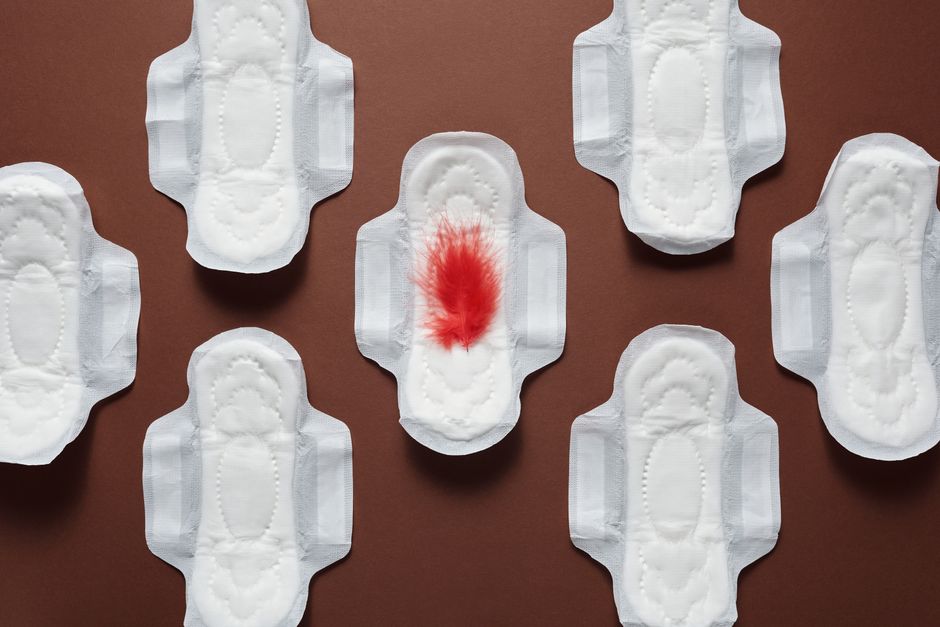
Brown discharge is vaginal fluid that contains older blood. The blood has spent enough time in the vagina to oxidize, turning from red to brown. It can show up at the very start or end of a period, between periods, after sex, or during pregnancy. Most of the time it is a normal part of the menstrual cycle. Sometimes it points to something that needs a doctor’s attention.
What separates the two is timing, amount, and any other symptoms. A small amount of brown discharge for a day or two at the edges of your period is expected. Brown discharge that keeps coming back, comes with pain, or appears after menopause is a different story.
What Causes Brown Discharge?
The most common cause is slow-flowing blood at the beginning or end of a period. When blood moves out of the uterus slowly, it has more time to be exposed to oxygen. That chemical change is what darkens the color. It is the same reason a small cut stops looking bright red after a few hours.
Several other normal events produce the same result:
- Ovulation. Some women notice a small amount of brown or pink discharge mid-cycle, around the time an egg is released. Mild cramping on one side can come with it.
- Hormonal birth control. Spotting is a common side effect, especially in the first few months of a new pill, patch, ring, or hormonal IUD. Taking the pill at different times each day can also trigger it.
- Implantation. When a fertilized egg attaches to the uterine lining, some women have light brown or pink spotting. This is not reliable as a sign of pregnancy, because many pregnant women never notice it and many women who are not pregnant have spotting at the same point in their cycle.
- After childbirth or miscarriage. Bleeding tapers off over weeks, and the tail end is often brown.
- Perimenopause. Cycles become irregular, and the flow pattern changes with them. Brown spotting between periods becomes more common as hormone levels shift.
When Is Brown Discharge a Sign of a Problem?
Brown discharge that comes with other symptoms deserves a medical visit. The color alone tells you very little. What matters is what else is happening.
See a clinician if brown discharge appears alongside any of these:
- Pelvic pain or pain during sex
- A foul or unusual odor
- Fever
- Itching, burning, or irritation
- Heavy bleeding that soaks through a pad or tampon within an hour
- Dizziness or fainting
- Discharge that continues for weeks without a clear cause
One point worth clarifying: brown discharge is not automatically a sign of infection, and it is not automatically a sign that something is wrong. Many infections cause discharge that is yellow, green, gray, or white with a strong odor, not brown. Color is a weak clue on its own. Odor, pain, and fever are stronger ones.
Can Infections Cause Brown Discharge?
Some infections can lead to brown discharge, usually because they cause light bleeding or inflammation. Bacterial vaginosis, chlamydia, gonorrhea, and trichomoniasis are the ones most often discussed. Pelvic inflammatory disease, an infection of the reproductive organs, can also cause irregular bleeding.
What these infections more typically produce is discharge that is yellow, green, or gray, often with a noticeable odor. Brown discharge can happen, but it is not the hallmark sign. If you have new discharge with an odor, pelvic pain, pain during sex, or bleeding between periods, testing is the only way to know. You cannot diagnose an infection by looking at the color.
Sexually transmitted infections often cause no symptoms at all, especially in women. That is why regular screening matters if you are sexually active and not in a mutually monogamous relationship. A clinician can test for the common ones with a swab or urine sample.
What Does Brown Discharge Mean During Pregnancy?
Light brown spotting in early pregnancy is common and often harmless. Many women have some spotting in the first trimester, and it frequently resolves on its own.
It is not something to ignore, though. Contact your clinician if you have any bleeding during pregnancy, including brown spotting, especially if it comes with cramping, abdominal pain, or tissue passing from the vagina. Heavy bleeding or severe pain is a reason to seek care right away.
Later in pregnancy, any bleeding should be reported promptly. The cause cannot be determined from the color or amount alone. An exam or ultrasound is what sorts out what is happening.
Why Does Brown Discharge Happen After Sex?
Spotting after sex can come from a few different sources. The cervix can be sensitive and bleed lightly if it is inflamed or irritated. Small tears in the vaginal lining can also cause a little bleeding, particularly if there is dryness or irritation.
Certain cervical changes can bleed on contact, including cervical ectropion, which is a normal variation where glandular cells sit on the outer surface of the cervix. It is more common in younger women and during pregnancy, and it is not a disease. Other cervical conditions can also cause post-sex bleeding, which is why bleeding after sex that happens more than once should be checked by a clinician.
Vaginal dryness is a common and treatable cause, especially around perimenopause and after menopause. Lubricants and, in some cases, local estrogen therapy can help. That is a conversation to have with a clinician rather than something to sort out on your own.
What Does Brown Discharge After Menopause Mean?
Any vaginal bleeding after menopause needs evaluation. This is one of the few firm rules in this area. Once a woman has gone 12 months without a period, bleeding of any color is not expected, and it should be checked.
There are benign explanations, including vaginal dryness and thinning of the vaginal lining that happens when estrogen levels fall. But bleeding after menopause can also be an early sign of conditions that need treatment, including endometrial changes. The only way to know which situation you are in is to be examined.
This is not a reason to panic. It is a reason to call your clinician and get it looked at. Most causes turn out to be manageable.
When Should You See a Doctor for Brown Discharge?
Call your clinician if brown discharge lasts more than a few days, keeps coming back between periods, or comes with pain, odor, fever, or bleeding after sex. Also call if you are pregnant and have any bleeding, or if you have any bleeding after menopause.
If you are not sure whether your discharge is worth a visit, it usually is. A short exam and a conversation about your cycle can rule out most concerns quickly. There is no downside to asking.
Tracking your cycle and noting when discharge appears can help your clinician figure out the cause. A simple log of dates, color, and any other symptoms is often more useful than trying to remember details weeks later.
Frequently Asked Questions
Is brown discharge normal?
Brown discharge is normal at the start or end of a period and can also happen with ovulation, hormonal birth control, or early pregnancy. It is not normal after menopause and should be checked in that case.
Can brown discharge mean I am pregnant?
Light brown spotting can happen in early pregnancy, but it is not a reliable sign. Many pregnant women never have it, and many women who are not pregnant have spotting at the same point in their cycle.
Does brown discharge mean an infection?
Not usually, and color alone cannot tell you. Infections more often cause discharge that is yellow, green, or gray with an odor, along with pain or irritation.
When should I worry about brown discharge?
Worry is the wrong frame, but you should get checked if it comes with pain, odor, fever, heavy bleeding, follows sex, lasts more than a few days, or appears after menopause.
