
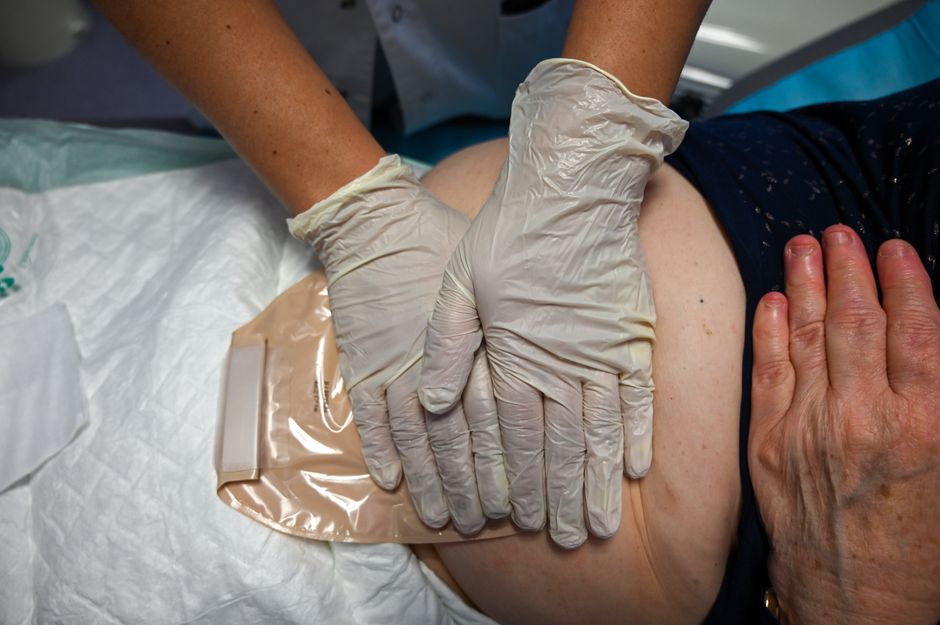
Bowel leakage happens when the muscles and nerves that control the rectum and anus no longer hold stool in reliably. The most common causes are damage to the anal sphincter muscles, nerve injury from childbirth or surgery, chronic diarrhea or constipation, and pelvic floor problems. It is a medical condition, not a personal failing, and it is far more common than most people realize.
Doctors call it fecal incontinence. Many people live with it for years without telling anyone, which is unfortunate because a good number of causes can be treated or improved. Understanding what is actually going wrong is the first step toward getting help.
What Causes Bowel Leakage?
Bowel leakage almost always comes down to a problem with one of three things: the sphincter muscles that seal the anus, the nerves that tell those muscles what to do, or the consistency and volume of the stool itself. Often more than one is involved at the same time.
The anal sphincter is a ring of muscle with two layers. The inner layer (internal sphincter) stays closed without you thinking about it. The outer layer (external sphincter) is under voluntary control and gives you the extra squeeze when you feel urgency. If either layer is weakened or injured, leakage becomes possible.
Nerves matter just as much. The pudendal nerve carries signals between the brain, spinal cord, and sphincter muscles. When that pathway is damaged, the muscles may not receive the signal to contract, or you may not feel the warning that stool is present in the rectum. This is called reduced rectal sensation, and it is a common reason people leak without realizing it is about to happen.
Stool consistency is the third piece. Loose or watery stool is much harder to hold than formed stool. Chronic diarrhea can overwhelm even a healthy sphincter. Large, hard stool from chronic constipation can stretch and weaken the muscles over time and cause a different kind of leakage where soft stool seeps around a blockage.
Who Is Most Likely to Experience It?
Bowel leakage becomes more common with age, but it is not a normal part of getting older. Certain groups are at clearly higher risk.
Women who have given birth vaginally are among the most affected. Childbirth can stretch or tear the sphincter muscles and can injure the pudendal nerve. Tears during delivery are common, and even when repaired, some women notice symptoms years later. This is one of the best-documented causes in the medical literature.
Older adults are more likely to have weakened muscles, reduced nerve function, and other conditions that add up. Rates rise noticeably after age 65, though the condition occurs at every adult age.
Other groups at higher risk include:
- People with chronic constipation or long-standing diarrhea
- People who have had anal or rectal surgery, including hemorrhoid surgery
- People with diabetes, which can damage nerves over time
- People with inflammatory bowel disease such as Crohn’s disease or ulcerative colitis
- People with limited mobility or dementia, who may struggle to reach a toilet in time
- People taking certain medications, including some laxatives and antibiotics
One clarification worth making: bowel leakage is not the same as incontinence of gas alone. Passing gas without control is common and usually harmless. Leakage of liquid or solid stool is a different matter and worth discussing with a doctor.
How Do Muscle and Nerve Damage Lead to Leakage?
The rectum stores stool until it is convenient to release it. When stool enters the rectum, the walls stretch, and nerves signal the brain that a bowel movement is coming. If the timing is wrong, the external sphincter contracts to hold things in while the rectum relaxes to make room. This is called the rectoanal inhibitory reflex, and it happens automatically.
Damage anywhere in that loop can cause leakage. If the sphincter is weak, it cannot hold against pressure. If the nerves are damaged, you may not feel the stool arriving, so the external sphincter never gets the signal to squeeze. If the rectum has lost its stretchiness (reduced compliance), it cannot store stool comfortably, and small amounts escape.
Pelvic floor muscles support all of this. When the pelvic floor is weak, the whole system works less effectively. Pelvic floor weakness can follow childbirth, surgery, or simply age-related changes.
What Role Do Diarrhea and Constipation Play?
Stool consistency is often the difference between a manageable situation and a daily problem. Even a mildly weakened sphincter can usually hold formed stool. Loose stool is a different challenge.
Chronic diarrhea from any cause, including infections, food intolerances, medications, or irritable bowel syndrome, raises the risk of leakage because liquid stool moves quickly and is harder to control. Some people with diarrhea-predominant irritable bowel syndrome report urgency and leakage as their most disruptive symptom.
Chronic constipation causes a different pattern. Hard stool can build up and block the rectum. Softer stool from higher up then seeps around the blockage, which people sometimes mistake for diarrhea. This is called overflow incontinence, and it can be corrected by treating the constipation itself.
This is one reason a doctor will ask about bowel habits in detail. The treatment for leakage caused by constipation is very different from the treatment for leakage caused by diarrhea.
Can Medications and Medical Conditions Cause It?
Yes. Several medications and medical conditions can contribute to bowel leakage, sometimes in ways that are not obvious.
Laxatives, including some prescribed for constipation, can cause urgency and leakage if the dose is too high. Antibiotics can disrupt gut bacteria and cause loose stool. Some diabetes medications, particularly those that work by drawing water into the bowel, can cause diarrhea. Certain antidepressants and drugs for overactive bladder can affect gut motility.
Medical conditions that raise risk include diabetes (through nerve damage), inflammatory bowel disease, irritable bowel syndrome, and conditions affecting the spinal cord or pelvic nerves. Rectal prolapse, where the rectum drops down through the anus, can also cause leakage and usually requires surgical evaluation.
If leakage started or worsened after a new medication, that is worth mentioning to the prescribing doctor. Do not stop a medication on your own without discussing it first.
When Should You See a Doctor?
See a doctor if bowel leakage is new, is getting worse, or is affecting your daily life. Also seek care if it comes with rectal bleeding, unintentional weight loss, a change in bowel habits lasting more than a few weeks, or abdominal pain. These signs can point to conditions that need proper evaluation.
There is no need to feel embarrassed. Doctors who treat this regularly understand how common it is. A primary care doctor can start the conversation, and referral to a gastroenterologist or a colorectal specialist is common when the cause is not clear.
A typical evaluation includes a physical exam, a review of medications and bowel habits, and sometimes tests such as anal manometry (which measures sphincter strength and nerve function) or imaging. Not every case needs every test. The goal is to find the specific cause so treatment can be targeted.
Treatment options vary widely depending on the cause. They can include dietary changes, pelvic floor exercises, medications to firm stool, biofeedback, and in some cases surgery. Which of these applies to you depends on what is actually driving the leakage, which is why proper evaluation matters.
Frequently Asked Questions
What is the most common cause of bowel leakage?
Anal sphincter damage, especially from childbirth or anal surgery, is the most common cause in women, while nerve damage and chronic conditions play a larger role in older adults. Many cases involve more than one factor.
Is bowel leakage a normal part of aging?
No. It becomes more common with age, but it is not an expected or unavoidable part of getting older. Most cases have an identifiable cause that can be evaluated and often improved.
Can bowel leakage be treated?
Yes, many causes can be treated with dietary changes, pelvic floor exercises, medications, or in some cases surgery. The right approach depends on the specific cause, which is why a medical evaluation matters.
Does stress cause bowel leakage?
Stress itself does not damage the sphincter, but it can worsen irritable bowel syndrome and increase urgency in people who already have a sensitive gut. If stress seems to trigger symptoms, that is worth mentioning to a doctor.
