
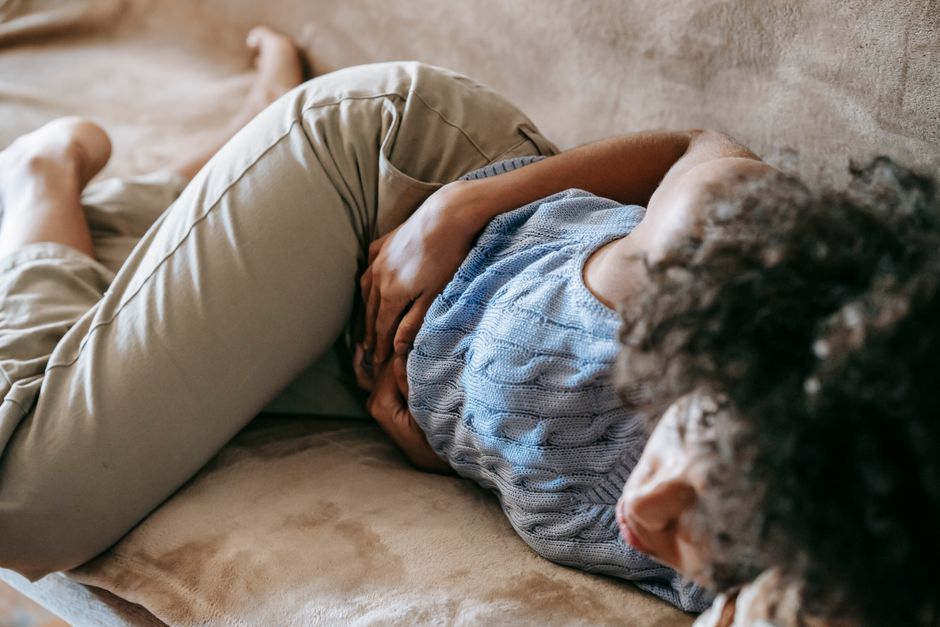
That heavy, achy feeling you get when you’re sick isn’t just in your head. When your body fights an infection, your immune system releases signaling chemicals called cytokines. These molecules help coordinate your defense, but they also trigger inflammation and sensitize pain nerves throughout your body. The result is the widespread soreness, stiffness, and tenderness that often shows up alongside fever, fatigue, and other symptoms.
What Causes Body Aches When Sick?
Body aches during illness come from your immune system’s response to infection, not from the infection itself attacking your muscles. When immune cells detect a virus or bacteria, they release proteins called cytokines — including interleukins and tumor necrosis factor. These chemicals travel through your bloodstream and tell your body to ramp up its defenses.
Cytokines do more than coordinate immune activity. They make pain receptors more sensitive, which means normal sensations can feel painful. They also cause mild inflammation in muscles and joints. This process, sometimes called sickness behavior, is your body’s way of forcing you to rest so it can focus energy on fighting the infection.
Fever often accompanies these aches. A higher body temperature speeds up certain immune processes. But the same chemical signals that raise your temperature also contribute to the soreness you feel in your back, legs, and shoulders.
Which Illnesses Commonly Cause Body Aches?
Many infections trigger muscle aches. Some are more strongly linked to this symptom than others.
- Influenza: Body aches are one of the hallmark symptoms. They often appear suddenly and can be severe.
- COVID-19: Muscle and body aches are commonly reported, especially in the early days of illness.
- Common cold: Aches are usually mild compared to flu, but they can still occur.
- Strep throat: While sore throat is the primary symptom, body aches can accompany it, particularly with fever.
- Mononucleosis: This viral infection often causes fatigue and muscle soreness that can last for weeks.
- Lyme disease: Early stages can include muscle and joint aches along with a characteristic rash.
Some bacterial infections, including certain types of pneumonia and urinary tract infections, can also cause generalized body aches. This is one reason why persistent or worsening aches should be evaluated by a healthcare provider.
Why Do Body Aches Feel Worse at Night?
Many people notice their aches intensify in the evening or when they’re trying to sleep. Several factors may explain this.
First, your body’s natural pain-relieving chemicals, including endorphins, tend to fluctuate throughout the day. Levels may be lower at night. Second, when you’re lying still, you have fewer distractions. Pain signals that seemed manageable during the day can feel more prominent when you’re not moving around or focusing on other things.
Inflammation also follows a daily rhythm. Some research suggests that certain inflammatory markers rise in the evening. This doesn’t mean the infection is getting worse — it’s part of the body’s normal immune cycle. Still, the timing can make nighttime feel more uncomfortable.
Fever patterns matter too. Many infections cause temperatures to spike in the late afternoon or evening. Since fever and aches often go together, the two can reinforce each other.




How Are Body Aches Different From Muscle Soreness After Exercise?
The soreness you feel after a hard workout comes from microscopic damage to muscle fibers. That type of soreness, called delayed onset muscle soreness, typically peaks a day or two after exercise and fades within a few days. It’s usually localized to the muscles you worked.
Body aches from illness feel different. They’re more widespread, often affecting your back, legs, arms, and even your skin. They may come with fever, chills, fatigue, or other signs of infection. The pain is driven by immune signaling rather than physical damage to muscle tissue.
If you have body aches without any other symptoms of illness and haven’t exercised, it’s worth considering other causes. Certain medications, autoimmune conditions, and even stress can produce similar feelings.
What Helps Relieve Body Aches When You’re Sick?
There’s no way to instantly stop the immune response that causes body aches. But you can manage the discomfort while your body does its job.
Over-the-counter pain relievers like acetaminophen and ibuprofen can reduce aches and fever. These medications work differently — acetaminophen primarily affects pain perception, while ibuprofen reduces inflammation. Both are generally safe when used as directed, but they carry risks with overuse or in certain health conditions. Follow the label and check with a pharmacist or doctor if you’re unsure.
Rest matters more than most people realize. Your immune system works best when you’re not pushing through physical stress. Sleep also helps regulate inflammation.
Hydration supports every part of your immune response. Fever and sweating increase fluid loss, so drinking water, broth, or electrolyte drinks can help you feel better.
Warm baths or heating pads can soothe sore muscles. Some people find cold compresses helpful for fever. There’s no strong evidence that one temperature works better than the other — it often comes down to personal comfort.
Gentle movement, like walking around your home, can keep muscles from stiffening. But if you have a fever or feel exhausted, rest is more important than activity.
When Should You Worry About Body Aches?
Most body aches from viral infections improve within a few days to a week. But some situations warrant medical attention.
Seek care if your aches are severe, keep getting worse, or last longer than a week without improvement. High fever that doesn’t respond to medication, difficulty breathing, chest pain, confusion, or a stiff neck are all reasons to get evaluated promptly.
Body aches can also be a sign of something more serious than a typical infection. Conditions like meningitis, sepsis, and certain autoimmune diseases can cause widespread pain. These are not common, but they require urgent treatment.
If you have a chronic condition that affects your immune system, or if you take medications that suppress it, even mild symptoms deserve a call to your doctor.
Does Everyone Get Body Aches When Sick?
No. Some people barely notice muscle soreness even with a significant infection, while others feel it intensely with a mild cold. Several factors influence this.
Age plays a role. Older adults may have different immune responses, which can affect how symptoms present. Prior exposure to a virus — through infection or vaccination — can also change how your body reacts. If your immune system recognizes a pathogen, it may mount a faster, more targeted response that produces fewer widespread symptoms.
Genetics likely matter too. Some people naturally produce higher or lower levels of certain cytokines. Research into individual differences in sickness behavior is ongoing, and there’s still a lot we don’t know about why some people feel every ache while others sail through the same illness.
What’s clear is that body aches are a normal part of the immune response for many people. They’re uncomfortable, but they’re not a sign that something is wrong with your muscles. They’re a sign your body is doing what it’s supposed to do.
Frequently Asked Questions
What causes body aches when sick?
Body aches during illness are caused by cytokines — immune signaling proteins that your body releases to fight infection. These chemicals sensitize pain nerves and cause mild inflammation throughout your muscles and joints.
How long do body aches from a cold or flu last?
Most body aches from viral infections improve within a few days to a week as your immune response settles. If they last longer than a week or get worse, see a healthcare provider.
Does fever always come with body aches?
No, but they often occur together because the same immune chemicals that raise your temperature also cause muscle soreness. You can have body aches without a fever, and you can have a fever without significant aches.
Can stress cause body aches like being sick?
Yes. Chronic stress can trigger inflammation and muscle tension that feel similar to illness-related aches. However, stress-related aches usually don’t come with fever, chills, or other signs of infection.
