
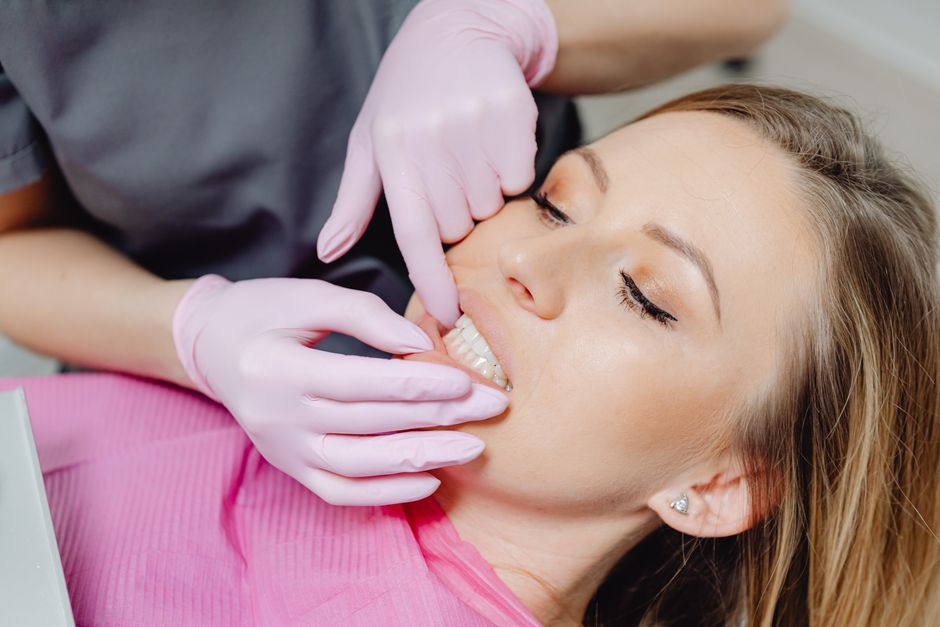
Gums turn blue when blood flow to the tissue drops or when the tissue itself changes in a way that alters its color. The most common local cause is poor circulation from gum disease, smoking, or injury. Serious systemic causes include low oxygen in the blood, certain heart and lung conditions, blood disorders, and rare genetic conditions that affect how hemoglobin works in the body.
Blue gums are not a normal finding. Healthy gums range from coral pink to brown or black depending on your natural pigmentation. A blue or bluish-purple tint is different, and it always deserves attention.
What Causes Blue Gums From Local To Serious?
Local causes are those that affect the mouth directly. Systemic causes involve the heart, lungs, blood, or oxygen delivery throughout the body. The two look different in how they develop and what accompanies them.
Local causes usually appear in a specific area of the gums. They may be linked to one tooth, one side of the mouth, or a recent injury. Systemic causes tend to affect the gums more evenly and often come with other signs like shortness of breath, fatigue, or changes in the lips and fingertips.
Here is a comparison of the main categories:
| Category | Typical Appearance | Common Associated Signs |
|---|---|---|
| Gum disease and poor local circulation | Patchy blue-purple areas near the gumline | Bleeding, swelling, receding gums |
| Smoking | Generalized blue-grey tint | Reduced gum bleeding, delayed healing |
| Low blood oxygen (hypoxemia) | Blue tint on gums, lips, fingernails | Shortness of breath, confusion, rapid heart rate |
| Blood disorders | Blue or purple gums, sometimes pale | Fatigue, bruising, abnormal blood counts |
| Methemoglobinemia | Bluish lips and gums, often from birth or drug exposure | Chocolate-brown blood, low oxygen despite normal breathing |
This table is a general guide. It cannot tell you which cause applies to you. Only a clinician can do that.
How Does Gum Disease Lead to Blue Gums?
Gum disease is the most common local cause of blue gums. When plaque builds up below the gumline, the body mounts an inflammatory response. In advanced stages, the tissue that supports the teeth breaks down, and the blood supply to the gums changes.
Healthy gums are pink because the tissue is thin and rich in small blood vessels. When chronic inflammation damages those vessels, blood flow can slow. The tissue may take on a darker, bluish-purple tone. This is especially common in areas where the gums have receded.
Periodontitis — the advanced form of gum disease — affects roughly half of adults over 30 in the United States, according to data from the Centers for Disease Control and Prevention. Many people do not know they have it. The early signs are easy to miss:
- Gums that bleed when you brush or floss
- Persistent bad breath
- Gums that feel tender or look swollen
- Teeth that look longer because gums have pulled back
- A change in how your teeth fit together when you bite
If you notice a blue tint along with any of these signs, a dental exam is the right first step. A dentist can measure gum pockets and check for infection.
Can Smoking and Other Habits Turn Gums Blue?
Smoking is a well-established cause of gum discoloration. The chemicals in tobacco reduce blood flow to the gums and can cause the tissue to take on a blue-grey appearance. Smokers also heal more slowly after dental work and are more likely to develop gum disease.
One detail many people miss: smokers often have gums that bleed less than expected, even when gum disease is present. This happens because nicotine narrows blood vessels. It can make gum disease look less severe than it is. Dentists know to look past this.
Other habits that may contribute to gum color changes include:
- Heavy alcohol use, which can dry the mouth and raise gum disease risk
- Poor oral hygiene over many years
- Untreated teeth grinding, which can injure gum tissue
- Certain medications that reduce saliva flow
These habits raise the risk of gum problems. Whether they directly cause a blue tint on their own is less certain. The evidence is strongest for smoking and for gum disease itself.
When Do Blue Gums Signal an Oxygen Problem?
Blue gums can be a sign that your blood is not carrying enough oxygen. The medical term is cyanosis. It happens when deoxygenated hemoglobin — the form of hemoglobin without oxygen attached — builds up in the blood.
Hemoglobin is the protein in red blood cells that carries oxygen. When it is fully loaded with oxygen, it looks bright red. When it is not, it looks darker and more blue. That color shows through thin tissue like the gums, lips, and nail beds.
Cyanosis is usually described as central or peripheral. Central cyanosis affects the gums, tongue, and lips. It points to a problem with the heart or lungs. Peripheral cyanosis affects the fingers and toes and often reflects poor circulation to the limbs.
Blue gums suggest central cyanosis, which is the more serious type. Causes include:
- Chronic obstructive pulmonary disease (COPD) and other lung diseases
- Pneumonia or other severe infections
- Heart failure or congenital heart defects
- Pulmonary embolism
- High altitude with low oxygen levels
Blue gums with shortness of breath, chest pain, confusion, or a rapid heart rate is a medical emergency. Call 911. Do not wait to see if it improves.
What Blood Conditions Can Make Gums Look Blue?
Some blood disorders change the color of the gums. Methemoglobinemia is one. In this condition, hemoglobin is altered so it cannot bind oxygen properly. The blood takes on a chocolate-brown color, and the skin and gums can look blue.
Methemoglobinemia can be inherited or acquired. Acquired cases have been linked to certain medications, including some anesthetics and antibiotics, and to exposure to nitrites and nitrates. It is rare but serious.
Other blood conditions that may affect gum color include:
- Polycythemia, where the body makes too many red blood cells
- Severe anemia, which more often makes gums look pale rather than blue
- Blood vessel abnormalities in the mouth
The evidence linking each of these to a blue gum appearance varies. Methemoglobinemia is the most clearly documented. For the others, the connection is less consistent.
Are There Rare or Genetic Causes of Blue Gums?
A small number of genetic conditions can cause blue gums. One example is hereditary methemoglobinemia, caused by a gene change that affects how hemoglobin works. People with this condition may have had blue-tinged lips and gums since childhood.
Another is a rare condition called blue rubber bleb nevus syndrome. It causes blue, rubbery lesions on the skin and in the gastrointestinal tract. Lesions can also appear in the mouth. This condition is very rare.
Some structural heart defects present from birth can also cause cyanosis. These are usually diagnosed in childhood, but mild cases can go unnoticed until adulthood.
These genetic causes are uncommon. They are worth knowing about, but they are not the first thing a clinician will consider when a person has blue gums. Common causes come first.
What Else Can Make Gums Look Blue?
Not every blue appearance is a medical problem. Some causes are harmless. Amalgam tattoos are one example. When tiny particles of silver filling material get embedded in the gum tissue, they can leave a blue-grey mark. These marks are flat, painless, and do not change over time.
Other harmless causes include:
- Natural pigmentation, which can look dark blue or brown in some people
- Food dyes or staining from dark-colored foods and drinks
- Ink from a recent dental procedure
Still, it is not possible to tell a harmless mark from a serious one by looking. Any new blue area on the gums should be checked by a dentist or doctor. A biopsy may be needed in some cases to rule out rare conditions.
When Should You See a Doctor or Dentist?
See a dentist if the blue color is limited to the gums and you have no other symptoms. See a doctor or go to the emergency room if the blue color also affects your lips, tongue, or fingertips, or if you have trouble breathing.
Call 911 if blue gums come with any of these signs:
- Shortness of breath or difficulty breathing
- Chest pain or pressure
- Confusion or fainting
- Rapid heart rate
- Blue lips or fingertips
For milder cases, a dentist can check for gum disease and refer you to a doctor if needed. A doctor may order blood tests, a pulse oximeter reading, or heart and lung tests. The right next step depends on what else is going on.
Frequently Asked Questions
Can blue gums be a sign of a serious illness?
Yes. Blue gums can signal low oxygen in the blood from heart or lung problems, and in rare cases blood disorders. Blue gums that come with breathing trouble or chest pain need emergency care.
What does it mean if only one part of my gums is blue?
A single blue patch is more likely to be a local cause, such as an amalgam tattoo or localized gum disease. It still needs a dental exam to rule out other causes.
Can smoking make your gums turn blue?
Smoking can give the gums a blue-grey tint by reducing blood flow to the tissue. Smokers also have a higher risk of gum disease, which can change gum color over time.
Do blue gums always mean low oxygen?
No. Gum disease, smoking, amalgam tattoos, and natural pigmentation can all cause a blue appearance. Low oxygen is one possible cause, not the only one.
