
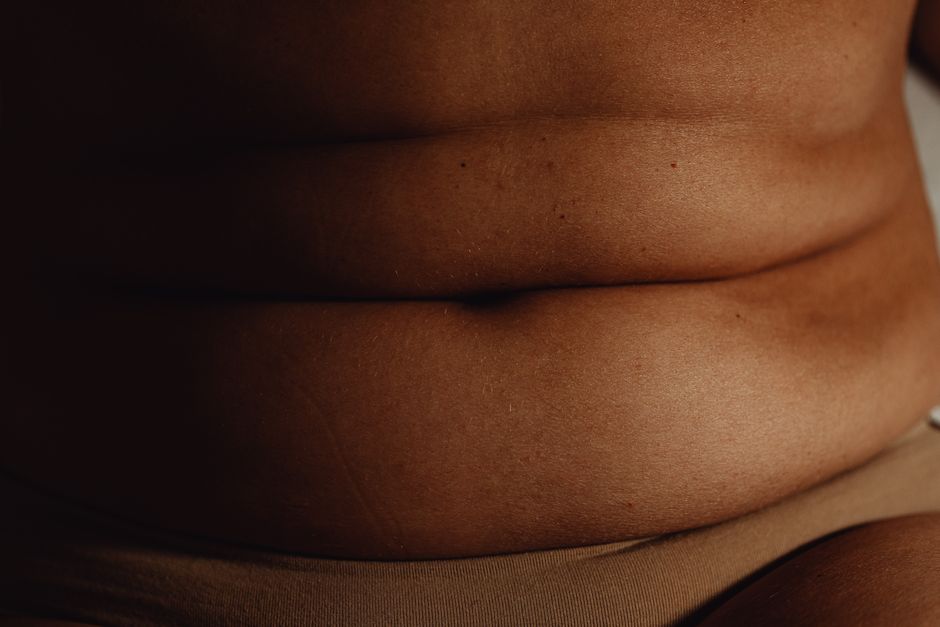
A bloated tummy is that uncomfortable feeling of tightness, pressure, or fullness in your belly — and it usually comes from gas or fluid trapped in the intestines. The most common triggers are swallowed air, the way your gut breaks down certain foods, constipation, and changes in the bacteria that live in your colon. For most people it is not a sign of serious disease, but it can be persistent, uncomfortable, and frustrating to pin down.
Bloating is one of the most common digestive complaints doctors hear. It affects people of all ages and is more common in women than men. Understanding what is actually happening inside your gut makes it easier to figure out which causes apply to you.
What Causes Bloated Tummy?
Bloating happens when gas or fluid builds up in the stomach and intestines faster than your body can move it along. The gut is a long, muscular tube. When it stretches, nerve endings register pressure and fullness. That is the sensation you feel.
There are two main sources of that gas. One is air you swallow. The other is gas produced when bacteria in your colon ferment food that was not fully digested earlier in the digestive tract.
Swallowed air is a bigger factor than most people realize. You swallow small amounts of air every time you eat, drink, chew gum, or talk. Carbonated drinks add gas directly. Eating quickly, drinking through a straw, and chewing gum all increase how much air reaches your stomach.
The second source is fermentation. Your small intestine is supposed to absorb most nutrients before food reaches the colon. When certain carbohydrates escape absorption — either because your body does not produce enough of the right enzyme or because the food moves through too fast — they arrive in the colon intact. Colonic bacteria ferment them and produce gas as a byproduct.
Some bloating comes from fluid rather than gas. This is different from gas bloating and can be a sign of a separate issue that deserves medical attention. More on that below.
Which Foods and Habits Make Bloating Worse?
Certain foods are well known to produce gas in most people. Beans, lentils, broccoli, cabbage, onions, and cauliflower contain complex carbohydrates that human digestive enzymes cannot fully break down. That is not a flaw in the food — it is normal fermentation by gut bacteria.
Some people react to specific sugars more than others. Lactose, the sugar in milk, requires the enzyme lactase to be digested. Many adults produce less lactase as they age, and undigested lactose ferments in the colon. Fructose, found in fruit and added sweeteners, and sorbitol, a sugar alcohol used in sugar-free products, can cause similar problems in some people.
Eating habits matter too. Eating very fast, drinking large amounts of liquid with meals, and chewing gum throughout the day all increase swallowed air. Carbonated beverages add gas directly to the stomach.
Constipation is one of the most overlooked causes. When stool sits in the colon longer than it should, gas builds up behind it. Relieving constipation often reduces bloating more effectively than changing your diet.
Is Bloating a Sign of a Digestive Condition?
Bloating can be a symptom of several recognized conditions. It is worth knowing which ones because the approach to each is different.
Irritable bowel syndrome (IBS) is one of the most common. Bloating is a core symptom for many people with IBS, alongside abdominal pain and changes in bowel habits. The bloating in IBS is often linked to how the gut senses and responds to normal amounts of gas — the gut is more sensitive to distension than usual.
Small intestinal bacterial overgrowth (SIBO) is a condition where bacteria that normally live in the colon move into the small intestine in larger numbers. This can cause bloating, gas, and discomfort, particularly after meals. SIBO is diagnosed with specific breath tests, and the evidence around how common it is and how best to treat it is still evolving.
Lactose intolerance and other carbohydrate malabsorption issues cause bloating specifically after eating the triggering food. The pattern is usually predictable once you identify the food.
Celiac disease can cause bloating along with other symptoms. It is an immune reaction to gluten, not simply a sensitivity. If bloating comes with diarrhea, weight loss, fatigue, or anemia, celiac testing is worth discussing with a doctor.
Less commonly, bloating can relate to problems with how the stomach empties, structural issues in the bowel, or, in women, gynecological conditions. Persistent bloating that is new and does not respond to dietary changes should be evaluated by a clinician.
When Should Bloating Worry You?
Most bloating is uncomfortable but not dangerous. Certain patterns, however, warrant a medical evaluation rather than self-management.
- Bloating that is persistent and does not come and go with meals or bowel movements
- Bloating accompanied by unintentional weight loss
- Bloating with blood in the stool or changes in stool color
- Bloating with nausea, vomiting, or the inability to pass stool or gas
- New bloating in someone over 50 who has not had it before
- Bloating with fever or severe abdominal pain
The last two on that list are urgent. The inability to pass stool or gas, especially with severe pain or vomiting, can indicate a bowel obstruction — a medical emergency that requires immediate care.
Fluid bloating — a swollen, firm abdomen that does not change with eating — can sometimes reflect fluid accumulation related to liver, heart, or kidney problems. This is different from the soft, gassy distension most people mean when they say they feel bloated. If your abdomen is persistently swollen and firm, see a doctor.
Does Gut Bacteria Play a Role in Bloating?
Yes. The trillions of bacteria in your colon are directly involved in gas production. They ferment carbohydrates that reach them undigested and release hydrogen, carbon dioxide, and in some cases methane as byproducts.
The composition of gut bacteria varies from person to person. Two people can eat the same meal and produce very different amounts of gas. Some research suggests that people with IBS tend to have different gut bacterial profiles than people without it, though whether that is a cause or a consequence of the condition is still not fully settled.
Probiotics — live bacteria taken as supplements or found in fermented foods — are widely marketed for bloating. The evidence is mixed. Some studies suggest certain probiotic strains may reduce bloating symptoms in some people with IBS. Other studies show no consistent benefit. There is no single probiotic that has been shown to reliably reduce bloating in the general population. If you want to try one, it is worth discussing with your doctor, and effects, if any, are usually not immediate.
What Actually Helps Reduce Bloating?
The most effective approach depends on the cause. For occasional bloating, a few practical changes are well supported.
Address constipation first. If you are not having regular bowel movements, that is often the root of the problem. Increasing fiber gradually, staying hydrated, and getting regular physical activity all help. Increase fiber slowly — a sudden jump can temporarily make gas worse.
Slow down at meals. Eating more slowly and avoiding drinking through straws reduces swallowed air. Chewing gum throughout the day adds air too.
Identify trigger foods. A food and symptom diary can help you spot patterns. If lactose seems to be the issue, lactose-free dairy or lactase supplements are options. If certain fermentable carbohydrates seem to trigger symptoms, a dietitian can help you trial a low-FODMAP approach. FODMAPs are fermentable carbohydrates that draw water into the gut and ferment. A low-FODMAP diet is a structured elimination and reintroduction plan — it is not meant to be followed long term without guidance.
Physical activity helps. Movement stimulates the muscles of the digestive tract and helps move gas along. A walk after a meal is a simple and evidence-supported way to reduce bloating discomfort.
Over-the-counter options. Simethicone is widely available and often used for gas, though the evidence for its effectiveness is limited. Some clinicians recommend peppermint oil capsules for IBS-related bloating; studies are mixed but some show benefit. These are not universal solutions and work differently for different people.
What does not have strong evidence behind it is the long list of “bloat-busting” teas, detox products, and supplements sold online. No clinical evidence currently confirms that these products reduce bloating through the mechanisms they claim.
Why Does Bloating Feel Worse at Certain Times?
Bloating often follows a pattern. It tends to build through the day and be worst in the evening. That is because gas and stool accumulate as the day goes on, and the gut slows down in the evening.
For many women, bloating worsens in the days before a period. Hormonal changes affect fluid balance and gut motility, which can increase the sensation of fullness. This is a normal physiological pattern, not a sign of a problem, though it can be uncomfortable.
Stress also affects the gut through the gut-brain connection. The digestive tract has its own extensive nervous system that communicates directly with the brain. Stress can change how quickly food moves through the gut and can increase sensitivity to normal amounts of gas, making bloating feel worse even when the actual gas volume has not changed.
Frequently Asked Questions
What causes a bloated tummy after eating?
Bloating after eating usually comes from gas produced as gut bacteria ferment undigested carbohydrates, or from air swallowed during the meal. Eating quickly, carbonated drinks, and large meals all increase the effect.
Is a bloated tummy a sign of something serious?
Most bloating is not serious and relates to gas, diet, or constipation. Bloating that is persistent, comes with weight loss, blood in the stool, or severe pain should be evaluated by a doctor.
How do you get rid of a bloated tummy fast?
A short walk, passing gas, or having a bowel movement often relieves bloating within an hour or so. There is no fast fix that works for everyone, and results depend on the underlying cause.
Can stress cause a bloated tummy?
Yes. Stress can slow or speed up digestion and increase how sensitive your gut is to normal gas, which can make bloating feel worse. The effect is real but usually temporary.
