
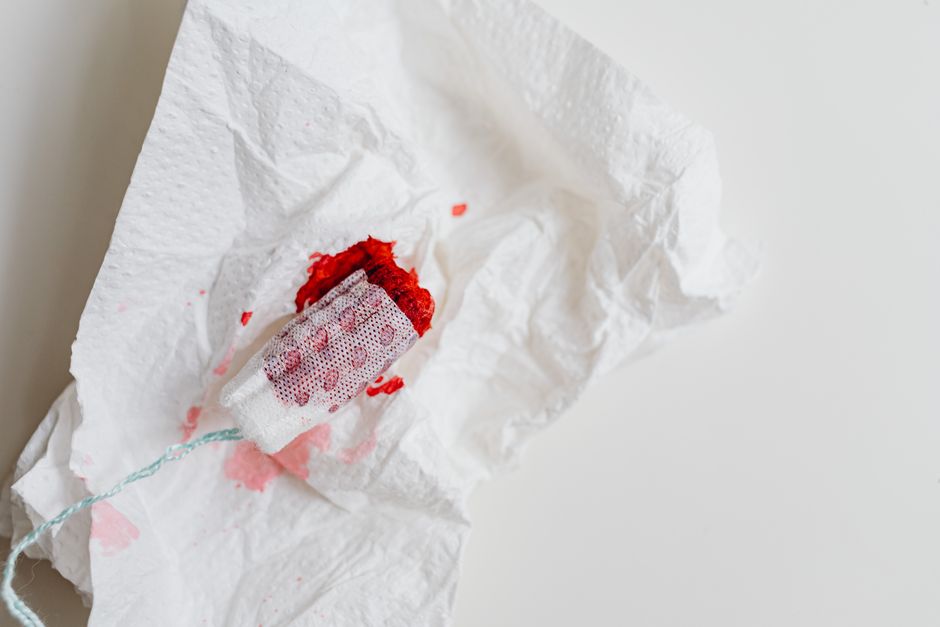
Bleeding after menopause is never something to ignore. Any vaginal bleeding that happens 12 months or more after your last period is considered postmenopausal bleeding, and it always needs a medical evaluation. It does not automatically mean cancer, but it does mean something is happening that a doctor needs to check.
What Counts as Bleeding After Menopause?
Menopause is confirmed when you have gone 12 full months without a menstrual period. Any bleeding after that point — even a small amount, even one time, even light spotting — is called postmenopausal bleeding. This definition comes from established clinical guidelines used by gynecologists.
It is different from perimenopausal bleeding, which happens during the transition years before menopause when periods become irregular. Once you have crossed the 12-month mark, bleeding should not happen again. If it does, it needs attention.
Some people notice bleeding after sex, spotting between bowel movements, or a pinkish discharge. All of these count. The amount does not matter. A single episode of light spotting is evaluated the same way as heavier bleeding.
What Causes Bleeding After Menopause?
The causes of bleeding after menopause range from harmless to serious. Most cases are not cancer, but cancer is the reason doctors evaluate every case carefully. Roughly 90% of postmenopausal bleeding has a non-cancerous cause, though the exact proportion varies by population and how cases are counted.
Here are the main categories:
- Vaginal atrophy (genitourinary syndrome of menopause): This is the most common cause. After menopause, estrogen levels drop. The tissue lining the vagina and urethra becomes thinner, drier, and more fragile. It can bleed easily from friction, sex, or even wiping. This is not dangerous, but it can be uncomfortable and recurrent.
- Endometrial polyps: These are benign growths on the lining of the uterus. They are common and can cause irregular bleeding. Most are not cancerous, but some can be precancerous, so they are usually removed or biopsied.
- Endometrial hyperplasia: This is a thickening of the uterine lining. It is often caused by too much estrogen without enough progesterone. Some types of hyperplasia can progress to cancer if untreated. This is why a biopsy is important.
- Endometrial cancer: This is the most serious cause. It accounts for about 10% of postmenopausal bleeding cases, though estimates vary. The good news is that when caught early, endometrial cancer is highly treatable.
- Hormone replacement therapy (HRT): If you are taking estrogen without progesterone and still have a uterus, this can cause bleeding. Even combined HRT can cause spotting, especially when you first start or change doses.
- Infections: Vaginitis, cervicitis, or endometritis can cause bleeding. These are usually treatable with medication.
- Other causes: Less common causes include cervical polyps, uterine fibroids, blood clotting disorders, and irritation from medications or foreign objects.
One non-obvious point: the amount of bleeding does not tell you how serious the cause is. A tiny spot of blood can be cancer. Heavy bleeding can be a benign polyp. Only testing can tell the difference.
How Is Postmenopausal Bleeding Evaluated?
Doctors follow a standard approach when someone comes in with postmenopausal bleeding. The goal is to rule out cancer and find the exact cause.
The first step is usually a pelvic exam. Your doctor will look at the vagina and cervix to check for visible sources of bleeding, like a polyp or irritation. They may also do a Pap test if you are due for one.
The next step is usually a transvaginal ultrasound. This uses sound waves to measure the thickness of the uterine lining (endometrium). A thin lining is reassuring. A thick lining or an unclear view means more testing is needed.
If the lining is thick or if the ultrasound cannot give a clear answer, your doctor will likely recommend an endometrial biopsy. This involves taking a small sample of tissue from the uterine lining. It can often be done in the office. The sample is sent to a lab to check for cancer, hyperplasia, or other abnormalities.
In some cases, a procedure called hysteroscopy is used. This uses a thin camera to look inside the uterus directly. It can help find polyps or small cancers that a biopsy might miss.
These steps are well established in clinical guidelines. The exact sequence may vary based on your risk factors and your doctor’s judgment.





What Are the Risk Factors for Serious Causes?
Some factors raise the chance that postmenopausal bleeding is caused by cancer or precancer. These include:
- Obesity — fat tissue produces estrogen, which can stimulate the uterine lining
- Diabetes
- High blood pressure
- Polycystic ovary syndrome (PCOS)
- Never having been pregnant
- Late menopause (after age 55)
- Use of tamoxifen, a breast cancer drug that can affect the uterus
- Family history of endometrial or colon cancer (Lynch syndrome)
Having one or more of these does not mean you have cancer. It just means your doctor may move faster to testing. Even without risk factors, all postmenopausal bleeding needs evaluation.
What Happens If the Cause Is Cancer?
If testing finds endometrial cancer, the next steps depend on the stage and type. Most endometrial cancers are found early because they cause bleeding, which prompts evaluation. Early-stage endometrial cancer is often treated with surgery to remove the uterus, fallopian tubes, and ovaries. This is called a hysterectomy.
Depending on the stage and grade, additional treatment may include radiation, chemotherapy, or hormone therapy. Five-year survival rates for early-stage endometrial cancer are high, but outcomes drop for later stages. This is why bleeding after menopause should never be watched and waited on.
It is important to know that not all uterine cancers are the same. Some are more aggressive than others. Your doctor will explain your specific type and stage if cancer is found.
What Should You Do If You Notice Bleeding?
Call your doctor. Do not wait to see if it happens again. Do not assume it is just dryness or a one-time thing. Even if the bleeding stops on its own, the underlying cause is still there.
When you call, tell the receptionist you are postmenopausal and having bleeding. This usually gets you an appointment quickly. Bring a list of your medications, including any hormones, and note when the bleeding started and how heavy it was.
Do not use tampons or douches before your appointment. These can irritate tissue and make it harder for your doctor to see the source of bleeding.
If you are on hormone therapy, do not stop it on your own. Call your doctor first. They may adjust your dose or change the type of hormone you take.
Can Bleeding After Menopause Be Normal?
No. Bleeding after menopause is not normal. It is a symptom that always has a cause. That cause may be harmless, like vaginal atrophy, or it may be serious, like cancer. But it is never something to dismiss.
Some people are told that a little spotting is normal with hormone replacement therapy. That is partly true — spotting can happen when you first start HRT or change doses. But even then, it should be reported to your doctor. They may want to check your lining to make sure everything is fine.
If you are not on hormones and you have any bleeding, that is a red flag. Get it checked.
Frequently Asked Questions
How common is bleeding after menopause?
Postmenopausal bleeding affects a small but significant number of women, and it is one of the most common reasons for a gynecology visit after menopause. About 90% of cases have a non-cancerous cause, but all cases need evaluation.
Can bleeding after menopause be caused by stress?
No. Stress does not cause postmenopausal bleeding. If you are bleeding, there is a physical cause that needs to be identified by a doctor.
What is the most common cause of postmenopausal bleeding?
Vaginal atrophy, also called genitourinary syndrome of menopause, is the most common cause. It happens because lower estrogen levels make vaginal tissue thin and fragile, so it bleeds easily.
How long should I wait before seeing a doctor for postmenopausal bleeding?
Do not wait. Call your doctor as soon as you notice any bleeding after menopause, even if it is light or stops on its own.
