
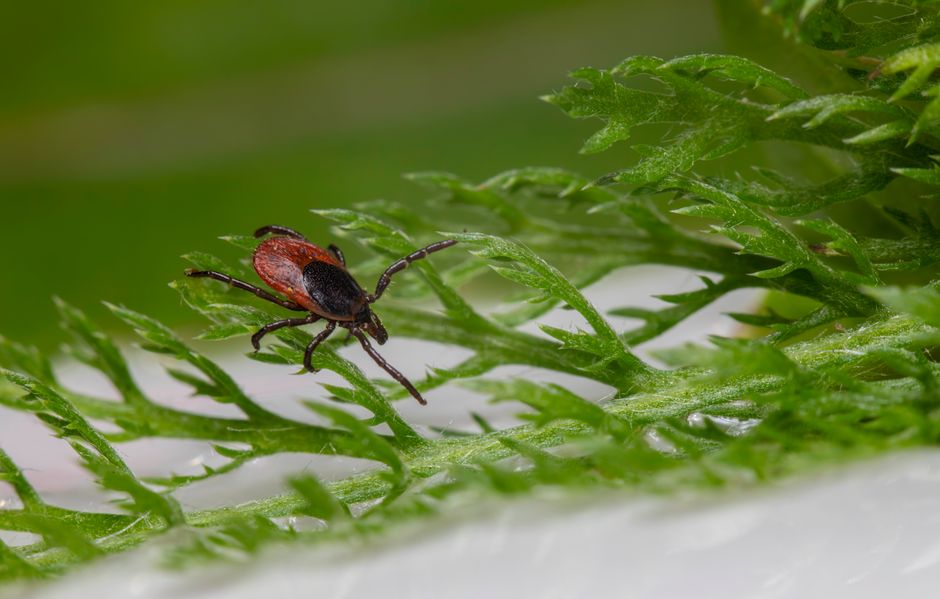
Bed bugs are small, flat, reddish-brown insects that feed on human blood. They are not a sign of a dirty home, and they can show up in the cleanest houses and hotels. The most common cause of bed bugs is accidental transport — they hitchhike on luggage, clothing, used furniture, and personal items. Understanding how they spread is the first step in avoiding them. This article explains what causes bed bugs, where they hide, and the most effective ways to keep them out of your home.
What Causes Bed Bugs And How To Avoid Them?
Bed bugs are excellent hitchhikers. They do not fly or jump. They crawl. A bed bug can move from one place to another by climbing into a suitcase, a purse, a backpack, or the folds of a jacket. Once inside your home, they seek out cracks and crevices near where people sleep.
The primary cause of a bed bug infestation is bringing an item into your home that already has bed bugs on it. This happens most often after travel. Hotel rooms, airplanes, trains, and ride-share vehicles all see heavy foot traffic. A bed bug can crawl into your luggage at any of these places.
Used furniture is another major source. Mattresses, box springs, sofas, and chairs picked up from the curb, a garage sale, or an online marketplace may contain bed bugs. Even a piece of furniture that looks clean can harbor eggs or live bugs in its seams and joints.
Visitors can also bring them in. A guest who has bed bugs in their own home may unknowingly carry a few in their bag or coat. Once they sit on your couch or sleep in your guest room, the bugs have a new territory to explore.
How Do Bed Bugs Spread From Room To Room?
Bed bugs spread within a home slowly but steadily. They are nocturnal and prefer to stay hidden during the day. At night, they crawl out to feed on sleeping humans. After feeding, they retreat to their hiding spots.
They can move between rooms through wall voids, electrical outlets, baseboards, and gaps under doors. In apartment buildings, they can travel through shared walls and plumbing chases. This is why a single infested unit can quickly lead to infestations in neighboring apartments.
Bed bugs do not spread disease. Research has not shown that they transmit any infectious pathogens to humans. The primary health impact is the itching from bites, the disruption of sleep, and the psychological stress of dealing with an infestation.
Where Do Bed Bugs Hide?
Bed bugs hide in places that are dark, tight, and close to their food source — you. The name is accurate: they prefer the bed area. But they are not limited to beds.
Common hiding spots include:
- Mattress seams and tufts
- Box spring edges and corners
- Bed frame joints and headboard cracks
- Baseboards and wall molding gaps
- Electrical outlet plates and light switches
- Luggage, backpacks, and purses
- Upholstered furniture and curtain folds
- Closets and dresser drawers
They are flat, which allows them to squeeze into spaces as thin as a credit card. A thorough inspection requires looking in all of these areas. Flashlights and a credit card or thin scraper are useful tools for checking seams and crevices.





How To Check For Bed Bugs Before They Settle In
Checking for bed bugs is a practical skill. The best time to check is before you bring anything into your home. This means checking hotel rooms when you travel and checking used furniture before you buy it.
In a hotel room, start by pulling back the sheets and inspecting the mattress seams and corners. Look for small rust-colored stains, which are digested blood spots. Look for tiny pale eggs, shed skins, or the bugs themselves. Adult bed bugs are about the size of an apple seed. Check the headboard, especially the screws and joints, and the box spring edges.
For used furniture, inspect every seam, cushion zipper, and wooden joint. Use a flashlight. If you see any sign of bugs or stains, do not bring the item inside. Some people choose to treat used furniture preventively before bringing it in, but the safest approach is to avoid items that show any evidence of infestation.
When you return from a trip, do not bring your suitcase directly into your bedroom. Inspect it in the garage or entryway. Wash all clothing from the trip in hot water and dry on high heat. Heat kills bed bugs at all life stages.
Do Bed Bug Bites Look Like Other Insect Bites?
Bed bug bites are often confused with mosquito bites, flea bites, or even allergic reactions. The bites themselves are small, red, itchy welts. They often appear in a line or cluster because the bug feeds, moves a few centimeters, and feeds again.
However, bite appearance varies from person to person. Some people develop large, swollen welts. Others show no visible reaction at all. You cannot diagnose a bed bug infestation from bites alone. The only reliable confirmation is finding the bugs, their shed skins, or their fecal stains in your environment.
If you suspect bed bugs, do not rely on bite marks. Conduct a physical inspection of your sleeping area and furniture. If you find evidence, act quickly. Early detection makes treatment significantly easier.
What Is The Most Effective Way To Get Rid Of Bed Bugs?
Bed bug elimination is difficult. It is not a do-it-yourself project in most cases. Professional pest control is the most reliable approach.
Professional exterminators use a combination of methods. These include targeted insecticide applications, vacuuming, steam treatment, and in some cases, whole-room heat treatment. Heat treatment raises the room temperature to a level that kills all life stages of bed bugs, including eggs. This is effective but requires specialized equipment and careful preparation.
If you attempt to treat an infestation yourself, understand the limits. Over-the-counter sprays are often ineffective because bed bugs hide in cracks where sprays cannot reach. Foggers, or bug bombs, are not effective against bed bugs. They do not penetrate the deep cracks where bed bugs hide.
Some non-chemical steps help. Wash all bedding and clothing in hot water and dry on high heat. Vacuum thoroughly, especially along baseboards and mattress seams, and dispose of the vacuum bag immediately in a sealed plastic bag. Encase your mattress and box spring in bed bug-proof covers. These steps reduce the population and make professional treatment more effective, but they rarely eliminate an infestation alone.
Can Bed Bugs Survive In Cold Weather?
Bed bugs can survive cold temperatures, but extreme cold can kill them. Research has shown that bed bugs die when exposed to temperatures below freezing for extended periods. However, the exact temperature and duration needed depend on the life stage and how quickly the temperature drops.
Putting infested items in a freezer can work, but it is tricky. The freezer must reach a temperature low enough, and the items must stay in long enough. Home freezers are often not cold enough or consistent enough to guarantee success. Heat is a more reliable method for killing bed bugs.
How To Prevent Bed Bugs After Treatment
Prevention after treatment is about vigilance. Bed bugs can be reintroduced at any time. The same habits that prevent an initial infestation prevent a recurrence.
Inspect hotel rooms before settling in. Inspect used furniture before bringing it home. Keep your luggage off the floor and bed when traveling. Use luggage racks in hotels. When you return home, wash and dry your travel clothes on high heat immediately.
Reduce clutter in your home. Clutter gives bed bugs more places to hide and makes inspections harder. Seal cracks and gaps in walls and baseboards. Install outlet covers. These measures do not guarantee prevention, but they reduce the chances of an infestation taking hold.
Frequently Asked Questions
Can bed bugs live in your hair?
No, bed bugs do not live in human hair. They prefer to hide in mattresses, furniture, and cracks near where people sleep, not on the body.
Do bed bugs only come out at night?
Bed bugs are primarily nocturnal, but they will feed during the day if they are hungry and a host is available. They are most active in the hours before dawn.
Can you get bed bugs from a person?
Bed bugs do not live on people, so you cannot catch them directly from person-to-person contact. They spread through items like clothing, bags, and furniture that carry the bugs from one location to another.
How long can bed bugs live without feeding?
Adult bed bugs can survive several months without a blood meal under cool conditions. In warmer conditions, they need to feed more frequently to survive and reproduce.
