
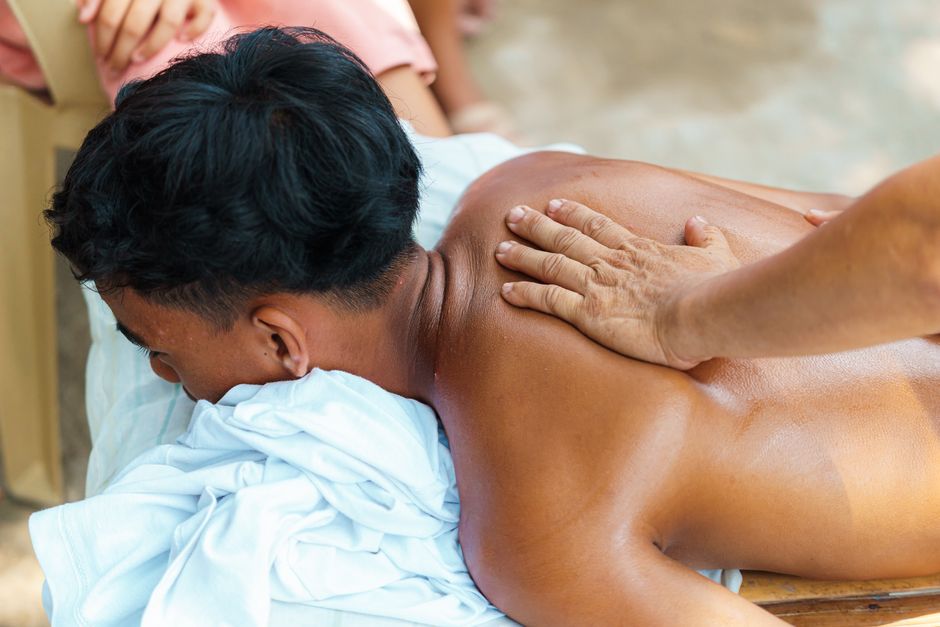
Poor circulation is rarely a condition on its own. It is almost always a symptom of something else going on in the body. The most common causes are conditions that narrow or stiffen your blood vessels, like peripheral artery disease, or issues that make your blood thicker or harder to pump, such as diabetes or heart failure. When your arteries narrow or your heart weakens, blood moves more slowly, and your extremities — feet, legs, and hands — feel it first.
What Causes Bad Blood Circulation?
Blood moves through your body because your heart pumps it through a network of arteries, veins, and capillaries. When that system works well, oxygen and nutrients reach every tissue. When it does not, circulation slows down.
The single most common cause is peripheral artery disease (PAD). PAD happens when fatty plaque builds up inside artery walls — a process called atherosclerosis. The arteries narrow, and less blood gets through. This affects roughly 6.5 million Americans over age 40, and many do not know they have it.
Other major causes include:
- Diabetes — High blood sugar damages blood vessel walls over time, making them stiff and narrow.
- High blood pressure — Constant pressure weakens and scars artery walls, making them less flexible.
- High cholesterol — Excess LDL cholesterol contributes directly to plaque buildup.
- Smoking — Nicotine constricts blood vessels, and chemicals in tobacco damage their inner lining.
- Obesity — Excess weight increases inflammation and puts added strain on the heart and vessels.
- Blood clots — A clot can partially or fully block a vessel, cutting off blood flow suddenly.
Age matters too. Blood vessels naturally lose some elasticity as you get older, especially after age 50. That is normal aging, not disease. The problem is when age combines with the risk factors above.
How Do You Know If Your Circulation Is Bad?
The classic symptom is claudication — a cramping pain in your calf, thigh, or buttock that appears during walking and disappears with rest. This happens because your leg muscles need more oxygen during activity, but narrowed arteries cannot deliver enough.
Other common signs include:
- Numbness or tingling in the feet or hands
- Cold feet or hands that stay cold even in warm rooms
- Skin that looks pale or bluish
- Slow-healing sores on the feet or legs
- Weak or absent pulse in the feet
- Shiny, tight skin or loss of hair on the legs
These symptoms usually develop gradually. If they appear suddenly, or if one leg becomes painful, pale, and cold without warning, that is a medical emergency. It can mean a large clot has blocked a major artery, and you need immediate care.
It is worth noting that many people with mild circulation problems have no symptoms at all. That is why PAD is often discovered during a routine checkup rather than because a patient complained of pain.
What Does Poor Circulation Do to Your Body?
When blood flow slows, tissues do not get the oxygen they need. This is called ischemia. Mild ischemia causes discomfort and coldness. Severe ischemia causes tissue death.
The legs and feet are most vulnerable because they are farthest from the heart. Gravity works against blood returning upward through the veins, and the arteries in the legs are common sites for plaque buildup.
Chronic poor circulation also affects wound healing. White blood cells and nutrients travel through the bloodstream, so when flow is reduced, cuts and sores take longer to close. This is especially dangerous for people with diabetes, where even a small foot blister can become a serious infection.
In severe cases, advanced PAD can lead to critical limb ischemia. This is a condition where resting leg pain, non-healing ulcers, or gangrene develop. Without treatment, it can lead to amputation. This is rare, but it is the reason doctors take circulation problems seriously rather than dismissing them as cold feet.
Poor circulation can also affect organs. Reduced blood flow to the brain can contribute to dizziness or memory problems. Reduced flow to the kidneys can worsen kidney function over time. These effects are less visible than leg pain but equally important.



Can You Improve Circulation on Your Own?
Yes, in many cases. The same lifestyle changes that prevent circulation problems can also improve them.
Walking is the most effective single step. Regular walking — even short walks several times a day — encourages your body to build collateral blood vessels. These are small bypass routes around narrowed arteries. Studies consistently show that supervised walking programs improve walking distance and quality of life in people with PAD.
Other changes that help:
- Stop smoking. Quitting improves blood vessel function within weeks. This is the single most impactful change for circulation.
- Control blood sugar. Keeping glucose in a healthy range slows further vessel damage.
- Lower blood pressure and cholesterol. Medications and diet both play a role here.
- Elevate your legs. When sitting, raising your legs helps blood return toward the heart.
- Wear compression stockings. These help primarily with venous circulation, not arterial. They are more useful for varicose veins and swelling than for PAD.
- Stay hydrated. Dehydration thickens blood slightly, making it harder to push through narrow vessels.
Some people try supplements like vitamin B3, magnesium, or ginkgo biloba for circulation. The evidence is limited. No large, rigorous trials have confirmed that any supplement meaningfully improves arterial circulation in people with PAD. If you want to try one, talk to your doctor first, especially if you take blood thinners.
When Is Poor Circulation a Medical Emergency?
Sudden loss of circulation is different from gradual decline. If you experience any of the following, get emergency care immediately:
- Sudden severe pain in a limb
- A limb that turns pale, blue, or cold within minutes or hours
- Inability to move a limb or feel it
- Chest pain with shortness of breath, which can signal blocked heart circulation
These symptoms can indicate a sudden arterial blockage. Time matters. If blood flow is not restored within a few hours, tissue can die permanently.
Gradual symptoms are less urgent but still deserve medical attention. If you have leg pain when walking that goes away with rest, make an appointment. A simple test called an ankle-brachial index compares blood pressure in your ankle to blood pressure in your arm. It takes about 10 minutes and can reliably detect PAD.
How Do Doctors Treat Bad Circulation?
Treatment depends on the cause and severity.
For mild to moderate PAD, doctors typically start with lifestyle changes and medication. Statins lower cholesterol and stabilize plaque. Blood pressure medications reduce vessel damage. Antiplatelet drugs like aspirin or clopidogrel reduce clot risk. These medications do not cure PAD, but they slow its progression and reduce the risk of heart attack and stroke.
For more severe blockages, procedures may be needed:
- Angioplasty and stenting — A balloon opens the narrowed artery, and a small mesh tube holds it open.
- Atherectomy — A device shaves or vaporizes plaque from inside the artery.
- Bypass surgery — A healthy vessel from another part of the body is used to route blood around the blockage.
These procedures restore blood flow, but they do not address the underlying disease. Without lifestyle changes, plaque can build up again in the treated vessel or elsewhere.
One common misconception is that poor circulation always needs surgery. It does not. Most people with PAD never need a procedure. Walking programs and medications control symptoms well for many patients.
Does Poor Circulation Affect Your Brain or Heart?
Yes. The same atherosclerosis that narrows leg arteries also affects arteries in the heart and brain.
When coronary arteries narrow, blood flow to the heart muscle is reduced. This causes angina — chest pain or pressure during exertion. If a plaque ruptures and a clot forms, it causes a heart attack.
When carotid arteries in the neck narrow, blood flow to the brain is reduced. This can cause transient ischemic attacks — sometimes called mini-strokes — or full strokes.
This is why PAD matters beyond the legs. People with PAD have a significantly higher risk of heart attack and stroke. In fact, PAD is considered a marker of widespread atherosclerosis. If you have it in your legs, you likely have it elsewhere. Your doctor should evaluate your heart and brain circulation as part of your overall care.
Frequently Asked Questions
Can poor circulation be reversed?
Mild to moderate circulation problems can improve significantly with lifestyle changes and medication, but the underlying plaque buildup is not fully reversible. Walking programs and risk factor control can restore functional blood flow in many people.
What is the fastest way to improve blood circulation?
Walking is the fastest and most evidence-based way to improve leg circulation. Even 10 to 15 minutes of walking several times a day can stimulate collateral blood vessel growth over several weeks.
Does drinking water help blood circulation?
Staying hydrated helps maintain normal blood volume and viscosity, which supports circulation, but water alone cannot fix narrowed arteries. It is helpful for overall cardiovascular health, not a treatment for PAD.
Are cold hands and feet always a sign of poor circulation?
No. Cold hands and feet are common in healthy people, especially in cool environments or during stress. Persistent coldness combined with numbness, pain, or skin color changes is more concerning and worth a medical evaluation.
