
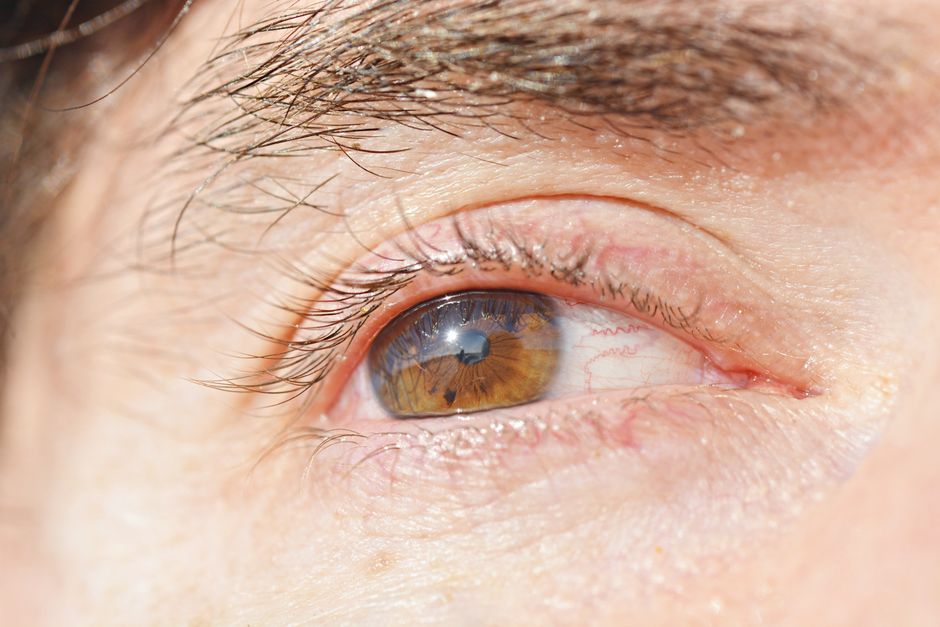
The shape of your pupil is something you rarely think about. It is usually a perfect circle, a black opening in the center of your iris that lets light reach the back of your eye. When that circle becomes an oval, it is a distinct physical change that warrants attention. An oval pupil occurs when the normal circular opening of the iris becomes elongated or stretched into an elliptical shape. This is not a normal variation. It is typically a sign that something is pressing on the iris, affecting the muscles that control pupil size, or interfering with the eye’s internal pressure. While some causes are benign and temporary, others are serious medical emergencies that require immediate evaluation.
What Causes An Oval Pupil And What Does It Mean?
An oval pupil is a clinical finding that doctors take seriously. It means the iris is not contracting or relaxing symmetrically. The iris is a muscular structure, and any disruption to its blood supply, nerve supply, or physical structure can distort its shape. The most common cause of an oval pupil is a condition called iris prolapse, which happens after eye trauma or surgery. When the iris bulges forward through a weak spot in the cornea or sclera, it becomes stretched and no longer forms a perfect circle.
Another major cause is increased pressure inside the eye, known as ocular hypertension or acute angle-closure glaucoma. When pressure builds rapidly, the iris is pushed forward and can stick to the cornea. This adhesion distorts the pupil into an oval shape. This is a medical emergency that can permanently damage vision if not treated promptly.
Other causes include inflammation inside the eye (uveitis), certain medications that affect pupil muscles, and neurological conditions that disrupt the nerve signals controlling the iris. In some cases, an oval pupil appears briefly after eye surgery and resolves on its own. In other cases, it signals a stroke or an aneurysm pressing on the nerves that control eye movement.
How Does The Pupil Normally Work?
To understand why an oval pupil is significant, you need to understand how the pupil works. The iris contains two sets of muscles. The sphincter pupillae is a ring of muscle that contracts to make the pupil smaller. The dilator pupillae is a radial muscle that pulls the pupil open to make it larger. These muscles work together automatically in response to light levels, emotional states, and certain medications.
In bright light, the sphincter contracts and the pupil becomes small. In dim light, the dilator pulls the iris outward and the pupil becomes large. This process is controlled by the autonomic nervous system, which operates without conscious effort. Both muscles must work evenly for the pupil to remain circular. If one part of the iris is damaged, paralyzed, or physically blocked, the pupil cannot stay round.
The pupil also changes shape slightly when you shift your gaze from a distant object to something close. This is called the pupillary light reflex and accommodation response. But these normal changes keep the pupil round. An oval shape is never part of the normal physiological response.
What Eye Conditions Cause An Oval Pupil?
Several eye-specific conditions can produce an oval pupil. The most common is iris prolapse following trauma. A sharp object, a blunt force injury, or a surgical complication can create a small opening in the eye wall. The iris, which sits just behind the cornea, can herniate through this opening. The result is a pupil that appears elongated or teardrop-shaped. This is often called a “D-shaped” or oval pupil depending on how much iris tissue has moved.
Acute angle-closure glaucoma is another well-documented cause. In this condition, the drainage channels of the eye become blocked, and fluid builds up rapidly. The pressure inside the eye rises quickly, often to dangerous levels. The iris is pushed forward and may adhere to the cornea. This produces an oval pupil, along with severe eye pain, headache, nausea, and blurred vision. This condition requires emergency treatment to lower eye pressure and prevent permanent vision loss.
Uveitis is inflammation of the middle layer of the eye. When the iris becomes inflamed, it can form adhesions to the lens behind it. These adhesions, called posterior synechiae, can pull the iris into an irregular shape. The pupil may appear oval or notched. Uveitis can be caused by infections, autoimmune diseases, or can occur without a clear cause.





Can Neurological Problems Cause An Oval Pupil?
Yes. The nerves that control the pupil originate in the brain and travel down through the neck and into the eye. Any disruption along this pathway can affect pupil shape and reactivity. An oval pupil can be a sign of midbrain dysfunction, which occurs when the part of the brainstem that coordinates pupil responses is damaged. This can happen during a stroke, after head trauma, or due to a tumor pressing on the brainstem.
One specific pattern is called a midbrain corectopia. In this condition, the pupil is pulled toward the side of the brain injury. The pupil becomes oval and the long axis points in the direction of the lesion. This is a serious neurological sign that doctors look for in unconscious patients. It suggests increased pressure inside the skull, which can compress the brainstem. This is a life-threatening situation that requires immediate medical intervention.
However, not every oval pupil is neurological. If the pupil still reacts to light and the person has no other neurological symptoms, an eye-specific cause is more likely. The key distinction is whether other signs of brain dysfunction are present, such as confusion, weakness, headache, or loss of consciousness.
What Should You Do If You Notice An Oval Pupil?
If you notice that your pupil or someone else’s pupil is oval-shaped, seek medical attention promptly. The urgency depends on the accompanying symptoms. If the oval pupil is accompanied by severe eye pain, vision loss, nausea, or vomiting, go to an emergency room immediately. These symptoms suggest acute angle-closure glaucoma, which can cause permanent blindness within hours if untreated.
If the oval pupil follows an eye injury, do not rub the eye and do not apply pressure. Cover the eye with a protective shield or a paper cup taped in place, and get to an eye doctor or emergency room right away. Rubbing or pressing on an injured eye can worsen an iris prolapse and cause more tissue to herniate.
If the oval pupil appears without pain or injury but is accompanied by headache, dizziness, or weakness on one side of the body, this could indicate a neurological problem. Go to an emergency department for evaluation. A CT scan or MRI may be needed to rule out bleeding, stroke, or increased pressure in the brain.
How Do Doctors Diagnose The Cause?
Doctors use a systematic approach to determine why a pupil is oval. The first step is a slit-lamp examination. This is a specialized microscope that allows the doctor to see the structures of the eye in detail. The doctor can identify iris adhesions, signs of trauma, or evidence of inflammation. They can also measure the pressure inside the eye using a device called a tonometer.
The doctor will also check the pupil’s reaction to light. A normal pupil constricts when light is shined into it. An oval pupil that still reacts to light is more likely to be caused by a local eye problem. An oval pupil that does not react to light, or reacts abnormally, may indicate nerve damage. The doctor will also examine the other eye for comparison. Pupils are typically symmetric, so a difference in shape or reactivity between the two eyes is a significant finding.
If the eye examination is normal but the pupil remains oval, the doctor may order imaging studies of the brain. This is especially important if the patient has any neurological symptoms. A CT scan or MRI can identify bleeding, tumors, or signs of increased intracranial pressure.
What Is The Treatment For An Oval Pupil?
Treatment depends entirely on the underlying cause. There is no single treatment for an oval pupil because it is a symptom, not a disease. For iris prolapse, surgery may be needed to reposition the iris and repair the defect in the eye wall. If the prolapse is small and recent, the doctor may try medical management first, including pupil-dilating drops to reduce iris movement and allow the tissue to settle back into place.
For acute angle-closure glaucoma, the treatment is urgent. Doctors use medications to lower eye pressure quickly, including intravenous drugs and topical eye drops. A procedure called laser iridotomy may be performed to create a small hole in the iris, allowing fluid to drain and relieving the pressure. This is often done as an emergency procedure to save vision.
For uveitis, treatment focuses on reducing inflammation. Steroid eye drops are typically used, along with pupil-dilating drops to prevent adhesions from forming. The underlying cause of the inflammation is also treated if one is identified. For neurological causes, the treatment targets the brain condition itself. This may involve surgery to relieve pressure on the brain, medications to manage stroke risk, or other interventions depending on the specific diagnosis.
Can An Oval Pupil Resolve On Its Own?
In some cases, yes. A temporary oval pupil can occur after eye surgery, particularly cataract surgery or corneal transplant surgery. This usually resolves within a few days as the eye heals and any inflammation subsides. Certain medications, such as those used during eye examinations, can also cause temporary pupil distortion. These effects wear off as the medication is metabolized.
However, you should never assume an oval pupil will resolve on its own. The risk of waiting is too high. If the cause is glaucoma, increased pressure can damage the optic nerve permanently in a matter of hours. If the cause is neurological, delayed treatment can have catastrophic consequences. The safe approach is always to have an oval pupil evaluated by a medical professional, even if you feel fine otherwise.
Frequently Asked Questions
Is an oval pupil an emergency?
It can be. If it is accompanied by eye pain, vision loss, nausea, or headache, it is a medical emergency. If it appears without symptoms after a known eye injury or surgery, you still need prompt evaluation but the urgency may be slightly lower.
Can stress cause an oval pupil?
No. Stress can change pupil size, making them larger or smaller, but it does not change the shape. The pupil remains round even under extreme emotional or physical stress.
What does it mean if only one pupil is oval?
It means the cause is likely local to that eye rather than systemic. Conditions like trauma, glaucoma, or uveitis typically affect one eye. A neurological cause can also affect one pupil if the nerve damage is on one side of the brain.
Can an oval pupil be a sign of a stroke?
Yes, in some cases. A stroke or other brain injury that affects the brainstem can cause the pupil to become oval. This is usually accompanied by other symptoms like weakness, confusion, or difficulty speaking, but not always.
